UEFA Champions League Standings: A Deep Dive into Group Stage Dynamics
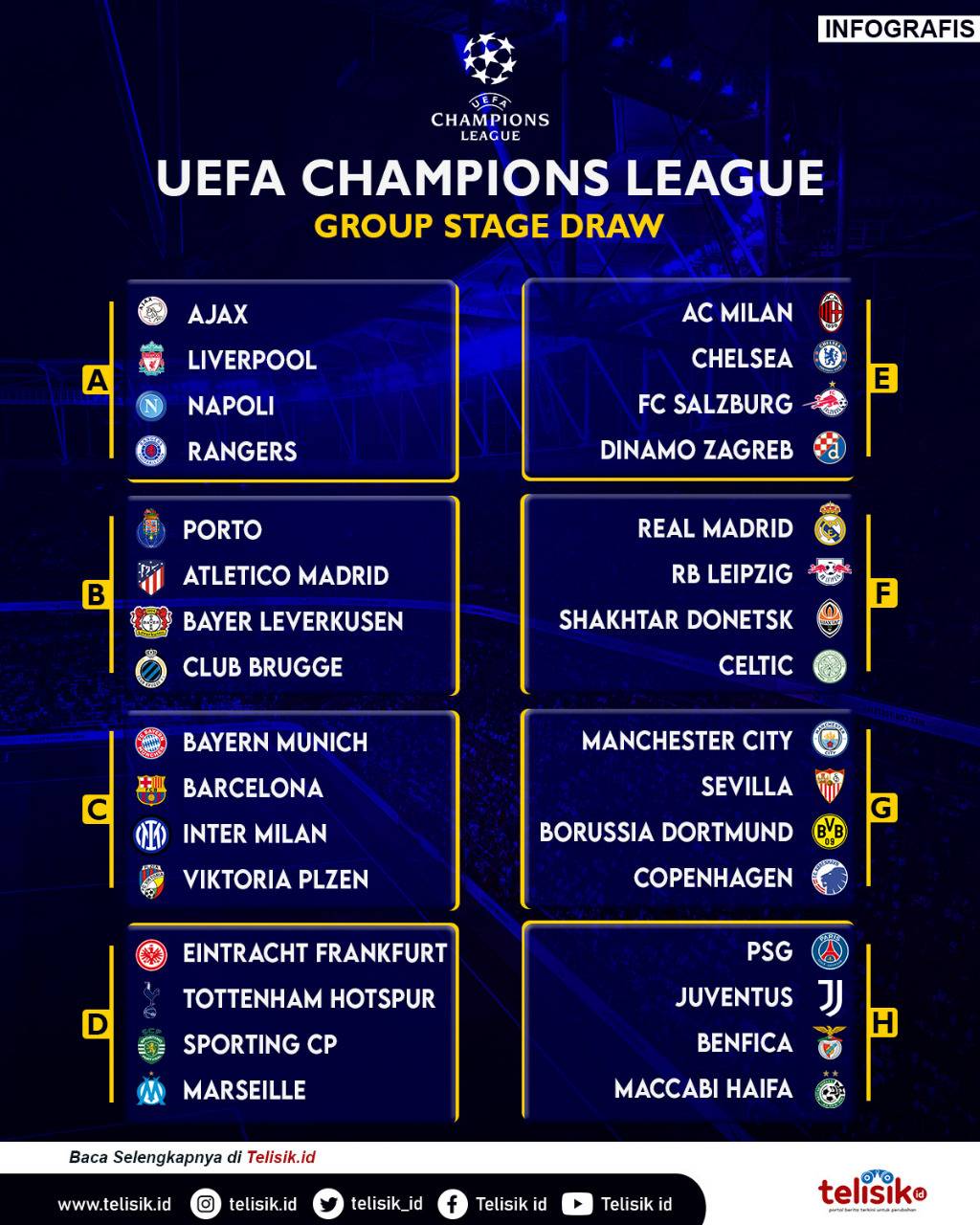
The UEFA Champions League group stage is where legends are made and dreams are either realized or shattered. Beyond the dazzling goals and captivating plays, lies a complex web of standings, points, and tie-breakers that determine which teams advance to the knockout rounds. This in-depth analysis will dissect the intricacies of the Champions League group stage standings, offering insights into team strategies, key matches, and the pathways to European glory.
Understanding the Champions League standings goes beyond simply looking at the points table. It involves analyzing various factors such as goal difference, head-to-head records, and the strength of each team’s remaining opponents. Let’s explore these elements to gain a comprehensive understanding of how teams navigate this crucial phase of the competition.
The group stage consists of eight groups, each containing four teams. Teams play each other home and away, accumulating points based on their performance: three points for a win, one for a draw, and zero for a loss. At the end of the group stage, the top two teams from each group advance to the knockout phase, while the third-placed teams enter the UEFA Europa League knockout round play-offs.
The primary criterion for determining a team’s position in the group is the number of points accumulated. However, when two or more teams are tied on points, several tie-breaking criteria come into play. These rules ensure that the most deserving teams advance, even when they have identical point totals.
Head-to-Head Points: If two or more teams are tied on points, the first tie-breaker is the number of points obtained in the matches among the teams in question.
Head-to-Head Goal Difference: If teams remain tied after considering head-to-head points, the next criterion is the goal difference from the matches played among the tied teams.
Head-to-Head Goals Scored: If teams are still tied, the tie-breaker is the number of goals scored in the matches among the tied teams.
Head-to-Head Away Goals Scored: Goals scored away from home in matches among the tied teams can also be a deciding factor.
Overall Goal Difference: If the tie persists after applying the head-to-head criteria, the overall goal difference in all group matches is considered.
Overall Goals Scored: If teams are still tied, the total number of goals scored in all group matches is the next tie-breaker.
Overall Away Goals Scored: Similar to head-to-head away goals, the total number of goals scored away from home in all group matches may break the tie.
Overall Wins: The number of wins across all group matches is also considered.
Overall Away Wins: The number of wins away from home across all group matches is also considered.
Disciplinary Points: If teams are still level, a lower disciplinary points total based on yellow and red cards received during the group stage is used.
Coefficient: Finally, if teams are still tied, the club coefficient is used as a last resort, based on past performance in European competitions.
Understanding these tie-breaking rules is essential for predicting how teams will progress through the group stage. It adds a layer of complexity and excitement to every match, as even a single goal can significantly impact a team’s chances of advancing.
Each team approaches the group stage with a unique strategy, influenced by their squad strength, tactical preferences, and the perceived difficulty of their group. Some teams prioritize securing early wins to build momentum, while others adopt a more cautious approach, focusing on avoiding losses and grinding out draws.
Defensive Solidity: Teams with strong defensive foundations often prioritize keeping clean sheets and relying on counter-attacks to secure victories. This approach can be particularly effective against stronger opponents.
Attacking Flair: Other teams focus on unleashing their attacking prowess, aiming to outscore their opponents through relentless pressure and creative play. This strategy can be risky but highly rewarding if executed effectively.
Tactical Flexibility: The most successful teams often demonstrate tactical flexibility, adapting their approach based on the opponent and the match situation. This allows them to exploit weaknesses and maximize their chances of success.
The group stage is filled with crucial matches that can significantly impact the standings. These matches often involve teams vying for qualification or teams with historical rivalries. The outcomes of these games can create dramatic shifts in the group dynamics.
Head-to-Head Clashes: Matches between teams expected to contend for the top spots are particularly significant. These games can provide a direct advantage and psychological boost to the winning team.
Underdog Battles: Matches against perceived underdogs can also be crucial, as dropped points against weaker opponents can prove costly in the long run. Teams must remain focused and avoid complacency in these games.
Late-Stage Deciders: As the group stage progresses, matches become increasingly important as teams fight for their survival. These late-stage deciders often feature intense pressure and dramatic moments.
Predicting the outcome of the Champions League group stage is a challenging but rewarding exercise. By analyzing team form, squad strength, and historical data, it’s possible to make informed predictions about which teams are likely to advance.
Assessing Team Form: Recent performances in domestic leagues and other competitions provide valuable insights into a team’s current form and confidence levels.
Evaluating Squad Strength: The presence of key players, the depth of the squad, and the absence of injuries or suspensions can significantly impact a team’s chances of success.
Analyzing Historical Data: Past performances in the Champions League and head-to-head records can provide valuable insights into a team’s ability to compete at the highest level.
Several teams consistently perform well in the Champions League group stage, demonstrating a combination of tactical prowess, squad depth, and experience. These teams often have a clear understanding of what it takes to navigate the challenges of the competition.
Real Madrid: With a record number of Champions League titles, Real Madrid has consistently dominated the group stage, showcasing their attacking flair and tactical flexibility.
Bayern Munich: The German giants have a reputation for ruthlessly dispatching their opponents in the group stage, demonstrating their clinical finishing and defensive solidity.
Barcelona: Known for their possession-based style of play and attacking talent, Barcelona has often cruised through the group stage, showcasing their ability to control games and create scoring opportunities.
Manchester City: Under the guidance of Pep Guardiola, Manchester City has become a formidable force in the Champions League, demonstrating their tactical innovation and attacking firepower.
The UEFA Champions League group stage is a captivating spectacle that showcases the best of European football. Understanding the standings, tie-breaking rules, and team strategies provides a deeper appreciation for the complexities and drama of this prestigious competition. As teams battle for a place in the knockout rounds, every match becomes a crucial step on the road to European glory. Stay informed, analyze the dynamics, and enjoy the journey as the Champions League unfolds!
In conclusion, mastering the intricacies of UEFA Champions League standings requires a comprehensive understanding of tie-breaking criteria, strategic team approaches, and the significance of key matches. By analyzing team form, squad strength, and historical data, fans and analysts alike can make informed predictions and appreciate the full depth of this prestigious competition. The Champions League group stage is more than just a series of games; it’s a complex chess match where every move counts, and the ultimate goal is European glory.

Benfica’s Champions League Record: Glory, The Curse, and The Future

Champions League Scores Unpacked: Your Ultimate Hub for Results & In-Depth Analysis

The Special One’s Immortal Touch: How Mourinho Forever Reshaped the Champions League
About The Author
