UCL Standings Turned Upside Down: Analyzing the Shock Results Rocking European Football
The iconic anthem swells, the stars align on the pitch, and the world tunes in. The UEFA Champions League is sold as the pinnacle of club football, a showcase for the elite. Yet, beneath the veneer of super clubs and global superstars lies the competition’s true magic: its capacity for breathtaking, unpredictable chaos. The group stage, often dismissed as a mere formality, is where giants are humbled and legends are born. This season is no exception, with shock results sending tremors through the UCL standings and reminding us why this is the greatest tournament on Earth.
The Illusion of Invincibility: Why Super Clubs Are Never Safe
On paper, the group stage draw often looks predictable. You see a pot one titan paired with teams from smaller leagues and immediately pencil them in for the top spot. But football isn’t played on paper. The modern game’s congested fixture list, the pressure of domestic title races, and the sheer intensity of playing every three days create the perfect storm for an upset.
Even the most dominant teams, like Manchester City, Real Madrid, or Bayern Munich, are vulnerable. A single moment of complacency, a defensive lapse, or a red card can flip a seemingly straightforward match on its head. These are not just isolated incidents; they are a recurring theme that adds a vital layer of jeopardy to the early stages of the competition.
The narrative of David vs. Goliath is the lifeblood of football. When a smaller club travels to a cathedral of football like the Bernabéu or Anfield and comes away with a result, it captures the imagination of fans globally. It’s a testament to the fact that with tactical discipline, unwavering belief, and a little bit of luck, anything is possible.
Deep Dive: Anatomy of a Champions League Upset
Let’s dissect a classic shock result. Imagine a scenario: a seasoned European giant, boasting a squad worth hundreds of millions, hosts a champion from a lesser-known league. The home team dominates possession, racks up shots, but fails to find the breakthrough. The visitors defend with heroic intensity, their goalkeeper putting on a career-defining performance.
Tactical Masterclass or Fortuitous Fluke?
Often, it’s a combination of both. The underdog’s manager typically devises a brilliant tactical plan. This might involve a low block, frustrating the opponent’s creative players and denying them space in behind. The key is the transition. When they win the ball back, they don’t just clear it; they launch lightning-fast counter-attacks, targeting a specific weakness in the giant’s defense.
While the tactics are crucial, you can’t discount the element of fortune. A deflected shot, a controversial refereeing decision, or a moment of individual brilliance from an unlikely hero can be the deciding factor. But as the old saying goes, you make your own luck, and these teams earn it through sheer grit and determination.
The Ripple Effect on the Group Standings
A single shock result does more than just create headlines; it throws the entire group into disarray. Suddenly, the favorite is on the back foot, needing to win their remaining, tougher games. The underdog is energized, filled with the belief that they can genuinely compete for a knockout spot. The third and fourth teams in the group see an opportunity, realizing the group is now wide open. This is how a predictable group becomes a nail-biting, down-to-the-wire "Group of Death".
When Giants Stumble: The Peril of Underperformance
What’s Behind the Collapse?
The reasons for a top club’s struggles are often multifaceted. It could be a new manager struggling to implement their philosophy, key players suffering from a post-tournament hangover, or a squad plagued by injuries. Tactical inflexibility is another common culprit, where a team is unable to adapt when their primary game plan is neutralized.
The Perilous Path to Redemption
For a stumbling giant, the path forward is treacherous. They face a series of high-stakes ‘cup finals’ just to get out of the group. The pressure intensifies with every dropped point. The ultimate humiliation is not just elimination, but the ignominy of dropping into the Europa League—a competition they feel is beneath them. This desperation can either forge a resilient, comeback spirit or cause them to crumble completely.
Beyond the Usual Suspects: The Rise of the Dark Horses
While upsets grab the headlines, the rise of consistent ‘dark horse’ teams is perhaps even more compelling. These are the clubs from outside the traditional elite who aren’t just causing one-off shocks but are topping their groups and playing a brand of football that wins them admirers across the continent.
Teams like recent iterations of Napoli, Benfica, or Club Brugge have shown that you don’t need a state-funded budget to compete. Their success is often built on a smarter foundation.
The Formula for Success
- Astute Recruitment: Identifying undervalued talent from across the globe and developing them into stars.
- Coaching Innovation: Hiring bright, tactically flexible managers who aren’t afraid to go toe-to-toe with the big boys.
- Strong Team Cohesion: Fostering a powerful team spirit where the collective is more important than any single individual.
- A Fortress at Home: Leveraging an intense and passionate home crowd to create an intimidating atmosphere for visiting teams.
These clubs prove that a clear identity and intelligent strategy can bridge the financial gap. They are not just happy to be in the Champions League; they are there to make a statement.
Can They Go All the Way?
History has shown that dark horses can go deep into the tournament. Think of Ajax’s magical run in 2019 or Monaco’s in 2017. While lifting the trophy is an immense challenge, their presence in the quarter-finals and semi-finals adds incredible excitement and proves that the dream of European glory is not exclusive to the super-rich.
The Final Matchday Madness: Permutations and Heartbreak
All of these shock results and dark horse runs culminate in the most dramatic day of the football calendar: Matchday 6. The intricate web of results creates a series of complex qualification scenarios where every single goal matters.
Fans turn into mathematicians, calculating the various permutations. It’s no longer just about winning. Head-to-head records, goal difference, and even goals scored become the crucial tie-breakers that decide a club’s fate. A goal in the 93rd minute in one game can completely alter the standings and knock a team out in another.
This is the beautiful chaos of the Champions League. It’s where hope and despair exist side-by-side, where a season’s work can be validated or destroyed in a matter of moments. The drama is unscripted, raw, and utterly captivating.
Conclusion: The Unscripted Glory of European Football
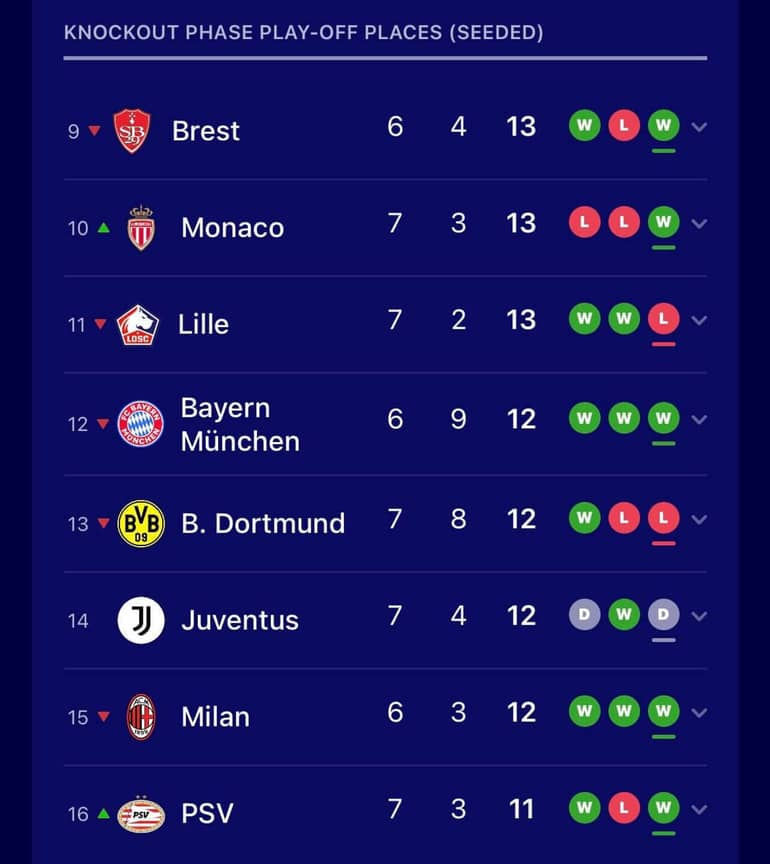
The UCL standings are more than just a table; they are a living narrative of ambition, failure, triumph, and shock. The upsets and surprises of the group stage are not bugs in the system; they are the system’s greatest feature. They reaffirm the core principle of sporting competition: nothing is guaranteed.
As we move towards the knockout rounds, the stakes get even higher. But the foundation for the drama was laid here, in these early battles that reshaped expectations and redefined the contenders. The giants have been warned, the dark horses are dreaming, and the fans are ready for more. The unpredictable, glorious journey to European football’s ultimate prize is well and truly underway.


Real Madrid’s UCL Schedule: Decoding Their Route to Unprecedented Glory

Benfica vs Real Madrid: A Crucial Clash with Major Standings Implications

Benfica vs. Real Madrid: A Clash of Titans, A Legacy of Legends
About The Author
