UCL Standings: The Europa League Tightrope Walk – Who’s Dropping Down?
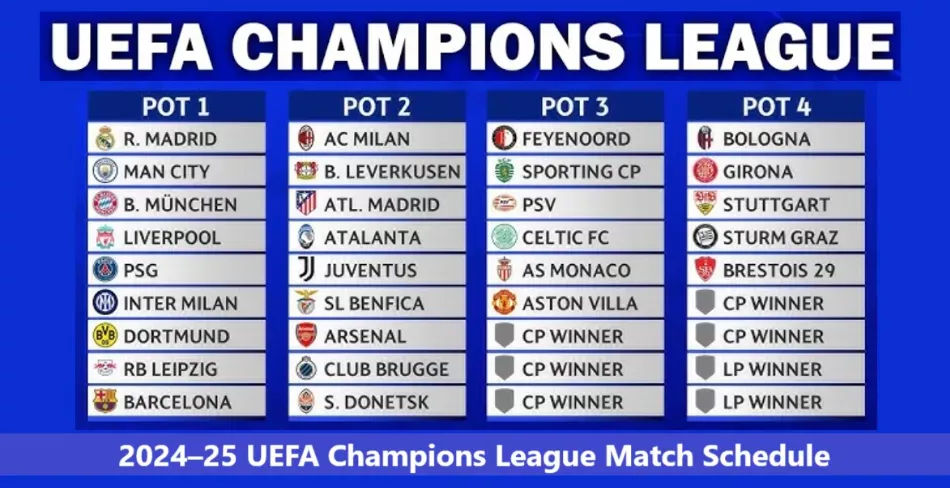
The UEFA Champions League group stage is more than just a race for continental supremacy; it’s a high-stakes drama where fortunes can change with a single match. While the allure of lifting Ol’ Big Ears in the final is the ultimate prize, for many elite clubs, simply navigating the group stage and securing a spot in the knockout rounds is a triumph in itself. However, there’s another, often less celebrated, European competition that beckons for those who fall just short: the UEFA Europa League. The third-place finish in a Champions League group isn’t a failure, but rather a transition, a second chance at European glory. But who are the giants currently teetering on the edge, staring down the prospect of a demotion to the Europa League?
As the Champions League group stage progresses, the permutations become increasingly complex, and the pressure intensifies. Teams that were once considered heavy favorites can find themselves in precarious positions, battling not just for advancement but for survival in European football altogether. The drop to the Europa League, while still a prestigious competition, represents a shift in expectations and often a blow to a club’s prestige.
Understanding the UCL standings is crucial for any football aficionado. It’s not just about who tops the group, but also about the critical battle for third place. This position guarantees a place in the Europa League knockout stages, offering a lifeline and a new objective for teams that couldn’t quite secure Champions League progression.
The Europa League, once considered a consolation prize, has evolved into a significant tournament in its own right. Winning it offers automatic qualification to the following season’s Champions League, making it an incredibly attractive proposition for clubs that might otherwise have their European dreams extinguished.
So, who is currently in the firing line? Several high-profile clubs, accustomed to the bright lights of the Champions League knockouts, are finding themselves in unfamiliar territory. Their performances in the crucial remaining group matches will dictate whether they continue their quest for Champions League glory or pivot their focus to Europa League success.
The Shifting Sands of Group A
Group A often throws up intriguing battles. While one team might be cruising towards qualification, the fight for second and third can be a nail-biting affair. We’ll examine the current standings here, looking at the goal difference, head-to-head records, and remaining fixtures that will decide the fate of clubs vying for survival.
Group B: A Tight Contest for Knockout Spots
In Group B, the race might be too close to call. Teams could be separated by mere points or even goal difference, making every single goal and every defensive stand crucial. The implications of finishing second versus third here are significant, impacting potential knockout stage opponents and the overall trajectory of their European journeys.
Group C: Heavyweights Under Pressure?
Group C could be home to some of the biggest names in European football. If traditional powerhouses are finding themselves in the bottom two, it signals a potential crisis and a strong likelihood of them dropping into the Europa League. Their experience, however, might give them an edge in navigating this challenging scenario.
Group D: The Underdogs and the Giants
Group D might feature a mix of established giants and ambitious underdogs. The struggle for third place could be between a team expected to qualify and a surprise package. This scenario often leads to dramatic upsets and unexpected results, making it a must-watch for fans of the beautiful game.
Group E: Predicting the Drop Zone
As we move through the groups, we’ll pinpoint the teams that are statistically most likely to finish third. This involves looking at their current points tally, their form in recent matches, and the difficulty of their remaining opponents. It’s a calculated prediction, but one based on solid analysis of the UCL standings.
Group F: The Battle for European Life
Group F’s narrative might be one of survival. Teams might be fighting tooth and nail for every point, knowing that a single slip-up could mean a premature end to their Champions League ambitions and a redirection towards the Europa League.
Group G: Consistency is Key
In Group G, consistency throughout the group stage often dictates success. Teams that have struggled to find their rhythm might be the ones finding themselves in the third-place hunt. We’ll assess whether they have the resilience to turn their fortunes around.
Group H: The Final Frontier for Some
Group H could present the final frontier for some clubs aiming for Champions League glory. The stakes are incredibly high, and the pressure to perform in these crucial final games is immense. A third-place finish here would be a significant achievement for some, a disappointing outcome for others.
What Does Dropping to the Europa League Mean?
For clubs that finish third, the Europa League offers a fresh start. It’s a chance to regroup, rebuild momentum, and potentially go all the way in another major European competition. The prestige of winning the Europa League should not be underestimated, and it can often be a stepping stone to greater things.
Tactical Adjustments and Team Morale
A drop to the Europa League might necessitate tactical adjustments. Managers might rotate squads, giving fringe players opportunities, or they might focus their resources on securing a strong run in the competition. The psychological impact on the team’s morale is also a significant factor to consider.
The Financial Implications
Beyond the sporting aspect, there are considerable financial implications to consider. UEFA prize money decreases with each stage of progression, and a deeper run in the Europa League, while less lucrative than the Champions League, still offers significant financial rewards.
Key Players to Watch in the Europa League Race
We’ll also highlight some of the key players whose performances will be pivotal in deciding their team’s fate. Whether it’s a veteran leader guiding their team through adversity or a young starlet looking to make a name for themselves, individual brilliance can often be the difference maker.
Analyzing Remaining Fixtures
A critical element in predicting UCL standings is the analysis of remaining fixtures. Some teams have favorable run-ins, while others face a gauntlet of tough opponents. This can significantly sway the balance of power in the final group games.
Head-to-Head Records: The Tiebreaker
When teams are level on points, head-to-head records often come into play. Understanding these tiebreakers is essential for grasping the nuances of Champions League qualification and the battle for third place. A crucial away goal or a vital home win can become the deciding factor.
Goal Difference: The Ultimate Decider?
In tight groups, goal difference can be the ultimate arbiter. Teams that have been more prolific in attack or more solid in defense might find themselves with a crucial advantage when the final whistle blows on the group stage.
The Pressure Cooker Environment
The Champions League group stage is a pressure cooker. Teams accustomed to winning trophies will feel the heat intensely if they underperform. This mental fortitude is often what separates the contenders from those who falter.
Europa League: A Path to Redemption
For clubs that find themselves heading towards the Europa League, it’s not the end of the road, but rather a path to redemption. Many memorable European campaigns have started with a ‘failed’ Champions League group stage, only to culminate in silverware.
The Managerial Dilemma
Managers face a significant dilemma: do they prioritize securing third place and a Europa League run, or do they gamble on snatching second and continuing in the Champions League, potentially risking elimination from all European competition?
Fan Expectations and Club Ambitions
Fan expectations and club ambitions play a massive role. For some clubs, a Europa League exit before the knockout stages would be deemed a failure of epic proportions, while for others, a strong showing in the Europa League would be celebrated.
Historical Precedents
Looking at historical precedents can offer valuable insights. We’ve seen numerous instances of major clubs dropping into the Europa League and going on to win it, proving that it’s a competition that can still offer immense satisfaction and success.
The Final Verdict: Who Will Make the Drop?
As we approach the final matchdays, the picture will become clearer. We’ll offer our informed predictions based on the current UCL standings, the remaining fixtures, and the historical resilience of the clubs involved. The race for the Europa League is often as compelling as the race for Champions League glory.
In conclusion, the UEFA Champions League group stage is a complex ecosystem where the battle for progression is fierce. While the ultimate goal is to advance in the Champions League, the third-place spot offers a valuable lifeline into the Europa League. The clubs currently finding themselves on the precipice of this drop face a critical juncture, where their performances in the coming weeks will not only determine their European future but also shape their season’s narrative. The Europa League, far from being a consolation, represents a significant opportunity for silverware and a chance to reaffirm their standing on the continental stage. The drama is far from over, and the final standings will undoubtedly provide compelling storylines for football fans worldwide.

Unlocking the Chaos: Live Champions League Table & Real-Time Qualification Scenarios

Real Madrid: How Los Blancos Became the Undisputed Kings of Europe

Future Kings of Europe: An Early Look at the Champions League 2026 Playoffs
About The Author
