UCL Knockout Stage: Decoding the Favorites & Unveiling the Dark Horses for Glory
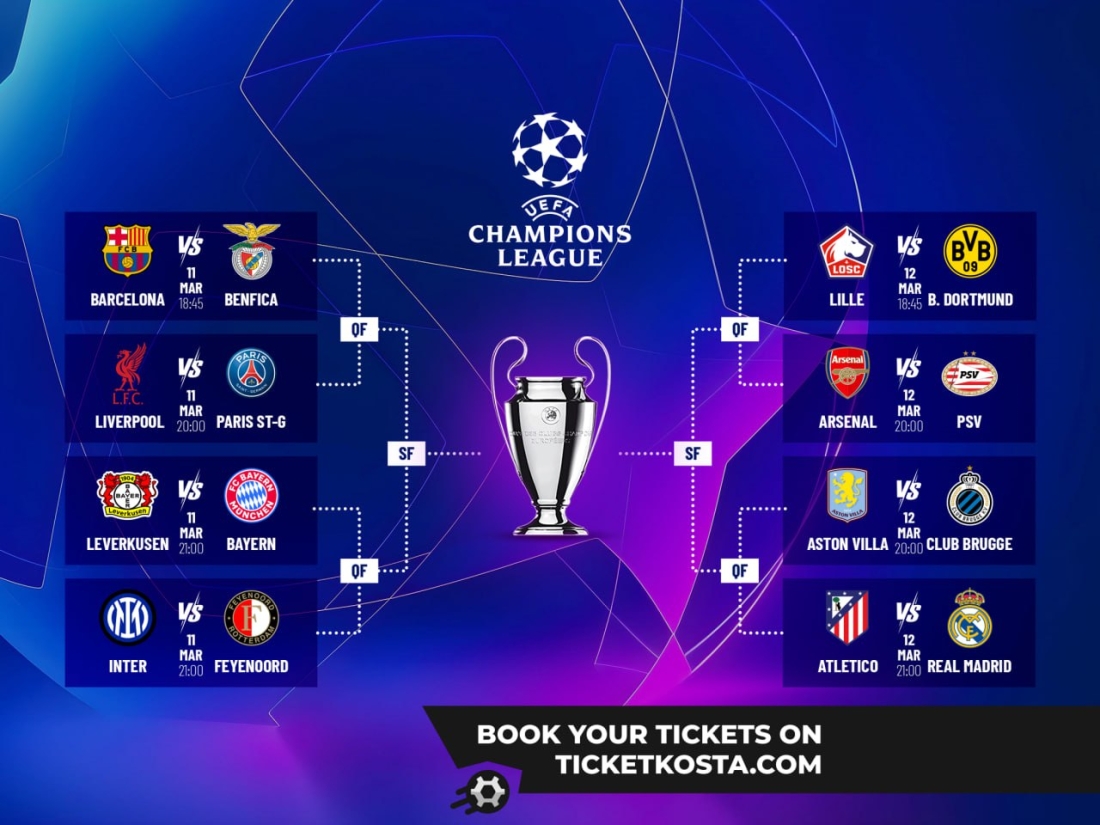
The roar of the crowd, the iconic anthem, the sheer drama of 90 minutes (or 120, plus penalties) where dreams are forged or shattered – there’s nothing quite like the UEFA Champions League knockout stage. This isn’t just football; it’s a gladiatorial arena where Europe’s elite clubs clash, and only the strongest, most resilient, and often, the luckiest, emerge victorious. As the group stage dust settles, the real battle begins, and the question on every football fan’s lips is: who will conquer Europe?
This year’s competition promises to be one of the most enthralling in recent memory, with a blend of established powerhouses and ambitious challengers all vying for the ultimate prize in club football. From tactical masterclasses to individual brilliance, every tie is a narrative waiting to unfold, a potential classic in the making. Are you ready to predict the unpredictable?
The Road So Far: A Glimpse into Form and Momentum
The group stage, while a testing ground, often provides crucial insights into a team’s current form, tactical adaptability, and squad depth. Teams that cruised through their groups, often doing so with dominant performances and minimal fuss, carry significant momentum. Conversely, those who scraped through, perhaps relying on individual heroics or a stroke of luck, might find the unforgiving nature of the knockout rounds a stark reality check.
Momentum is an intangible yet powerful force in football. A team brimming with confidence from a string of victories, both domestically and in Europe, often performs above its perceived ability. It’s the psychological edge that can turn a close encounter into a decisive victory.
Frontrunners and Favorites: The Usual Suspects Eyeing the Crown
Every Champions League campaign has its perennial favorites, clubs whose history, financial might, and star-studded squads place them firmly at the top of the prediction charts. This season is no different, with several giants looking particularly menacing.
Manchester City: The Reigning Kings’ Relentless Pursuit
Pep Guardiola’s Manchester City remain the team to beat. Fresh off their historic treble, their squad depth is unparalleled, and their tactical fluidity is a nightmare for opposition managers. With Erling Haaland leading the line, supported by creative maestros like Kevin De Bruyne (when fit) and Bernardo Silva, City possess an almost unstoppable attacking arsenal. Their relentless pressing and control of possession make them incredibly difficult to play against.
However, the weight of expectation and the desire to become only the second team to win back-to-back Champions League titles could be their biggest challenge. Can they maintain their intensity through another grueling knockout run?
Real Madrid: The Kings of Europe’s Unwavering Aura
Never, ever count out Real Madrid. The 14-time champions possess an almost mythical connection with this competition. Their ability to find an extra gear, to produce moments of magic when it matters most, is legendary. Jude Bellingham has been a revelation, adding goals and dynamism to an already formidable midfield. With Vinicius Jr. and Rodrygo providing pace and trickery on the wings, Madrid’s counter-attacking threat is lethal.
Their experience in these high-stakes games is invaluable. Carlo Ancelotti knows how to navigate the knockout stages better than most, and the Bernabéu under the lights is a fortress where opponents often crumble. Their defensive solidity, however, can sometimes be tested.
Bayern Munich: German Efficiency and Star Power
Bayern Munich, with Harry Kane spearheading their attack, are another formidable force. Kane’s goal-scoring prowess has seamlessly integrated into Bayern’s dominant style. Their squad is packed with talent across every position, from Manuel Neuer in goal to Jamal Musiala’s dazzling creativity in midfield. They combine German efficiency with explosive attacking power.
While they’ve shown some vulnerabilities domestically, their Champions League performances often transcend their league form. Their big-game players tend to step up, and their tactical discipline makes them a tough nut to crack.
Other Contenders: Arsenal’s Resurgence & PSG’s Quest
Arsenal have impressed with their tactical maturity and youthful exuberance. Mikel Arteta has built a cohesive unit that plays attractive, effective football. Their return to the Champions League knockout stages sees them as a genuine threat, albeit with less experience at this level compared to the established giants.
Paris Saint-Germain, with Kylian Mbappé’s electrifying talent, always enter the competition with high hopes. Despite domestic dominance, European glory has eluded them. This year, under Luis Enrique, they aim to finally break their duck, but their reliance on individual brilliance sometimes overshadows collective cohesion.
Unveiling the Dark Horses: Who Could Surprise Everyone?
Beyond the usual suspects lie the dark horses – teams with the quality, tactical nous, and sometimes, the sheer audacity to defy expectations and go deep into the tournament, potentially even lifting the trophy. Identifying these teams is where the real fun begins.
Inter Milan: Italian Resilience and Tactical Acumen
Last season’s finalists, Inter Milan, cannot be underestimated. Simone Inzaghi’s side combines robust Italian defending with a potent attacking threat, often delivered through Lautaro Martínez. They are tactically astute, incredibly organized, and possess a steely determination that makes them incredibly difficult to beat over two legs. Their experience from last year’s run will be invaluable.
Their ability to absorb pressure and hit on the counter, coupled with a passionate home crowd at San Siro, makes them a dangerous opponent for any top team. They might not have the star power of a Real Madrid or City, but their collective strength is immense.
Borussia Dortmund: Youthful Energy and the Yellow Wall
Borussia Dortmund, often a breeding ground for future stars, have shown flashes of brilliance in the group stage. While their domestic form can be inconsistent, the Champions League brings out a different beast in them. With electrifying pace and technical skill, particularly from players like Julian Brandt and the emerging talents, they can hurt any defense. The atmosphere of the ‘Yellow Wall’ at Signal Iduna Park is a significant advantage in home legs.
Their challenge lies in maintaining defensive solidity against top-tier attacks and converting their chances clinically. If they can find consistency, they have the potential to cause a major upset.
Atlético Madrid: Simeone’s Gritty Gladiators
Diego Simeone’s Atlético Madrid are never an easy draw. Known for their defensive solidarity, tactical discipline, and aggressive approach, they are masters of frustrating opponents. Antoine Griezmann’s resurgence has added a vital creative and goal-scoring dimension, complementing their traditional strengths. They thrive on being the underdog and can drag even the most free-flowing teams into a dogfight.
Their challenge remains converting defensive stability into consistent attacking threat against the very best, but their sheer grit and knockout stage experience make them a genuine wildcard.
Key Battles and Potential Upsets: Where the Drama Unfolds
The beauty of the knockout stage lies in the head-to-head clashes. Certain matchups could be pivotal, defining the trajectory of the entire tournament. A strong favorite facing a determined dark horse early on could lead to an explosive encounter.
Consider a scenario where a high-flying attacking team meets a defensively resolute side. It becomes a fascinating tactical chess match. Or perhaps two evenly matched giants clashing, where individual brilliance or a single refereeing decision could swing the tie.
These are the moments where legends are made, and upsets, however improbable, become etched in history. The psychological aspect of these games cannot be overstated; the team that holds its nerve often prevails.
Factors That Determine Victory: Beyond Pure Talent
- Squad Depth and Injury Luck: A deep squad capable of rotating players and absorbing injuries is vital, especially as the season wears on. One key injury can derail an entire campaign.
- Managerial Tactics and Adaptability: The ability of a coach to read the game, make crucial in-game adjustments, and devise specific strategies for two-legged ties is paramount.
- Mental Fortitude and Experience: The pressure of the Champions League knockout stage is immense. Teams with players accustomed to these moments, who can perform under extreme scrutiny, often have an edge.
- Home Advantage: The support of a passionate home crowd can be the 12th man, providing a significant psychological boost and intimidating opponents.
- Referee Decisions and VAR: Controversial calls can dramatically alter the outcome of a tie, sometimes unfairly. Teams need to be prepared for every eventuality.
These elements, when combined, create a complex tapestry of variables that make predicting the Champions League winner a truly challenging, yet exhilarating, endeavor.
Conclusion: The Unpredictable Road to European Glory
The UCL Knockout Stage is more than just a series of football matches; it’s a testament to human endeavor, tactical brilliance, and the sheer unpredictability of the beautiful game. While Manchester City and Real Madrid stand out as formidable favorites, the likes of Inter Milan, Borussia Dortmund, and Atlético Madrid possess the qualities to spring a surprise.
Every pass, every tackle, every shot on goal will be magnified under the European spotlight. As fans, we eagerly anticipate the drama, the unforgettable moments, and the eventual crowning of Europe’s champion. One thing is certain: prepare for an exhilarating ride, because in the Champions League, anything is possible.
Who do you think will lift the trophy this year? The stage is set, the gladiators are ready. Let the games begin!

Champions League Playoffs 2026: A New Era of Football Begins

Real Madrid FC: The Undisputed Kings of Champions League Dominance

Decoding Champions League Drama: Analyzing Table Trends & Group Dynamics
About The Author
