The Special One’s Unfinished Business: Jose Mourinho’s UCL Legacy and Potential Comeback
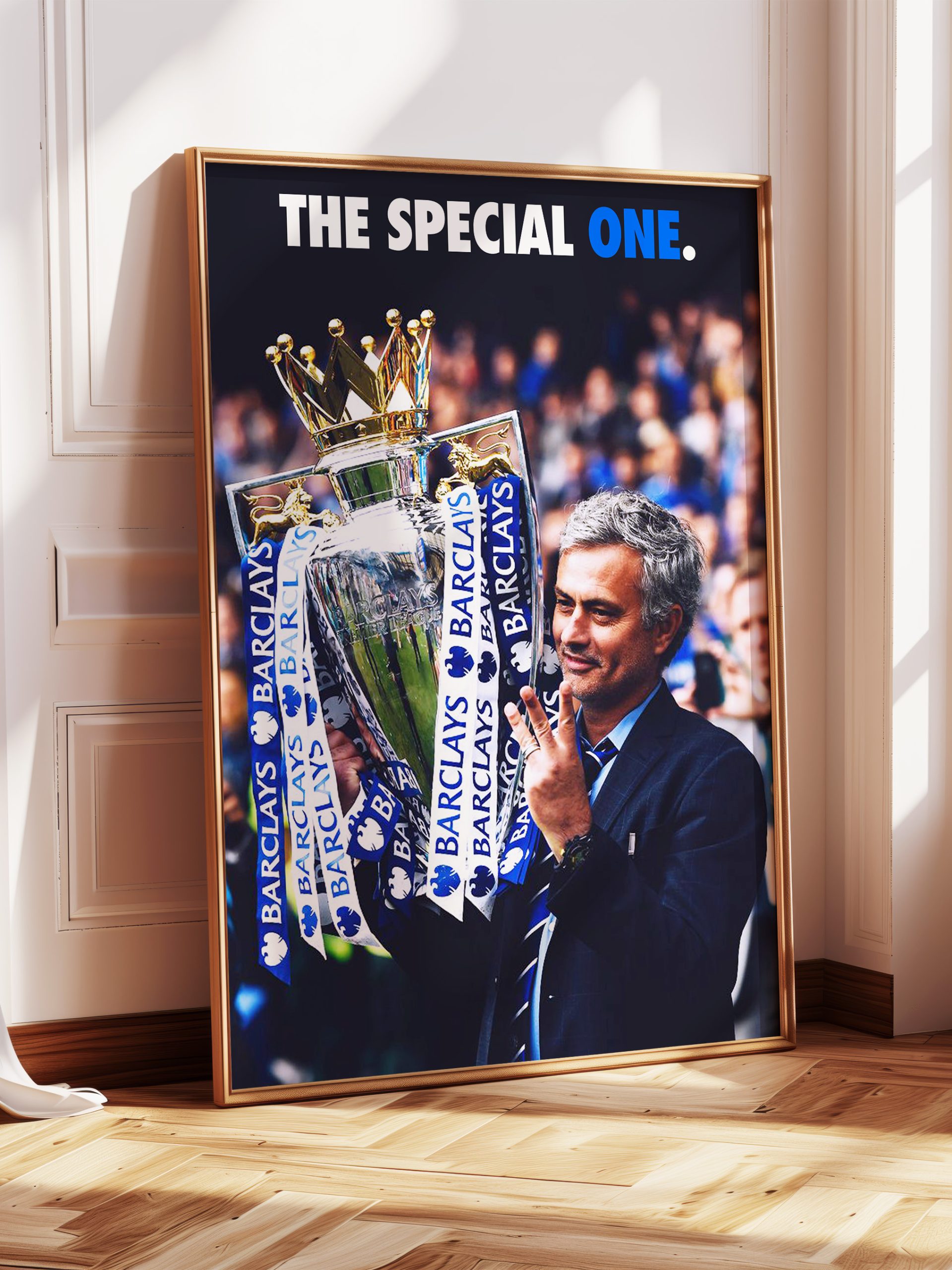
It was a chilly evening at Old Trafford in 2004 when a relatively unknown Portuguese manager sprinted down the touchline, coat flapping in the wind, celebrating a last-minute goal that would eliminate Manchester United from the Champions League. In that moment, the world didn’t just witness a goal; they witnessed the birth of an icon. Jose Mourinho didn’t just arrive on the big stage; he kicked the door down and announced himself as ‘The Special One’.
For over two decades, Mourinho has been the protagonist in some of European football’s most compelling narratives. He is a figure who divides opinion like no other—worshipped by the faithful of the clubs he manages and vilified by rivals. Yet, regardless of where you stand, his impact on the UEFA Champions League (UCL) is undeniable. He is one of the few managers to have lifted the ‘Big Ears’ trophy with two different clubs, a testament to his tactical acumen and psychological mastery.
However, the landscape of modern football shifts rapidly. With the rise of high-pressing systems and possession-dominant philosophies, critics argue that Mourinho’s pragmatic style is outdated. As he navigates the latest chapters of his career, the footballing world asks: Does Jose Mourinho have one last European masterclass left in him? To answer that, we must first understand the foundation of his legacy.
The Porto Miracle: Defying the Odds
The 2003-2004 season remains one of the greatest underdog stories in the history of the competition. FC Porto, a talented but financially modest side compared to Europe’s elites, achieved the unthinkable under Mourinho’s guidance. This wasn’t just about luck; it was about meticulous preparation and a siege mentality that Mourinho instilled in his players.
Mourinho transformed a group of players like Deco, Ricardo Carvalho, and Maniche into a disciplined unit that could suffocate opponents. The victory against Manchester United in the Round of 16 was the turning point, but the 3-0 demolition of AS Monaco in the final was the coronation. It proved that tactical organization could triumph over star power.
Key Takeaway: The Porto triumph established Mourinho’s blueprint: a solid defensive structure, lethal counter-attacking, and an ‘us against the world’ psychology that binds the squad together.
The Inter Milan Treble: The Peak of Pragmatism
If Porto was his introduction, his tenure at Inter Milan was his masterpiece. In 2010, Mourinho delivered a historic treble to the Nerazzurri, ending a 45-year wait for the European Cup. This campaign is often cited by football purists and tacticians alike as the ultimate example of defensive discipline.
The Anti-Barcelona Blueprint
The defining moment of that 2010 run was not the final against Bayern Munich, but the semi-final second leg against Barcelona at the Camp Nou. Reduced to 10 men early in the game, Inter produced arguably the greatest defensive performance in UCL history. Facing arguably the best club side ever assembled—Pep Guardiola’s prime Barcelona—Mourinho parked the bus, the plane, and the tank.
Inter surrendered possession entirely, yet Barcelona could not break them down. It was the clash of philosophies: Total Football versus Total Pragmatism. Mourinho’s victory was a statement that beauty in football is subjective, and that winning is the only metric that truly matters to him.
The Madrid and Chelsea Years: So Close, Yet So Far
Following his success in Italy, Mourinho moved to Real Madrid with a specific mandate: win ‘La Decima’ (the 10th UCL title). While he broke Barcelona’s domestic dominance by winning La Liga with record-breaking stats, the Champions League glory eluded him in the Spanish capital.
He guided Madrid to three consecutive semi-finals, stabilizing a club that had previously struggled to get past the Round of 16. However, penalty shootout heartbreaks and narrow defeats kept him from the final. These years showcased a more aggressive, counter-attacking Mourinho, harnessing the speed of Cristiano Ronaldo to devastating effect.
His return to Chelsea brought Premier League success but failed to replicate his European highs. As the years progressed, narratives began to surface that the game was evolving past him. The emergence of Klopp’s ‘Gegenpressing’ and Guardiola’s evolution seemed to overshadow Mourinho’s low-block style.
Tactical Evolution: Is ‘Mourinho-ball’ Still Viable?
The primary criticism leveled at Mourinho in recent years is that his football is too reactive. In an era where proactive, possession-based football is the gold standard for elite clubs, Mourinho’s tendency to sit back and wait for mistakes can seem archaic. However, this assessment lacks nuance.
We have seen glimpses of evolution. During his time at AS Roma, Mourinho adapted. He led them to back-to-back European finals, winning the inaugural UEFA Conference League and narrowly losing the Europa League final. These runs proved that his ability to navigate knockout football remains elite. He knows how to manage game states, how to waste time, and how to nullify specific threats better than almost anyone.
"Finals are not played, they are won," Mourinho famously said. This philosophy is timeless. While he may not win a 38-game league season against a machine like Manchester City, in a two-legged knockout tie, Mourinho remains a formidable adversary for any manager.
The Potential Comeback: Where Next for the Special One?
Currently managing Fenerbahce, Mourinho is outside the traditional ‘Big Five’ leagues, but he is certainly not in retirement. The Turkish giants offer him a platform to compete in Europe, albeit not as immediate favorites for the UCL. But for a manager of his stature, the eyes are always on a return to the absolute elite.
Possible Destinations for a UCL Return
- Newcastle United: With their financial backing and a fanbase hungry for trophies, Mourinho’s profile fits the bill if they decide to move on from Eddie Howe.
- Paris Saint-Germain: The one major European league he hasn’t conquered. PSG’s obsession with the UCL aligns with Mourinho’s specialty.
- International Management: While not the UCL, leading a nation like Portugal or England to glory would be a fitting final chapter.
The most intriguing prospect is a return to a sleeping giant in Italy or England that is desperate for silverware. Mourinho functions best when he is the savior, the man coming in to fix a broken culture. If a top-tier UCL club finds themselves in crisis, Mourinho’s phone will likely be the first to ring.
Conclusion: The Lion Can Still Roar
Jose Mourinho’s legacy in the Champions League is secure. He is one of the competition’s greatest architects, a man who defined an era of tactical battles. But knowing his competitive nature, he will not be content with living in the past.
The potential for a comeback is not just a romantic notion; it is a genuine possibility. Football is cyclical, and defensive solidity combined with clinical finishing never truly goes out of style. Whether it is with an underdog or a returning giant, do not bet against Jose Mourinho hearing the Champions League anthem one last time in a major final. The Special One may have grayed, but the fire still burns.

Real Madrid’s Champions League Domination: An Unrivaled Legacy
Champions League Table: Unveiling the Group Stage Masterpieces & Heartbreaks

Eagles Soaring High: A Deep Dive into Benfica’s Champions League Dominance
About The Author
