The Reign of Real Madrid: Are They Still the Kings of the Champions League?
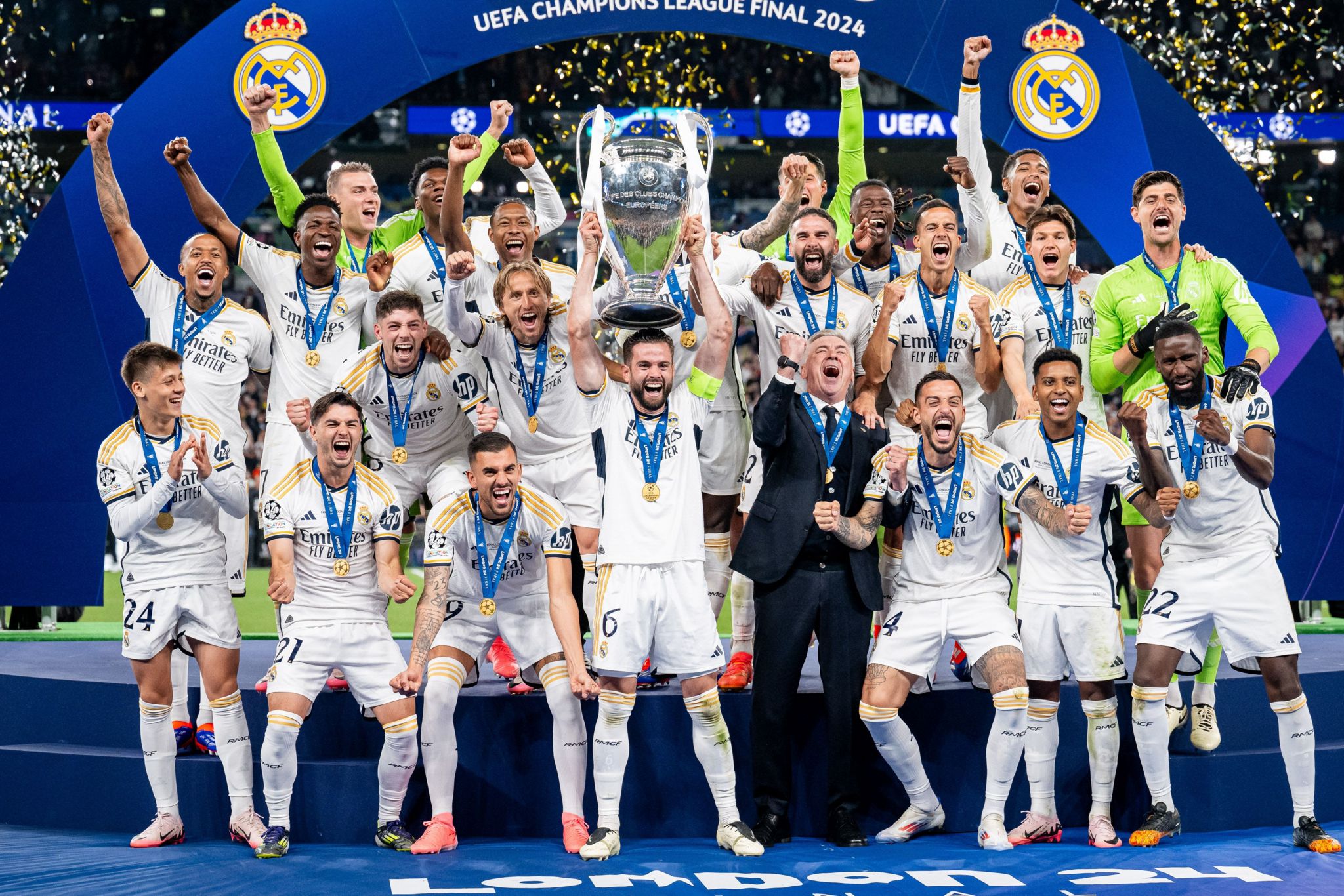
The air crackles with anticipation, the anthem swells, and the floodlights illuminate the hallowed turf. For decades, one club has consistently defined European football’s elite competition: Real Madrid. Their trophy cabinet, overflowing with Champions League titles, tells a story of unmatched dominance. But in the fiercely competitive modern era, where new challengers rise and established giants shuffle, a crucial question lingers: Is Real Madrid still the undisputed best team in the Champions League?
To even pose this question is to acknowledge the sheer weight of history. Real Madrid are not just participants; they are architects of the Champions League’s narrative. With a record 14 European Cups, their legacy is etched in the annals of football. This isn’t mere luck; it’s a testament to a club culture steeped in winning, a relentless pursuit of European glory that transcends generations.
However, football is a dynamic beast. The tactical innovations, the financial power shifts, and the emergence of formidable squads from across the continent mean that past glories, while celebrated, do not guarantee future success. The Champions League is a gladiatorial arena, and even the most decorated champions must continually prove their mettle.
A Legacy Forged in European Nights
The story of Real Madrid and the European Cup (now Champions League) is intrinsically linked. From the Di Stéfano era’s five consecutive triumphs in the 1950s to the modern Galácticos and the recent Zidane-inspired treble, Los Blancos have consistently found a way to conquer Europe.
This sustained success is not accidental. It’s built on a foundation of strategic recruitment, unwavering club ambition, and an intangible ‘Champions League DNA’ that seems to imbue their players with an extra gear when the stakes are highest.
Think of the iconic comebacks, the last-minute winners, the sheer resilience displayed on the biggest stage. These aren’t just isolated incidents; they are recurring themes in Real Madrid’s Champions League saga. They possess a unique ability to absorb pressure and deliver when it matters most.
Assessing Real Madrid’s Current Standing
While their historical dominance is unquestionable, the present reality requires a nuanced examination. Carlo Ancelotti’s side, in recent seasons, has showcased remarkable adaptability and a winning mentality that continues to serve them well. They’ve navigated challenges with grit and determination, often defying expectations.
Key players like Karim Benzema, Luka Modrić, and Toni Kroos have provided a blend of experience and world-class quality. Their leadership on the pitch has been instrumental in guiding younger talents and maintaining the club’s high standards. Vinícius Júnior’s emergence as a global superstar has added a new dimension of explosive attacking threat.
However, the team isn’t without its vulnerabilities. Injuries can take their toll, and the relentless schedule of top-tier football demands immense squad depth and resilience. The competitive landscape also means that other clubs have invested heavily, assembling squads capable of challenging for the ultimate prize.
The Evolution of Ancelotti’s Tactics
Carlo Ancelotti, a master tactician, has consistently found ways to optimize his squad’s strengths. His ability to manage big egos, foster team cohesion, and adapt his strategies to different opponents is a significant factor in their ongoing success. He often emphasizes pragmatism and a deep understanding of the game’s crucial moments.
The transition from a team heavily reliant on individual brilliance to a more cohesive unit, capable of grinding out results, has been a hallmark of Ancelotti’s tenure. This tactical flexibility is vital in a tournament where opponents are equally adept.
Key Players and Their Impact
The influence of veterans like Modrić and Kroos cannot be overstated. Their midfield control, vision, and ability to dictate tempo remain crucial. Benzema’s goal-scoring prowess and intelligent link-up play have been legendary. The development of younger stars like Vinícius Jr. and Rodrygo provides the dynamism and unpredictability needed to break down resolute defenses.
The goalkeeping situation, with Thibaut Courtois often performing heroics, has also been a cornerstone of their defensive solidity. A world-class keeper is often the difference-maker in tight European ties.
The Rising Tide of Competition
The Champions League is more competitive than ever. Clubs like Manchester City, Bayern Munich, Liverpool, and Paris Saint-Germain boast immense financial resources, elite managers, and squads packed with world-class talent. These teams are not just contenders; they are genuine threats to Real Madrid’s supremacy.
Manchester City, under Pep Guardiola, has consistently demonstrated a level of tactical sophistication and squad depth that makes them a formidable opponent. Their quest for the ‘quadruple’ in recent seasons highlights their ambition and capability.
Bayern Munich, with their own rich European history, remains a powerhouse, known for their efficiency and ruthlessness. Liverpool, under Jürgen Klopp, has re-established itself as a European giant, characterized by its high-intensity pressing and attacking flair.
Factors Beyond the Pitch
Real Madrid’s aura in the Champions League is also a psychological weapon. Opponents often step onto the pitch knowing they are facing a club with an unparalleled winning pedigree in this competition. This ‘fear factor’ can be significant, especially in crucial knockout stages.
The Santiago Bernabéu, with its passionate fanbase and legendary status, is a fortress that has witnessed countless European nights of triumph. The atmosphere created on big European nights can undoubtedly give Real Madrid an edge.
Furthermore, the club’s ability to attract and retain top talent, often through its sheer prestige, ensures a constant influx of quality players ready to embrace the Champions League challenge. This continuous cycle of talent replenishment is a key differentiator.
The ‘Real Madrid DNA’ – Myth or Reality?
Is there truly a ‘Real Madrid DNA’ for the Champions League? While it might sound like a romantic notion, there’s an observable pattern of resilience, belief, and an ability to perform under extreme pressure that sets them apart. It’s a cultural inheritance passed down through generations of players and staff.
This DNA manifests in their refusal to give up, their knack for scoring crucial goals at pivotal moments, and their collective understanding of what it takes to win the biggest prize in club football. It’s more than just skill; it’s a mindset.
Conclusion: The Enduring Enigma
So, is Real Madrid still the best team in the Champions League? The answer is complex, evolving, and perhaps, ultimately, subjective. They may not always enter the competition as the outright favorites based solely on current form or squad depth compared to every single rival.
However, their historical dominance, their psychological advantage, their tactical adaptability under Ancelotti, and the sheer ‘magic’ of the Bernabéu on European nights mean they are always a force to be reckoned with. They possess the proven ability to rise to the occasion, to overcome adversity, and to find a way to win when it matters most.
While other clubs boast formidable squads and tactical prowess, Real Madrid’s unparalleled legacy and their unique connection to the Champions League trophy ensure they remain at the pinnacle of European football. They are, in many ways, the benchmark against which all other contenders are measured. The Kings of Europe may face challenges, but their reign, in spirit if not always in consistent dominance, endures.

Champions League Live Scores: Your Ultimate Guide to Never Missing a Goal

Benfica vs Real Madrid: A Fan’s Ultimate Matchday Experience

The Unbreakable Wall: How Anatoliy Trubin Has Transformed Benfica’s Defense
About The Author
