The Mourinho Effect: Deconstructing a Champions League Dynasty
José Mourinho. The name itself evokes images of tactical brilliance, touchline theatrics, and, most importantly, Champions League glory. From his improbable triumph with Porto to his strategic masterclasses with Inter Milan and beyond, Mourinho’s imprint on Europe’s premier club competition is undeniable. But what exactly is Mourinho’s Champions League legacy? Is it solely defined by the two titles, or does it encompass something far greater – a revolution in tactical thinking, a reshaping of team dynamics, and an unwavering belief in the power of the underdog?
This article embarks on a comprehensive journey through Mourinho’s Champions League career, dissecting his key strategies, analyzing his most memorable victories, and evaluating his overall impact on the tournament. We’ll explore the controversies, the innovations, and the enduring influence of ‘The Special One’.
From Porto to the Pinnacle: The Unlikely Triumph of 2004
Mourinho’s Champions League story begins with Porto, a club steeped in history but not necessarily considered a European powerhouse. In the 2003-2004 season, Mourinho orchestrated a tactical masterclass that defied all expectations. His Porto side, built on a foundation of defensive solidity, tactical flexibility, and a relentless work ethic, navigated a treacherous path to the final.
Tactical Innovations: Mourinho’s Porto were renowned for their organized defending, quick transitions, and clinical finishing. He implemented a 4-4-2 formation that emphasized compactness and discipline, making them incredibly difficult to break down. Players like Deco, Maniche, and Ricardo Carvalho became household names, embodying Mourinho’s tactical vision.
The Road to Glory: Porto’s Champions League campaign was a series of impressive victories, including a memorable triumph over Manchester United at Old Trafford. Their resilience and tactical nous were evident in every match, culminating in a convincing 3-0 victory over Monaco in the final.
The 2004 Champions League victory was more than just a trophy for Porto; it was a statement of intent from Mourinho. It announced his arrival on the European stage and cemented his reputation as a tactical innovator and a master motivator. It proved that with the right strategy and the right mentality, even the most unlikely of teams could achieve Champions League glory.
Inter Milan: Completing the Treble with Tactical Precision
After successful spells at Chelsea, Mourinho arrived at Inter Milan with the ambition of restoring the club to its former glory. In the 2009-2010 season, he achieved the impossible, leading Inter to a historic treble: Serie A, Coppa Italia, and, most importantly, the Champions League.
Building a Fortress: Mourinho transformed Inter into a defensive juggernaut, conceding very few goals throughout the Champions League campaign. His tactical approach was based on a solid backline, tireless midfielders, and clinical strikers like Diego Milito. He instilled a sense of discipline and tactical awareness that made Inter incredibly difficult to play against.
Battling Barcelona: Inter’s Champions League campaign will forever be remembered for their semi-final clash against Barcelona, the reigning champions and arguably the best team in the world at the time. Mourinho’s tactical masterclass in the first leg at the San Siro, followed by a heroic defensive performance at the Camp Nou, secured Inter’s place in the final.
Madrid Triumph: In the final, Inter faced Bayern Munich, another European heavyweight. Mourinho’s tactical plan was executed flawlessly, with Diego Milito scoring both goals in a 2-0 victory. The win solidified Mourinho’s status as one of the greatest managers of his generation and cemented Inter’s place in Champions League history.
Real Madrid: The Quest for ‘La Decima’
Mourinho’s tenure at Real Madrid was marked by intense rivalry with Barcelona and a relentless pursuit of ‘La Decima’ – Real Madrid’s tenth European Cup. While he didn’t deliver the Champions League trophy, his time at the Bernabeu was still significant.
Breaking Barcelona’s Dominance: Mourinho’s Real Madrid challenged Barcelona’s dominance in Spanish football, winning La Liga in 2012. His tactical approach was based on counter-attacking football, utilizing the pace and skill of players like Cristiano Ronaldo and Angel Di Maria.
Semi-Final Heartbreak: Real Madrid reached the Champions League semi-finals three years in a row under Mourinho, but they were unable to overcome their opponents. Despite the disappointment, Mourinho’s Real Madrid were a force to be reckoned with in Europe, showcasing his ability to build a competitive team.
Chelsea & Beyond: A Legacy of Tactical Innovation
Mourinho’s return to Chelsea and subsequent stints at Manchester United and Tottenham Hotspur didn’t yield further Champions League titles, but his tactical innovations continued to influence the game.
Adapting and Evolving: Mourinho has always been willing to adapt his tactics to suit the players at his disposal. He has experimented with different formations and strategies throughout his career, demonstrating his tactical flexibility.
The Mourinho Effect: Mourinho’s impact on the Champions League extends beyond the trophies he has won. His tactical innovations, his ability to motivate players, and his unwavering belief in his own abilities have inspired a generation of managers and players.
The Controversies: A Necessary Evil?
No discussion of Mourinho’s legacy is complete without acknowledging the controversies that have often surrounded him. From his touchline antics to his outspoken comments, Mourinho has never shied away from confrontation. But are these controversies a necessary evil, a byproduct of his passion and his desire to win?
Mind Games: Mourinho is a master of mind games, using psychological tactics to gain an advantage over his opponents. He often makes provocative statements in the media, designed to unsettle the opposition and put pressure on referees.
The Price of Success: Mourinho’s pursuit of success has sometimes led to clashes with players, managers, and officials. His uncompromising approach has alienated some, but it has also earned him the respect of many.
The Lasting Impact: More Than Just Trophies
Ultimately, Mourinho’s Champions League legacy is about more than just the two trophies he has won. It’s about his tactical innovations, his ability to inspire players, and his unwavering belief in the power of the underdog. He has left an indelible mark on the competition, shaping the way the game is played and inspiring a generation of managers and players.
Mourinho’s teams are always well-organized, disciplined, and tactically astute. He emphasizes defensive solidity, quick transitions, and clinical finishing. He is also a master of man-management, able to get the best out of his players by creating a strong team spirit and fostering a winning mentality.
In conclusion, José Mourinho’s Champions League legacy is a complex and multifaceted one. He is a tactical genius, a master motivator, and a controversial figure. But above all, he is a winner. His two Champions League titles, his numerous domestic trophies, and his enduring impact on the game cement his place as one of the greatest managers of all time. Whether you love him or hate him, there’s no denying the ‘Mourinho Effect’ on the world of football.
His influence extends beyond the pitch, shaping the tactical landscape of modern football and inspiring countless coaches and players. Mourinho’s legacy is etched in the annals of the Champions League, a testament to his genius, his ambition, and his unwavering pursuit of victory.

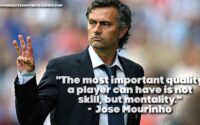
Mourinho’s Mind Games: The Greatest Champions League Quotes That Defined an Era
Clash of Titans: Benfica vs. Real Madrid – The Ultimate Tactical Showdown and Key Battles to Watch
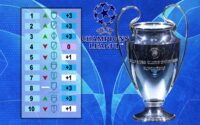
Champions League Table: Unveiling the Group Stage Masterpieces & Heartbreaks
About The Author
