The End of an Era? Analyzing Real Madrid’s Champions League Future
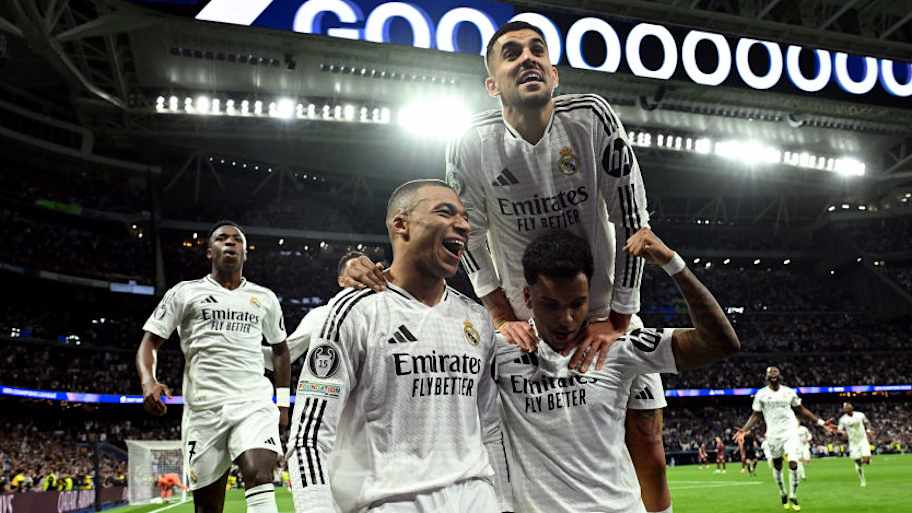
For over a decade, Real Madrid’s name has been synonymous with Champions League glory. Their unprecedented run of success, highlighted by four titles in five years (2014-2018), cemented their status as the undisputed kings of Europe. But the landscape of European football is ever-changing. Are the cracks starting to show in Real Madrid’s armor, signaling the potential end of their reign?
This article delves into the factors that might indicate a shift in power, examining their recent performances, squad dynamics, and the rise of formidable competitors. We will explore whether Real Madrid can adapt and reclaim their throne or if a new era of Champions League dominance is on the horizon.
The Shifting Sands of European Football
The Champions League is a relentless battleground where only the fittest survive. Real Madrid’s past success was built on a foundation of world-class talent, tactical brilliance, and an unwavering winning mentality. However, the competition has intensified, with other European giants investing heavily in their squads and developing sophisticated strategies.
Teams like Manchester City, Paris Saint-Germain, and Bayern Munich have emerged as serious contenders, boasting exceptional players and managers capable of challenging Real Madrid’s supremacy. The financial landscape has also changed, allowing more clubs to compete for top talent, further leveling the playing field.
Key Factors Contributing to Real Madrid’s Recent Struggles
Several factors contribute to Real Madrid’s recent Champions League performances, which have been below their usual high standards. These include squad transitions, tactical adjustments, and increased competition from other European powerhouses.
Squad Transition and Aging Core
The departure of Cristiano Ronaldo in 2018 undoubtedly left a void in Real Madrid’s attack. While the club has attempted to fill that void with new signings, none have quite replicated Ronaldo’s prolific goal-scoring record and overall impact on the team. Furthermore, key players from their previous Champions League-winning squads, such as Karim Benzema, Luka Modrić, and Toni Kroos, are aging, and their influence, while still significant, may be waning.
The challenge for Real Madrid is to successfully integrate new talent while managing the transition of their aging core. Finding the right balance between experience and youth is crucial for maintaining a competitive edge in the Champions League.
Tactical Adaptability and Innovation
Football tactics are constantly evolving, and teams must adapt to stay ahead of the curve. While Real Madrid has traditionally relied on a possession-based style of play, some critics argue that their approach has become predictable and lacks the dynamism needed to break down well-organized defenses.
The arrival of new managers has brought about tactical tweaks, but it remains to be seen whether these changes will be enough to revitalize Real Madrid’s Champions League ambitions. A greater emphasis on pressing, counter-attacking, and exploiting opponent weaknesses may be necessary to regain their competitive advantage.
Increased Competition from European Rivals
As mentioned earlier, the rise of other European giants has significantly increased the competition in the Champions League. Manchester City’s financial power and tactical prowess under Pep Guardiola have made them a formidable opponent. Paris Saint-Germain’s star-studded squad, led by Kylian Mbappé and Neymar, poses a constant threat. And Bayern Munich’s consistent excellence and organizational strength make them perennial contenders.
Real Madrid must overcome these challenges to reclaim their place at the top of European football. This requires strategic squad building, tactical innovation, and a relentless pursuit of excellence.
The Rise of New Contenders: A Threat to Real Madrid’s Dominance?
The emergence of new contenders in the Champions League poses a significant threat to Real Madrid’s dominance. These teams possess the financial resources, tactical expertise, and world-class players to challenge Real Madrid’s supremacy.
Manchester City: The Guardiola Revolution
Under the guidance of Pep Guardiola, Manchester City has transformed into a dominant force in English and European football. Their possession-based style of play, combined with a relentless pressing game, has made them a difficult opponent to contain. City’s investment in world-class players, such as Kevin De Bruyne, Erling Haaland and Rodri, has further strengthened their squad.
Manchester City’s recent Champions League triumph demonstrates their ability to compete at the highest level. Their consistent performances and tactical flexibility make them a serious threat to Real Madrid’s ambitions.
Paris Saint-Germain: The Star-Studded Squad
Paris Saint-Germain’s Qatari ownership has enabled them to assemble a star-studded squad, featuring some of the world’s best players. The likes of Kylian Mbappé, Neymar, and Lionel Messi (previously) have the individual brilliance to unlock any defense. However, PSG’s challenge has been to translate individual talent into collective success in the Champions League.
Despite their financial resources and star power, PSG has yet to win the Champions League. Their ability to overcome tactical and mental hurdles will be crucial to their chances of challenging Real Madrid’s dominance.
Bayern Munich: The German Juggernaut
Bayern Munich is a model of consistency and organizational strength. Their financial stability, combined with a strong academy system, has allowed them to build a squad capable of competing at the highest level. Bayern’s tactical flexibility and unwavering winning mentality make them a formidable opponent.
Bayern Munich’s history of success in the Champions League demonstrates their ability to compete with the best teams in Europe. Their consistent performances and tactical adaptability make them a perennial contender.
Can Real Madrid Adapt and Reclaim Their Throne?
Despite the challenges they face, Real Madrid still possesses the potential to adapt and reclaim their throne in the Champions League. This requires strategic squad building, tactical innovation, and a renewed focus on developing young talent.
Strategic Squad Building: Investing in the Future
Real Madrid must invest in young talent to rejuvenate their squad and ensure long-term competitiveness. Identifying and developing promising players will be crucial to replacing their aging core and building a team capable of challenging for major honors.
The signings of players like Vinícius Júnior, Rodrygo, and Jude Bellingham demonstrate Real Madrid’s commitment to investing in the future. However, the club must continue to scout and develop young talent to maintain a competitive edge.
Tactical Innovation: Embracing New Approaches
Real Madrid must embrace tactical innovation to stay ahead of the curve. Experimenting with new formations, pressing strategies, and attacking patterns will be crucial to unlocking defenses and maximizing their attacking potential.
The arrival of new managers can bring fresh ideas and tactical approaches. However, it is essential for Real Madrid to find a manager who can effectively implement these changes and adapt to the evolving landscape of European football.
Developing Young Talent: The Foundation for Success
Real Madrid’s academy system has produced some of the world’s best players, including Raúl, Iker Casillas, and Guti. Investing in their academy and providing opportunities for young players to develop will be crucial to their long-term success.
Promoting young talent from within can provide Real Madrid with a cost-effective way to build a competitive squad. It also fosters a sense of loyalty and connection to the club, which can be invaluable in the long run.
Conclusion: The Future of Real Madrid in the Champions League
The question of whether Real Madrid’s Champions League reign is coming to an end is a complex one. While the club faces significant challenges, including squad transitions, increased competition, and the need for tactical innovation, they still possess the potential to adapt and reclaim their throne.
Strategic squad building, tactical innovation, and a renewed focus on developing young talent will be crucial to Real Madrid’s future success in the Champions League. Whether they can successfully navigate these challenges remains to be seen, but one thing is certain: the competition at the top of European football has never been fiercer.
Ultimately, only time will tell if Real Madrid can once again dominate the Champions League. But one thing is sure: their legacy as one of the greatest teams in the history of the competition is secure.
Benfica vs. Real Madrid: The Ultimate Guide to Watching Live

Champions League Draw Verdict: The Group of Death, Fan Meltdowns, and Expert Predictions

The Special One’s Next Stage: Charting Jose Mourinho’s Potential Champions League Future
About The Author
