Decoding Mourinho’s UCL Masterclass: Strategies, Mindset, and Triumphs
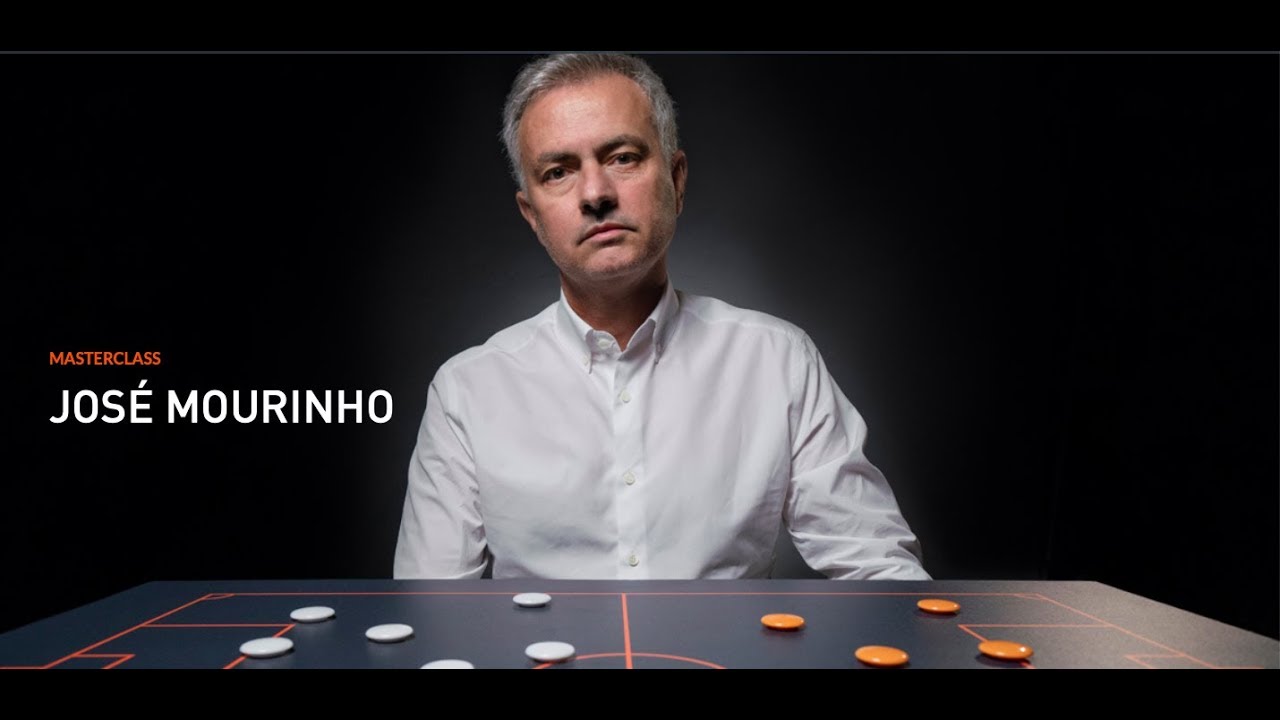
José Mourinho. The name itself evokes images of tactical brilliance, unwavering confidence, and, above all, success. While his managerial career has seen its share of controversies and dramatic moments, one thing remains undeniable: his prowess in the UEFA Champions League. But what exactly is it about Mourinho’s approach that has allowed him to conquer Europe’s most prestigious club competition not once, but twice, with two different clubs? This article delves deep into the Mourinho UCL philosophy, unpacking the strategies, mindset, and key moments that define his Champions League triumphs.
Mourinho’s Champions League journey is a testament to his adaptability and tactical acumen. He doesn’t adhere to a single, rigid system; instead, he tailors his approach to the strengths and weaknesses of his team, as well as the specific challenges posed by each opponent. This adaptability is a cornerstone of his success. Let’s explore the key elements that form the bedrock of his UCL philosophy.
The Foundation: Pragmatism and Defensive Solidity
At the heart of Mourinho’s tactical approach lies a deep-rooted pragmatism. He prioritizes results over aesthetics, often employing a defensively solid and tactically disciplined system. This doesn’t necessarily mean ‘parking the bus,’ as his critics often claim, but rather a calculated approach that emphasizes minimizing risks and exploiting opponent vulnerabilities. He understands that in the Champions League, away goals are gold, and clean sheets are invaluable.
Mourinho’s teams are typically characterized by their organizational discipline, relentless work ethic, and ability to defend deep and narrow. This defensive solidity provides the platform for attacking opportunities, often through quick counter-attacks or set-pieces. He drills his players meticulously, ensuring they understand their roles and responsibilities within the system.
The Counter-Attack: A Deadly Weapon
While defensive solidity is crucial, Mourinho’s teams are far from purely defensive. The counter-attack is a key weapon in his arsenal. He identifies players with pace, skill, and the ability to transition quickly from defense to attack. These players are given the freedom to exploit spaces left by the opposition, often catching them off guard with lightning-fast breaks.
Players like Cristiano Ronaldo, Arjen Robben, and Samuel Eto’o have thrived under Mourinho’s guidance, showcasing their ability to punish opponents on the counter. He creates a system that maximizes their attacking potential while maintaining defensive stability.
Psychological Warfare: Mind Games and Motivation
Mourinho is renowned for his mastery of psychological warfare. He understands the importance of getting inside the heads of his opponents, both on and off the pitch. He uses press conferences and interviews to create a narrative that favors his team, often deflecting pressure and unsettling the opposition.
He is also a master motivator, able to instill a sense of belief and determination in his players. He creates a siege mentality, fostering a strong bond between the players and staff. This sense of unity and purpose is crucial in overcoming the challenges of the Champions League.
Key Examples of Mourinho’s UCL Success
To truly understand Mourinho’s UCL philosophy, it’s essential to examine his two Champions League triumphs: with Porto in 2004 and Inter Milan in 2010.
Porto (2004): The Underdog Story
Mourinho’s triumph with Porto in 2004 is arguably his most remarkable achievement. He took a relatively unknown team and transformed them into European champions, defying all expectations. Porto’s success was built on a foundation of defensive organization, tactical discipline, and a never-say-die attitude.
They defeated Manchester United, Lyon, and Monaco on their way to the final, showcasing their ability to overcome more established and experienced teams. Mourinho’s tactical flexibility and motivational skills were instrumental in Porto’s unlikely triumph.
Inter Milan (2010): The Tactical Masterpiece
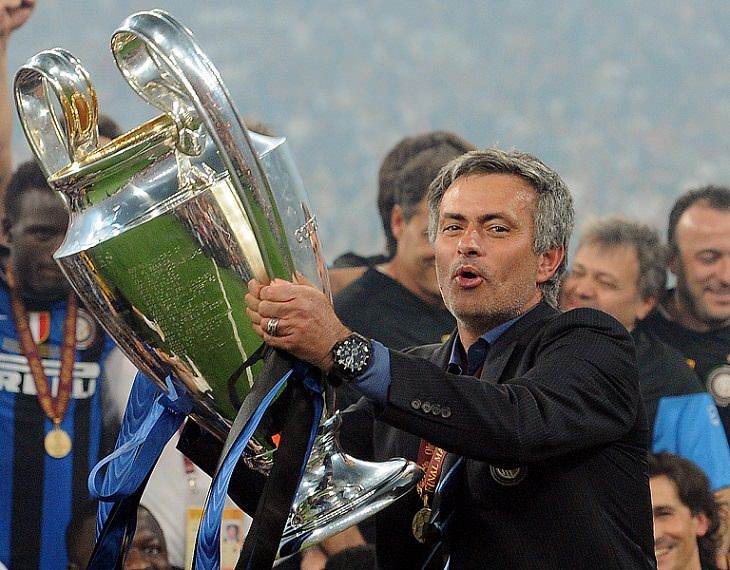
Mourinho’s Champions League victory with Inter Milan in 2010 was a tactical masterpiece. He assembled a team of experienced players, including Wesley Sneijder, Diego Milito, and Samuel Eto’o, and crafted a system that maximized their individual strengths while maintaining defensive solidity.
The Mourinho Legacy: A Lasting Impact on the Game
José Mourinho’s impact on the Champions League extends beyond his two titles. He has influenced a generation of coaches and players with his tactical innovations, motivational techniques, and unwavering belief in his own abilities. His emphasis on defensive organization, counter-attacking football, and psychological warfare has become increasingly prevalent in the modern game.
While his style of play may not always be the most aesthetically pleasing, it is undeniably effective. He has proven time and again that pragmatism and tactical discipline can be just as important as attacking flair in achieving success in the Champions League.
Criticisms and Controversies
Despite his success, Mourinho’s UCL journey hasn’t been without its critics and controversies. His pragmatic approach has often been criticized as being too defensive and negative, particularly when playing against more attacking-minded teams.
He has also been involved in numerous clashes with referees, opponents, and the media, further adding to his controversial image. However, even his detractors cannot deny his tactical brilliance and his ability to get the best out of his players.
Adapting to the Modern Game
The game has evolved significantly since Mourinho’s Champions League triumphs with Porto and Inter Milan. The emphasis on possession-based football and high-pressing tactics has increased, requiring managers to adapt their strategies accordingly.
Mourinho has shown a willingness to adapt his approach in recent years, incorporating more attacking elements into his teams’ play. However, his core principles of defensive solidity and tactical discipline remain fundamental to his philosophy.
The Future of Mourinho in the Champions League
While Mourinho’s recent managerial stints have been less successful than his earlier years, he remains a force to be reckoned with in the world of football. His experience, tactical knowledge, and motivational skills make him a valuable asset to any team with Champions League aspirations.
Whether he will add to his Champions League trophy haul remains to be seen, but one thing is certain: José Mourinho will continue to be a compelling and influential figure in the competition for years to come.
Key Takeaways from Mourinho’s UCL Philosophy
- Pragmatism over Aesthetics: Prioritizing results and minimizing risks.
- Defensive Solidity: Building a strong defensive foundation.
- Counter-Attacking Prowess: Exploiting opponent vulnerabilities with quick breaks.
- Psychological Warfare: Getting inside the heads of opponents.
- Adaptability: Tailoring tactics to specific opponents and situations.
In conclusion, José Mourinho’s Champions League philosophy is a complex and multifaceted approach that combines tactical brilliance, psychological warfare, and unwavering belief. His pragmatism, defensive solidity, and counter-attacking prowess have allowed him to conquer Europe’s most prestigious club competition twice, with two different clubs. While his style of play may not always be the most aesthetically pleasing, it is undeniably effective. Mourinho’s legacy as one of the greatest Champions League managers of all time is secure.
Mourinho’s success isn’t just about tactics; it’s about understanding the nuances of the game, motivating players, and creating a winning mentality. His ability to adapt to different challenges and exploit opponent weaknesses is what sets him apart. He’s a master strategist, a shrewd psychologist, and a relentless competitor – all qualities that have contributed to his Champions League triumphs. His methods will continue to be studied and debated for years to come, cementing his place in football history.
Ultimately, Mourinho’s UCL legacy is one of resilience, innovation, and a relentless pursuit of victory. He has shown that with the right blend of tactical acumen, psychological strength, and unwavering belief, even the most daunting challenges can be overcome. His story serves as an inspiration to aspiring managers and players alike, reminding them that anything is possible with hard work, dedication, and a touch of Mourinho magic.

Never Miss a Goal: The Ultimate Guide to Live UCL Scores & Matchday Insights
Decoding Mourinho’s UCL Masterpieces: The Tactical Brilliance Behind His Best Teams
Decoding Mourinho: A Tactical Masterclass in Champions League Domination
About The Author
