Champions League Stats: Decoding the Data Behind the Dominance
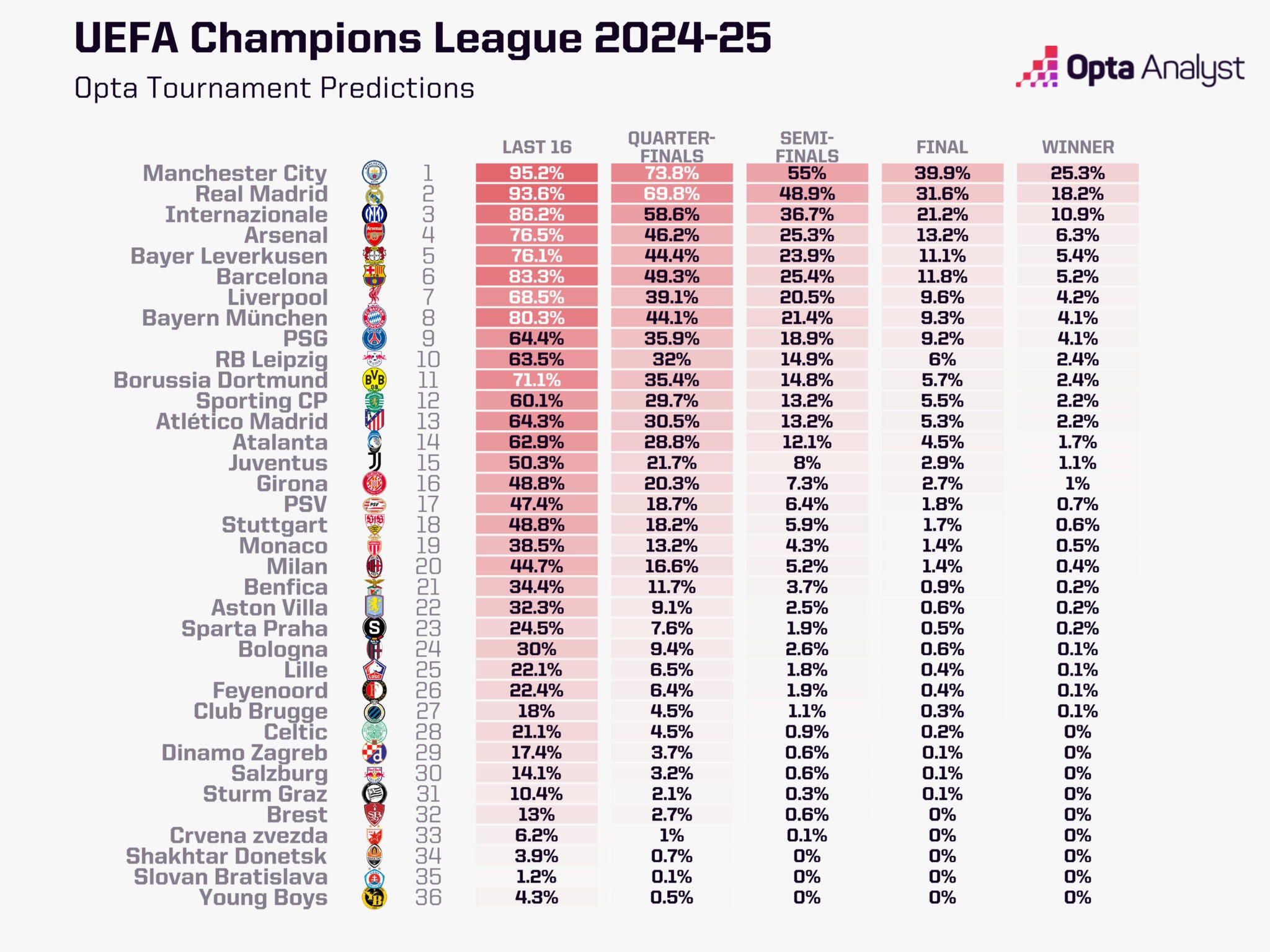
The UEFA Champions League isn’t just a football tournament; it’s a crucible where legends are forged, dreams are realized, and the finest clubs in Europe battle for ultimate supremacy. Year after year, certain teams consistently rise to the top, etching their names into history. But what truly separates the perennial contenders from the fleeting challengers? Is it merely raw talent, or is there a deeper, data-driven narrative at play? We dive into the compelling world of Champions League statistics to decode the very essence of dominance.
Beyond the roar of the crowd and the brilliance of individual moments, a treasure trove of data underpins every pass, tackle, and goal. Modern football analytics offers an unprecedented lens through which to understand performance, identify trends, and even predict potential outcomes. Join us as we pull back the curtain on the numbers that define success in Europe’s elite club competition.
The Giants’ Reign: Unpacking Historical Dominance
Consider their record in knockout stages: an unparalleled win rate, often characterized by a knack for scoring crucial away goals and a defensive solidity that tightens in the most critical moments. Barcelona, Bayern Munich, and AC Milan also feature prominently, each with distinct statistical profiles that contribute to their storied histories. These clubs don’t just win; they establish patterns of victory.
Consistency in Final Appearances: The sheer number of times these clubs reach the final speaks volumes. It’s not just about winning once, but about building squads and tactical systems capable of sustained excellence across multiple seasons, enduring the rigors of domestic and European campaigns.
Attacking Prowess: Goals, Assists, and Clinical Finishing
Football is, at its heart, about scoring goals. The Champions League showcases the very best attacking talent on the planet. Cristiano Ronaldo and Lionel Messi lead the all-time scoring charts by a significant margin, their numbers almost defy belief. But beyond individual brilliance, what team-level attacking statistics are crucial for deep tournament runs?
Teams that dominate possession often create more chances, but sheer volume isn’t enough. Expected Goals (xG) has become an invaluable metric, indicating the quality of scoring opportunities. Clubs with a high xG conversion rate demonstrate clinical finishing – the ability to turn good chances into goals, a hallmark of Champions League winners.
Furthermore, the diversity of goal-scoring sources is vital. Relying on just one star striker can be risky. Successful teams often see contributions from midfielders, wingers, and even defenders from set pieces. Data reveals patterns in goal distribution, showing how broad attacking threats keep opponents guessing and stretch defenses thin.
- Top Scorers: Analyzing the prolificacy of players like Lewandowski, Benzema, and Haaland reveals their consistent ability to find the net against Europe’s best defenses.
- Assists & Key Passes: The architects of goals, players like Kevin De Bruyne and Toni Kroos, provide the creative spark. Their assist numbers and key passes per game are critical indicators of attacking flow.
- Shot Conversion Rate: This metric directly highlights efficiency. Teams that convert a higher percentage of their shots are often more successful, demonstrating composure and precision in front of goal.
Defensive Fortitude: The Unsung Heroes
While goals win games, defenses win championships. The Champions League, especially in the knockout rounds, often becomes a battle of attrition. A solid defensive unit is non-negotiable for success. What statistics illuminate defensive excellence?
Clean sheets are an obvious indicator, but deeper metrics tell a more comprehensive story. Tackles won, interceptions, blocks, and aerial duel success rates reveal the resilience and organizational prowess of a defense. Goalkeepers with high save percentages and command of their area are also invaluable, acting as the last line of defense.
Consider the tactical discipline required to maintain a low Expected Goals Against (xGA). This metric measures the quality of chances conceded to opponents. Teams that consistently limit high-quality scoring opportunities for their adversaries are inherently difficult to beat, a common trait among Champions League finalists.
Midfield Mastery: The Engine Room’s Influence
The midfield is often referred to as the engine room of a football team, and for good reason. It’s where battles are won and lost, where possession is controlled, and where attacks are launched or stifled. Statistical analysis of midfield play offers profound insights into a team’s control and tempo.
Pass completion rates, especially in the opposition half, indicate a team’s ability to maintain possession and build pressure. Progressive passes – passes that move the ball significantly closer to the opponent’s goal – highlight creative intent and penetration. Players like Luka Modric and Xavi Hernández defined eras with their passing mastery.
Defensive midfielders, on the other hand, excel in ball recoveries, interceptions, and tackling. Their ability to break up play and shield the defense is critical. Data on these actions reveals the unsung heroes who provide the foundation for both defensive stability and attacking transitions.
Tactical Trends: Evolution of Playstyles
The Champions League is a melting pot of tactical philosophies. From Jürgen Klopp’s high-octane ‘Gegenpressing’ to Pep Guardiola’s intricate ‘Tiki-Taka,’ managers constantly evolve their approaches. Data plays a crucial role in both developing and countering these tactics.
Analysis of pressing intensity (PPDA – Passes Per Defensive Action) can show how aggressively a team hunts the ball. High PPDA indicates a high press, aiming to win the ball back quickly. Conversely, teams employing a low block might have a higher PPDA, inviting pressure before striking on the counter.
The trend towards versatile players capable of operating in multiple positions is also data-driven. Managers look for players who can contribute across various metrics – not just goals, but also defensive contributions, progressive carrying, and aerial prowess. This adaptability allows for greater tactical flexibility during games and across tournaments.
The Underdog Story: When Data Defies Expectations
While statistics often favor the established elite, the Champions League occasionally delivers stunning underdog triumphs. Porto’s victory in 2004 under José Mourinho or Chelsea’s improbable win in 2012 are prime examples. How do these teams defy the statistical odds?
Often, these ‘underdogs’ don’t necessarily dominate every statistical category but excel in specific, critical areas. For instance, Chelsea’s 2012 campaign was characterized by exceptional defensive organization, clinical counter-attacking, and remarkable resilience in penalty shootouts – all quantifiable strengths, even if overall possession or shots on target were lower.
Data can highlight a team’s ‘clutch’ performance – their ability to convert chances or make crucial saves in high-pressure situations, or their effectiveness in set-piece situations. These specific strengths, when maximized, can sometimes overcome broader statistical disparities against wealthier, more star-studded opponents.
Financial Muscle vs. Sporting Genius: The Data Divide
It’s no secret that financial power often correlates with Champions League success. Clubs with larger revenues can attract top talent, invest in world-class facilities, and build deeper squads. However, data also shows instances where shrewd management and intelligent recruitment can bridge this financial gap.
Clubs like Borussia Dortmund, while not Champions League winners in recent years, consistently compete by identifying and developing young talent, often using advanced scouting data to pinpoint future stars before they become prohibitively expensive. Their performance metrics often punch above their financial weight.
The ability to maximize squad efficiency, prevent injuries through sports science data, and adapt tactics to opponent weaknesses are all ways that ‘sporting genius’ can challenge ‘financial muscle.’ Data helps level the playing field, providing insights that can be leveraged by any club with the right analytical approach.
In conclusion, the UEFA Champions League is a complex tapestry woven with individual brilliance, tactical innovation, and an unwavering will to win. While the magic of the game will always captivate us, a deeper dive into the statistics reveals the intricate patterns and crucial performance indicators that truly drive dominance.
From the historical reign of the giants to the tactical evolution shaping modern football, data provides the essential framework for understanding success. It highlights the importance of balanced squads, clinical execution in both attack and defense, and the adaptive genius of managers. The next time you watch a Champions League match, remember: behind every breathtaking moment lies a wealth of data, silently decoding the path to glory.

Kings of Europe or a Fading Dynasty? Assessing Real Madrid’s Champions League Contention

Unlocking European Glory: An In-Depth Look at Benfica’s Champions League Form

Real Madrid’s Champions League Tightrope: Are Los Blancos Facing Unprecedented Trouble?
About The Author
