Champions League Playoffs: The Ultimate Test of Strength
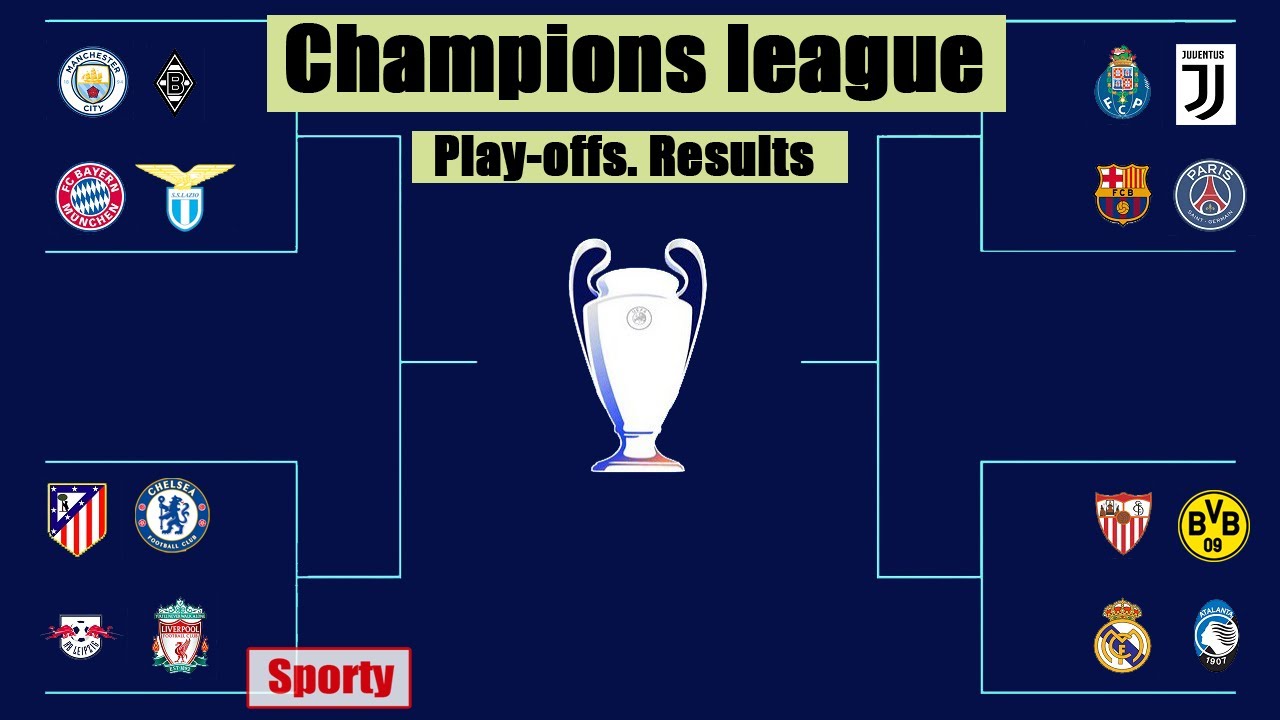
The roar of the crowd, the tension in the air, the sheer weight of history – these are the hallmarks of the UEFA Champions League. But as the group stages conclude and the dust settles, a new, more perilous chapter begins: the playoffs. This is where dreams are forged and shattered, where the finest footballing clubs on the continent engage in a brutal, high-stakes dance for supremacy. The Champions League playoffs are not merely a series of matches; they are the ultimate test of strength, a crucible that separates the pretenders from the true champions.
From the initial knockout rounds to the nail-biting final, each stage of the playoffs presents unique challenges. It’s a journey fraught with peril, demanding not just individual brilliance but also tactical nous, unwavering team cohesion, and an indomitable spirit. The pressure cooker environment amplifies every mistake, every moment of magic, making these encounters some of the most compelling spectacles in all of sport.
The allure of the Champions League trophy is immense, driving clubs to invest heavily and push their players to the absolute limit. The playoffs represent the culmination of an entire season’s worth of effort, the moment where all the hard work, tactical preparation, and strategic planning come to fruition. It’s here that legendary status is earned and the annals of football history are written.
The Gauntlet Begins: Navigating the Knockout Rounds
The transition from group stage football to the cut-and-thrust of the playoffs is always a significant one. Gone are the days of second chances; here, every match is a final. The first hurdle, often the Round of 16, sets the tone for the remainder of the competition. Teams that have navigated the group stages with relative ease suddenly find themselves facing opponents of equal, if not superior, caliber.
The Importance of the First Leg
The first leg of a playoff tie is often a delicate balancing act. Teams are keen to establish an advantage, but the fear of conceding an away goal or falling behind on aggregate looms large. Managers meticulously plan their approach, aiming to control the game, minimize risks, and perhaps land a crucial away goal that could prove decisive later. It’s a strategic chess match played out on grass.
Adapting to Different Styles
The playoffs bring together teams from diverse leagues, each with its own tactical identity and playing style. A team might face a possession-based powerhouse one round and a defensively astute counter-attacking unit the next. The ability to adapt, to switch formations, and to exploit the opponent’s weaknesses becomes paramount. Flexibility is not just an advantage; it’s a necessity for survival.
The Mid-Tournament Pressure Cooker: Quarter-finals and Semi-finals
As the competition progresses, the stakes escalate dramatically. The quarter-finals and semi-finals are often where the true giants of European football collide. These ties are typically tighter, more intense, and more emotionally charged than any encountered previously. The dream of reaching the final, and lifting that coveted trophy, becomes palpably closer, intensifying the pressure on players and managers alike.
Mastering the Two-Legged Tie
The two-legged format of the playoffs is a unique test of a team’s resilience and tactical depth. Success requires not only winning individual matches but also managing the aggregate scoreline across 180 minutes. Teams must be disciplined defensively, clinical in attack, and mentally strong enough to overcome setbacks within a single tie.
The Role of Experience
In these high-pressure encounters, experience often plays a crucial role. Teams and players who have navigated similar situations in previous Champions League campaigns often possess a calmness and clarity that can be invaluable. They understand the ebb and flow of a two-legged tie and are less likely to be overwhelmed by the magnitude of the occasion.
The Impact of Away Goals
While the away goals rule has seen modifications, its influence on playoff ties remains significant. Scoring on the road can provide a psychological edge and a crucial advantage heading into the home leg. Conversely, conceding at home can put a team under immense pressure to perform away from their familiar surroundings.
The Pinnacle: The Champions League Final
Preparing for a Single Match Showdown
Unlike the two-legged ties, the final is a one-off event. This means that tactical preparations must be precise, and every moment counts. There’s no room for error, no second chances. Teams must be at their absolute best from the first whistle to the last.
Mental Fortitude on the Grandest Stage
The Legacy of Champions
Winning the Champions League final etches a team’s name into footballing immortality. It’s the pinnacle of club achievement, a reward for a season of dedication, skill, and perseverance. The players become legends, and the club is forever recognized as one of Europe’s elite.
Key Factors for Playoff Success
Beyond raw talent, several key factors contribute to success in the Champions League playoffs. These elements often differentiate the teams that go deep in the competition from those that fall by the wayside.
Squad Depth and Versatility
The demands of the Champions League playoffs, with multiple high-intensity matches in quick succession, require a deep and versatile squad. Teams need quality players to rotate, cover injuries, and adapt to different tactical approaches. A strong bench is often as important as the starting eleven.
Tactical Flexibility
The ability to adapt tactics based on the opponent and the game situation is crucial. Managers must be able to implement different game plans, switch formations, and make effective in-game adjustments. Rigidity can be a fatal flaw in the knockout stages.
Experience and Composure
Defensive Solidity
While attacking prowess often grabs the headlines, a strong defense is the bedrock of any successful playoff campaign. Conceding fewer goals, particularly at home, provides a vital platform for attacking players to build upon. Defensive organization and individual resilience are key.
Clinical Finishing
In tightly contested playoff matches, chances can be few and far between. The ability to convert the opportunities that arise is paramount. Teams that are clinical in front of goal are far more likely to progress than those that spurn their chances.
Psychological Strength
The Champions League playoffs are as much a mental battle as a physical one. Teams must be resilient in the face of adversity, able to bounce back from setbacks, and maintain focus throughout 180 minutes of intense competition. Belief and a winning mentality are indispensable.
Conclusion: The Unmatched Spectacle of Champions League Playoffs


Real Madrid’s Champions League Domination: An Unrivaled Legacy
The Champions League Revolution: Understanding the New Playoff Format and Its Massive Implications

Champions League Table Projections: Who Will Qualify for the Knockout Stage?
About The Author
