Benfica’s Champions League Record: Glory, The Curse, and The Future
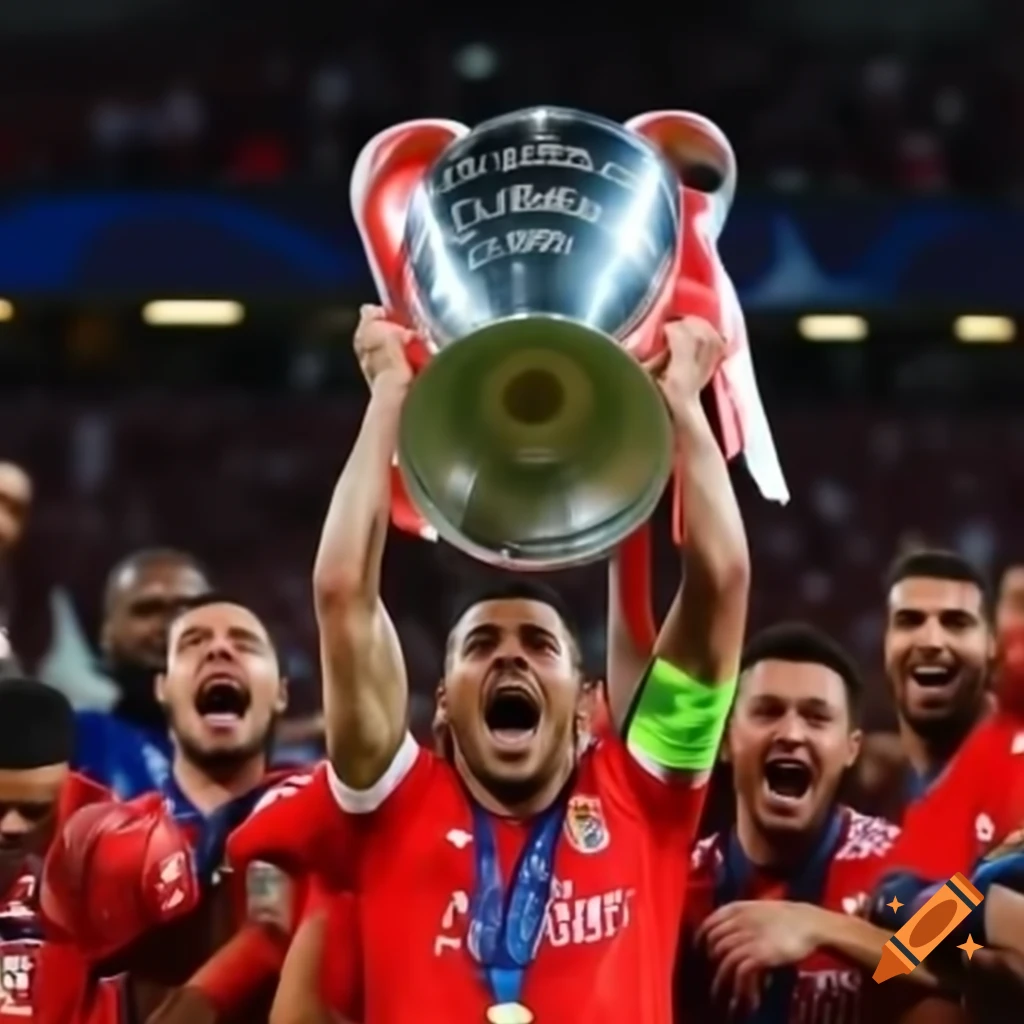
When discussing the aristocracy of European football, few names carry the weight, history, and romanticism of Sport Lisboa e Benfica. The Portuguese giants are not merely a football club; they are an institution that helped shape the early narrative of the European Cup, now known as the UEFA Champions League. Their journey through Europe’s elite competition is a cinematic saga filled with euphoric highs, devastating lows, and a supernatural legend that continues to haunt the hallways of the Estádio da Luz.
For football historians and fans alike, analyzing Benfica’s Champions League record offers more than just statistics; it provides a window into the evolution of the sport itself. From ending Real Madrid’s early monopoly to developing some of the 21st century’s most expensive talents, the Eagles have remained a constant presence on the continental stage. But how does their historical record stack up against the modern superpowers?
This comprehensive overview delves deep into the archives, examining the golden era of the 1960s, the brilliance of the Black Panther, the infamous Guttmann curse, and the club’s resilience in the modern Champions League era.
The Golden Era: Breaking the Spanish Hegemony
To understand the magnitude of Benfica’s legacy, one must rewind to the early 1960s. At the inception of the European Cup, Real Madrid was an unstoppable force, winning the first five editions of the tournament. The continent was waiting for a challenger capable of toppling the Spanish giants. That challenger rose from Lisbon.
Under the tactical genius of Hungarian coach Béla Guttmann, Benfica assembled a squad that blended tactical discipline with flair. In the 1960-1961 season, they reached the final in Bern to face Barcelona. In a thrilling encounter, Benfica emerged victorious with a 3-2 win, becoming the first Portuguese side to lift the prestigious trophy and the first team other than Real Madrid to do so.
However, it was the following year, 1962, that truly cemented their legendary status. Facing the mighty Real Madrid—led by Di Stéfano and Puskás—in Amsterdam, Benfica found themselves trailing. Enter the rising star, Eusébio. In a performance that would define his career, the young forward helped overturn the deficit, leading Benfica to a stunning 5-3 victory. They were back-to-back champions, and it seemed a new dynasty had been born.
The Shadow of Béla Guttmann: A European Curse?
The story of Benfica cannot be told without addressing the elephant in the room: The Guttmann Curse. Following the 1962 triumph, Béla Guttmann approached the board for a pay rise. He was turned down. On his departure, he allegedly uttered the now-infamous words: ‘Not in a hundred years from now will Benfica ever be European champion.’
At the time, it was dismissed as the frustration of a departing manager. Decades later, it feels like a prophecy written in stone. Since that day in 1962, Benfica has reached eight European finals (five in the European Cup/Champions League and three in the UEFA Cup/Europa League)—and they have lost every single one of them.
The Heartbreak of the Finals
The curse seemed to take hold almost immediately. In 1963, they lost the final to AC Milan. In 1965, they fell to Inter Milan. In 1968, Manchester United defeated them in extra time at Wembley. The dominance of the 60s had produced two trophies, but the missed opportunities were beginning to pile up.
The pain continued into the late 80s and 90s. The 1988 final against PSV Eindhoven ended in a penalty shootout heartbreak. Two years later, in 1990, they faced AC Milan again in Vienna. Before the match, Eusébio famously visited Guttmann’s grave in the city to pray for the curse to be lifted. It was to no avail; Benfica lost 1-0.
The Eusébio Factor: A Legacy Beyond Trophies
While the lack of silverware post-1962 is a sore point, the individual brilliance of Eusébio da Silva Ferreira remains the club’s proudest banner in Champions League history. The ‘Black Panther’ was not just a Benfica legend; he was the first global African superstar in football.
Eusébio was the top scorer in the European Cup three times (1965, 1966, and 1968). His agility, terrifyingly powerful shot, and sportsmanship made Benfica a feared opponent across the continent. He finished his career with 46 goals in the European Cup, a statistic that keeps him among the elite scorers in the competition’s history, even decades after his retirement.
His legacy ensures that Benfica’s name is mentioned with reverence. When modern analysts look at Benfica’s historical record, Eusébio’s era provides the statistical weight that keeps them in the conversation of Europe’s top 10 historically significant clubs.
The Modern Era: Transition to the Champions League
The rebranding of the European Cup to the UEFA Champions League in 1992 brought significant changes to the financial landscape of football. As TV rights exploded, leagues in England, Spain, Italy, and Germany gained a financial advantage that made it difficult for Portuguese clubs to compete consistently for the title.
Despite this, Benfica has remained a fixture in the competition. They are among the clubs with the most participations in the tournament’s history. While they haven’t reached a final in the modern Champions League era, they have had notable campaigns that defied the odds.
Quarter-Final Regulars
In recent years, Benfica has re-established itself as a team capable of reaching the knockout stages. The 2021-2022 and 2022-2023 seasons were particularly impressive. Under managers like Nelson Veríssimo and later Roger Schmidt, the Eagles soared to back-to-back quarter-finals.
In the 2022-23 campaign, they topped a group containing Paris Saint-Germain and Juventus—a feat that shocked European pundits. They played a brand of high-intensity, attacking football that reminded fans of the club’s glorious past, proving that smart scouting and tactical coherence can still disrupt the hierarchy of the super-rich clubs.
Benfica as the Ultimate Talent Incubator
To understand Benfica’s modern Champions League record, one must analyze their business model. They have become arguably the world’s best ‘talent factory.’ Their ability to compete in Europe is even more impressive considering they routinely sell their best players to Premier League and La Liga giants.
- João Félix: Sold to Atlético Madrid for €126m.
- Enzo Fernández: Sold to Chelsea for €121m.
- Darwin Núñez: Sold to Liverpool for €85m.
- Rúben Dias: Sold to Manchester City for €71m.
This revolving door of talent makes sustained Champions League success difficult, as the squad is in a constant state of rebuild. Yet, their scouting network allows them to reload and remain competitive, ensuring they are almost always present in the group stages and frequently pushing into the Round of 16 and beyond.
Statistical Overview and Key Records
When looking at the raw data, Benfica’s footprint in the competition is massive. They sit comfortably within the top 10 of the all-time European Cup/Champions League table based on points won (if 3 points were awarded for a win historically).
Their home ground, the Estádio da Luz, is a fortress where even the best teams struggle. The atmosphere on European nights is electric, often cited by visiting players as one of the most intimidating venues in world football. This home advantage has been crucial in their ability to secure points against financially superior opposition.
Conclusion: A Sleeping Giant or a Persistent Contender?
Benfica’s Champions League record is a tale of two distinct eras: the dominance of the 1960s and the resilience of the modern day. While the Guttmann Curse serves as a mystical explanation for their final defeats, the reality is that Benfica has maintained a level of consistency that few clubs outside the ‘Big Five’ leagues can match.
They are a club that respects its history but is not paralyzed by it. By consistently qualifying for the tournament, topping difficult groups, and developing world-class talent, Benfica keeps the dream alive. The fans believe that one day, the curse will break, and the Eagles will once again perch atop the summit of European football. Until then, they remain one of the competition’s most historic and respected competitors.

Benfica vs. Real Madrid: Unveiling the Tactical Masterclass

Mourinho: The Special One’s Champions League Masterclasses – A Tactical Deep Dive

Benfica’s UCL Odyssey: Can the Eagles Soar to European Glory?
About The Author
