Benfica vs Real Madrid: Unraveling the Head-to-Head Legacy of European Giants
In the annals of European football, few rivalries evoke such a sense of grandeur, history, and pure sporting drama as that between Portuguese powerhouse SL Benfica and Spanish behemoth Real Madrid. These are not just clubs; they are institutions, symbols of national pride and continental dominance. But when these two giants collide, who truly comes out on top?
This isn’t merely a question of statistics; it’s an exploration of legacies, a journey through time to witness battles fought by legends, tactical masterclasses, and moments that have shaped the very fabric of the beautiful game.
Prepare to delve into a comprehensive analysis that transcends simple win-loss records, examining the heart, soul, and strategic brilliance that has defined every encounter between the Eagles and the Los Blancos.
A Storied Past: The Genesis of a European Rivalry
The rivalry between Benfica and Real Madrid is steeped in the golden age of European club football. Both clubs were pioneers, pushing the boundaries of what was possible on the continental stage, consistently reaching the latter stages of the most prestigious competition.
Their paths, almost inevitably, crossed during pivotal moments, creating a narrative rich with drama and unforgettable contests. These were not mere matches; they were declarations of intent, statements of supremacy.
The very mention of their names together ignites memories of classic encounters, particularly those from the early 1960s, a period that truly defined their competitive spirit.
The Defining Clash: 1962 European Cup Final
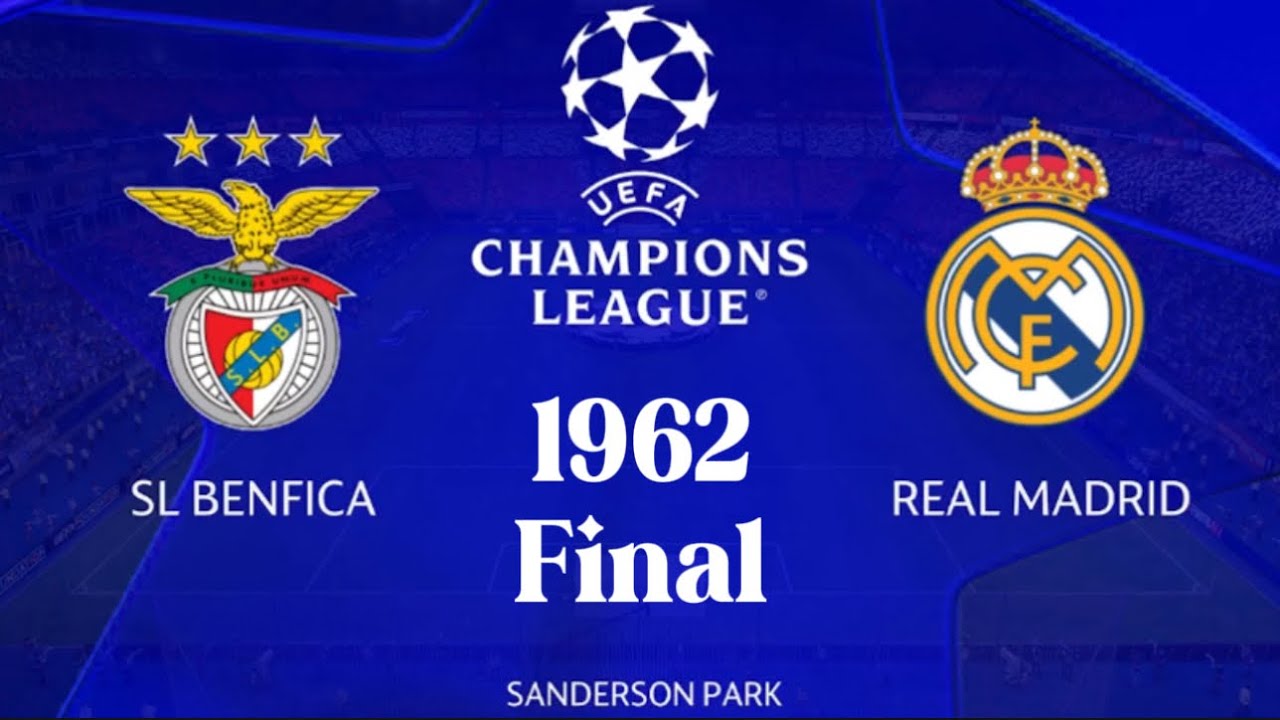
Undoubtedly, the most iconic and often-cited encounter between Benfica and Real Madrid is the 1962 European Cup Final held in Amsterdam. This match was more than just a final; it was a symbolic passing of the torch, a clash between the established kings and the rising challengers.
Real Madrid, having won five consecutive European Cups in the late 1950s, were still a formidable force, boasting legends like Alfredo Di Stéfano and Ferenc Puskás. Benfica, under the astute guidance of Béla Guttmann, had just claimed their first European title the previous year and were eager to solidify their new reign.
The game itself was a breathtaking spectacle, a back-and-forth thriller that saw Puskás net a hat-trick for Real Madrid, only for Benfica’s electrifying talent, Eusébio, to inspire a stunning comeback. It was a contest of wills, skill, and sheer determination.
Benfica ultimately triumphed 5-3, securing their second consecutive European Cup. This victory was monumental, not only for the club but for Portuguese football, marking a significant moment in the shift of power in European football.
Beyond the Final: A Look at Their Competitive Head-to-Head Record
While the 1962 final remains the benchmark, it’s crucial to examine their overall competitive record to paint a complete picture. Their encounters have been relatively few in competitive settings, making each one all the more significant.
Across all competitive matches, including the European Cup/Champions League, the head-to-head statistics lean in favor of Real Madrid. However, it’s important to note the context and era in which these games were played.
Real Madrid’s Dominance in Later Stages: While Benfica secured a famous final victory, Real Madrid have historically managed to overcome the Portuguese side in other knockout stages, showcasing their enduring strength and pedigree in continental competitions.
The aggregate scores from two-legged ties often tell a different story than single-match finals, reflecting consistency and tactical depth over a longer period.
Clash of Titans: Iconic Players Who Graced These Matches
The allure of Benfica vs. Real Madrid extends beyond team statistics to the individual brilliance of the players who graced these hallowed turf. Each club has produced a pantheon of footballing deities.
For Benfica, the undisputed king is Eusébio. His electrifying pace, powerful shot, and incredible goal-scoring ability made him a global superstar. He was the spearhead of that magnificent Benfica side, a true ‘Black Panther’ who terrorized defenses.
Other Benfica legends like Mário Coluna, José Águas, and Costa Pereira were integral to their European successes, forming a formidable unit that combined flair with resilience.
On the Real Madrid side, names like Alfredo Di Stéfano, the ‘Blonde Arrow,’ are synonymous with footballing royalty. His all-encompassing play, leadership, and goal-scoring prowess defined an era of unprecedented success for Los Blancos.
Ferenc Puskás, Francisco Gento, and Raymond Kopa also stand out as titans of the game, their skills combining to create an unstoppable force that dominated Europe for years. Their encounters with Benfica were a testament to the highest echelons of individual talent.
Tactical Battles and Evolving Philosophies
The tactical approaches of Benfica and Real Madrid have always reflected the prevailing footballing philosophies of their respective eras. Benfica, particularly in their golden age, were known for their attacking verve, fluid movement, and clinical finishing.
They played with a certain swagger, a directness that was often breathtaking to watch, prioritizing offensive output and overwhelming opponents with their relentless pressure.
Real Madrid, throughout their history, have often embraced a star-studded approach, built around individual brilliance and a winning mentality. Their teams have ranged from the dominant, all-conquering sides of the 50s and 60s to the ‘Galácticos’ era, always with an emphasis on technical quality and decisive moments.
Modern tactical considerations would involve high pressing, sophisticated build-up play, and robust defensive structures, a far cry from the more open, direct football of yesteryear. Yet, the core principles of exploiting weaknesses and maximizing strengths remain.
The Enduring Legacy and Future Encounters
While competitive matches between Benfica and Real Madrid have been infrequent in recent decades, the memory of their historical clashes continues to resonate. Both clubs maintain their status as European heavyweights, consistently competing in the Champions League.
A hypothetical modern encounter would be a fascinating spectacle, pitting Benfica’s blend of homegrown talent and shrewd signings against Real Madrid’s perennial quest for elite superstars and Champions League glory.
It would be a battle of contrasting styles, potentially showcasing Benfica’s tactical discipline and rapid transitions against Real Madrid’s technical superiority and big-game experience.
The passion of their respective fan bases, the iconic stadiums – the Estádio da Luz and the Santiago Bernabéu – and the weight of history would ensure any future clash would be a truly unmissable event.
Conclusion: Who Comes Out on Top?
When we ask who comes out on top in the Benfica vs. Real Madrid head-to-head, the answer is nuanced. Historically, in terms of sheer competitive wins across all formats, Real Madrid holds a slight edge, a testament to their unparalleled European pedigree.
However, Benfica’s iconic victory in the 1962 European Cup Final remains a pivotal moment, a singular triumph that symbolizes their ability to challenge and defeat the very best, even at the peak of their powers.
Therefore, while Real Madrid’s overall competitive record against Benfica might be marginally superior, the narrative is far richer than simple numbers. Benfica’s defining final victory against a legendary Real Madrid side ensures their place in history as formidable opponents who, at a crucial moment, unequivocally came out on top.
Ultimately, the true winners of this enduring rivalry are the fans of football itself, blessed with memories of classic encounters, legendary players, and a testament to the beautiful game’s power to create unforgettable drama.
Both clubs have etched their names into the fabric of European football, and their head-to-head legacy serves as a powerful reminder of an era when giants truly roamed the pitch, leaving an indelible mark for generations to admire.


Anatoliy Trubin: The Ukrainian Wall Guarding Benfica’s Ambitions

Benfica vs. Real Madrid: Unveiling the Tactical Masterclass
UCL Standings Explained: Unlock the Secrets Behind Every Team’s Position
About The Author
