Real Madrid’s Unrivaled Legacy: Reliving Their Champions League Greatest Triumphs
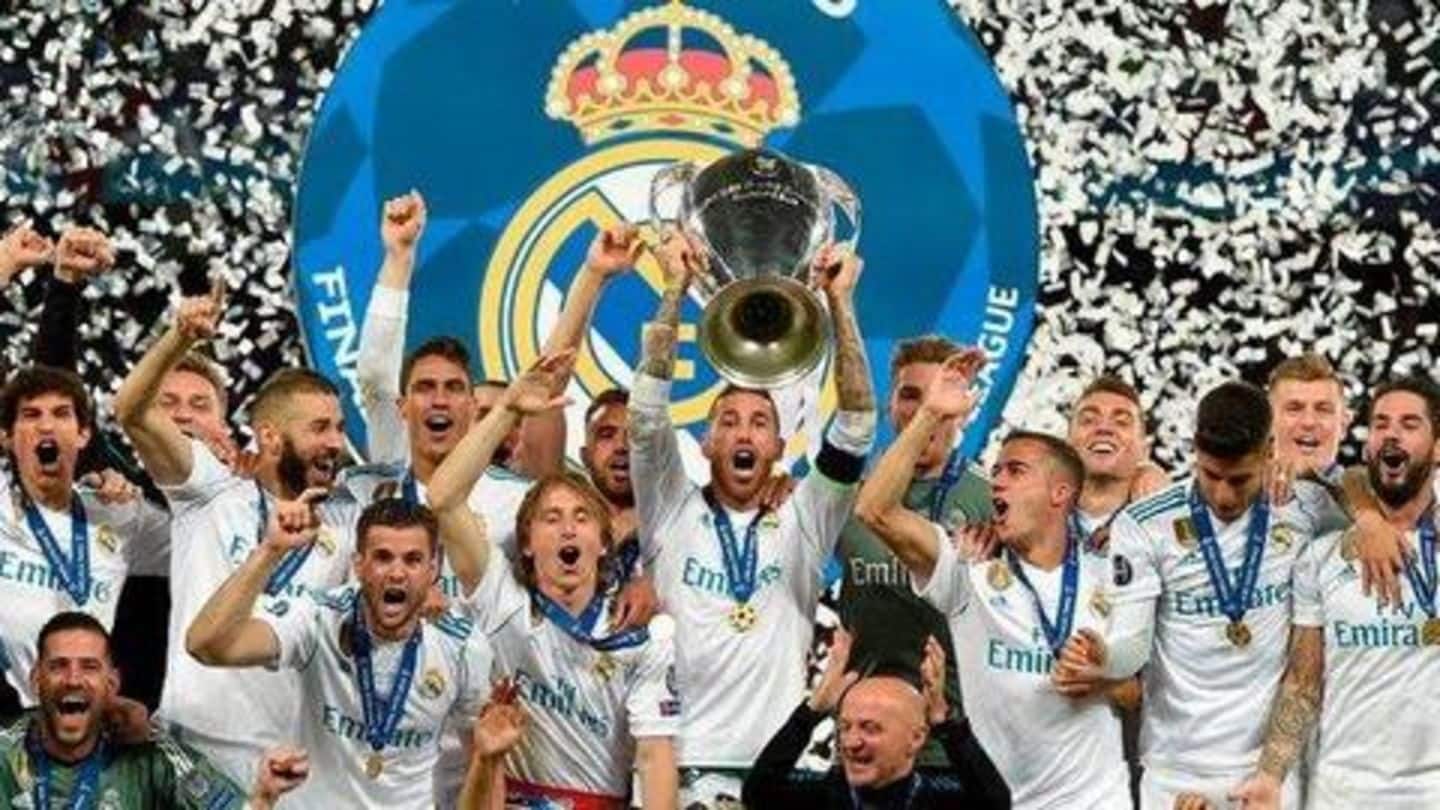
In the annals of football history, no club shines brighter in Europe’s premier competition than Real Madrid. Their name is synonymous with the Champions League, a tournament they have not just won, but truly owned. For fans, rivals, and neutrals alike, the sight of the iconic white shirt battling under the floodlights of a European night evokes a sense of grandeur, drama, and almost inevitable triumph. This isn’t just about winning; it’s about a dynasty, a philosophy, a love affair with the coveted trophy.
Join us on an exhilarating journey through time, as we relive the most glorious chapters of Real Madrid’s extraordinary Champions League saga. From the black-and-white era of pioneering dominance to the modern-day masterclasses, we’ll explore the moments, the heroes, and the sheer willpower that forged their unparalleled legacy as the undisputed ‘Kings of Europe’.
The Genesis of Greatness: The Early Dynasties
The story of Real Madrid’s European dominance begins at the very inception of the competition, then known as the European Cup. It was a time when football was finding its global footing, and one club, led by a visionary president and an iconic player, was about to etch its name into eternity.
The First Five: Di Stéfano’s Era
The arrival of Alfredo Di Stéfano at Real Madrid in 1953 was a seismic event that reshaped European football. Alongside Ferenc Puskás, Raymond Kopa, and Francisco Gento, Di Stéfano spearheaded a team that was utterly unstoppable. They didn’t just win the first-ever European Cup in 1956; they won the next four as well, completing an astonishing run of five consecutive titles from 1956 to 1960. This foundational period laid the groundwork for the club’s enduring mystique.
These early triumphs weren’t just victories; they were exhibitions of attacking football, tactical brilliance, and an unshakeable belief. The final against Eintracht Frankfurt in 1960, a breathtaking 7-3 spectacle, remains one of the greatest football matches ever played, perfectly encapsulating the sheer power and artistry of that legendary Real Madrid side.
Building a Legend: The Early 60s
Even after the departure of some key figures, Real Madrid’s hunger for European glory persisted. The ‘Yé-yé’ team, comprised predominantly of Spanish players, continued the tradition of success, securing the club’s sixth European Cup in 1966. This victory, against Partizan Belgrade, demonstrated the club’s ability to adapt and rebuild while maintaining its core identity: an insatiable desire to conquer Europe.
The Long Wait and Glorious Return: La Séptima & La Octava
Following the glory of the 1960s, a long, arduous wait ensued. Decades passed without European triumph, a period that tested the patience of the Madridista faithful. Yet, the dream of reclaiming their rightful place at the summit of European football never faded. The expectation was immense, the pressure palpable, but destiny, as it often does for Real Madrid, was merely biding its time.
Breaking the Drought: 1998
The 1997-98 season marked a pivotal moment. Under the guidance of Jupp Heynckes, a Real Madrid team featuring stars like Fernando Hierro, Raúl, and Roberto Carlos, embarked on a memorable Champions League campaign. The final in Amsterdam against Juventus, a formidable opponent, presented the ultimate challenge. It was a tense affair, but Predrag Mijatović’s opportunistic goal in the 66th minute broke the deadlock and, more importantly, broke a 32-year spell. La Séptima was finally home, igniting a new era of European dominance.
The emotional outpouring following that victory was immense. It wasn’t just a trophy; it was the reassertion of Real Madrid’s identity, a powerful statement that the Kings of Europe were back where they belonged. The relief and joy reverberated throughout the football world.
The Millennium Kings: 2000 & 2002
The turn of the millennium saw Real Madrid continue their resurgence. In 2000, they faced fellow Spanish side Valencia in an all-La Liga final, securing a dominant 3-0 victory. This La Octava showcased a vibrant, attacking side, cementing their status as the team to beat.
Two years later, in 2002, came perhaps one of the most iconic moments in Champions League history. The final against Bayer Leverkusen in Glasgow saw Zinedine Zidane score a magnificent volley, a goal of such breathtaking skill and importance that it remains etched in the minds of football fans worldwide. That strike secured La Novena, a ninth European crown, and cemented Zidane’s place as a Real Madrid legend, both on and off the pitch.
The Galácticos Era: Stardust and Silverware
The early 2000s were defined by the ‘Galácticos’ era, a period where president Florentino Pérez assembled a constellation of the world’s brightest stars. While the focus was often on individual brilliance, the team’s ability to perform on the biggest European stage was undeniable, culminating in Zidane’s glorious volley.
However, after La Novena, Real Madrid entered another period of relative European drought. Despite boasting incredible talent year after year, the elusive ‘Décima’ – the tenth title – became an obsession, a monumental challenge that seemed to slip away at crucial moments. This decade of near misses only intensified the yearning for ultimate European glory.
The club underwent significant restructuring, with different coaches and players attempting to crack the code. The pressure from the fans and the media was immense, but the club’s ambition never wavered. Every season began with the clear objective: bring the Champions League trophy back to the Santiago Bernabéu.
The Modern Dynasty: La Décima and Beyond
The mid-2010s ushered in an unprecedented era of success, one that would redefine modern football dominance and solidify Real Madrid’s status as the ultimate Champions League specialists.
Ancelotti’s Masterpiece: 2014
The 2013-2014 season, under the calm and astute leadership of Carlo Ancelotti, saw Real Madrid finally achieve their long-held dream. The path to the final in Lisbon was challenging, but the team, featuring stars like Cristiano Ronaldo, Gareth Bale, and Karim Benzema, displayed immense resilience. The final itself, an all-Madrid derby against Atlético Madrid, was a nail-biting affair. Trailing 1-0 in injury time, a towering header from Sergio Ramos dramatically leveled the score, sending the match into extra time. Real Madrid then exploded, scoring three more goals to win 4-1. La Décima, the elusive tenth, was finally theirs, celebrated with unparalleled euphoria.
That night in Lisbon was more than just a victory; it was a catharsis. The decade-long wait, the near misses, the heartbreak – all were washed away in a flood of white confetti. It was a testament to perseverance, belief, and the sheer audacity of a club that simply refuses to lose when it matters most.
Zidane’s Unprecedented Treble: 2016, 2017, 2018
What followed was nothing short of miraculous. With Zinedine Zidane, the architect of La Novena, now at the helm as manager, Real Madrid embarked on a run that defied all modern football logic: three consecutive Champions League titles.
- 2016: La Undécima. Against Atlético Madrid once again, the final went to penalties, with Cristiano Ronaldo slotting home the decisive kick.
- 2017: La Duodécima. A masterful performance saw them defeat Juventus 4-1 in Cardiff, showcasing a team at the peak of its powers.
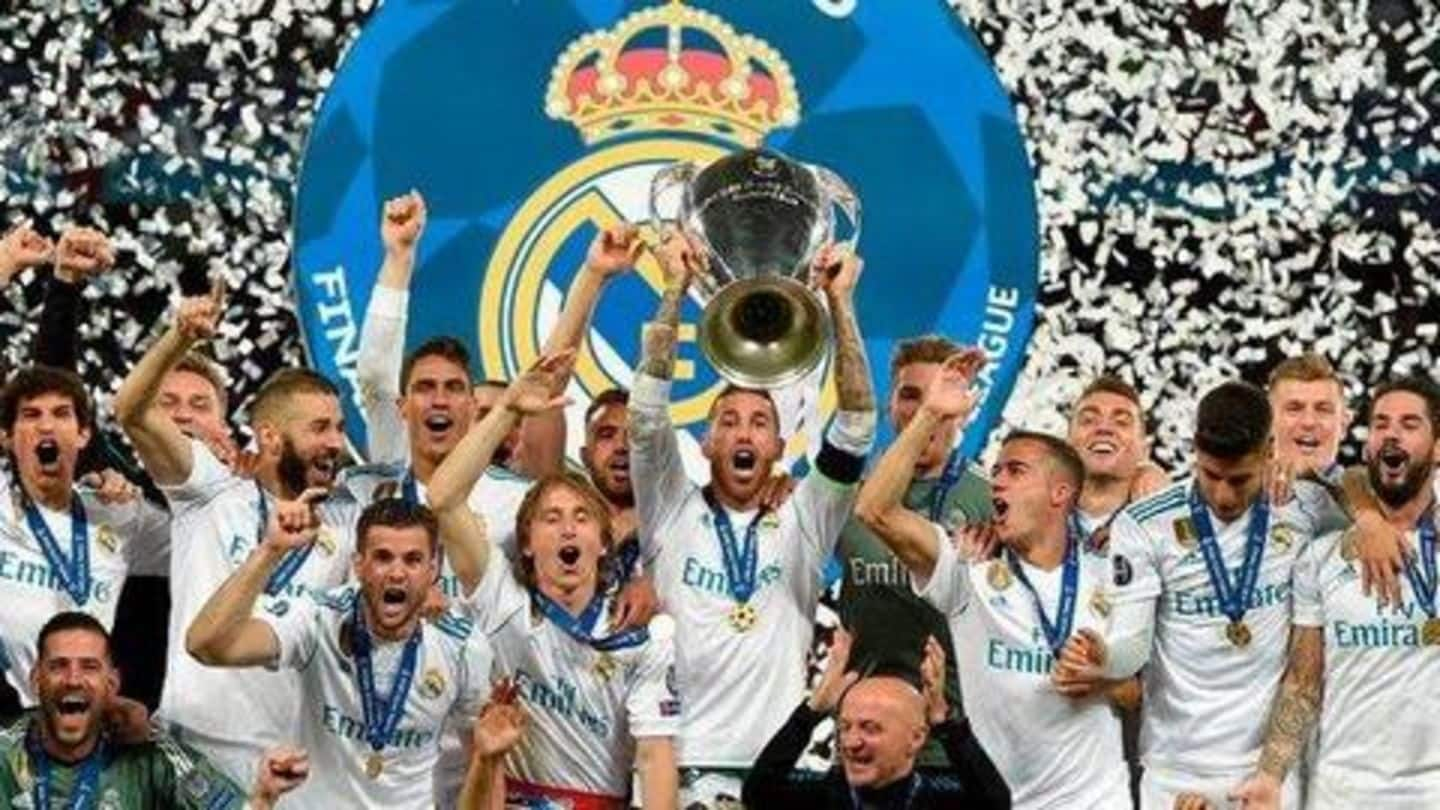
- 2018: La Decimotercera. Facing Liverpool in Kyiv, Gareth Bale’s stunning bicycle kick and Loris Karius’s errors secured an unprecedented third consecutive title.
This incredible feat cemented Zidane’s legacy as one of the greatest managers in the competition’s history and elevated players like Ronaldo, Ramos, Modrić, and Kroos to legendary status. The synergy between the tactical genius of Zidane and the individual brilliance of his squad created an unstoppable force.
The Ancelotti Encore: 2022 and Beyond
After another brief hiatus from the pinnacle, Carlo Ancelotti returned to the Bernabéu, and once again, magic ensued. The 2021-2022 Champions League campaign was a testament to Real Madrid’s ‘never say die’ attitude, featuring a series of incredible comebacks against PSG, Chelsea, and Manchester City in the knockout stages. Each match was a masterclass in resilience and mental fortitude.
The final against Liverpool in Paris saw Real Madrid deliver a clinical performance, with Vinícius Júnior scoring the winner and Thibaut Courtois producing one of the greatest goalkeeping displays in a final. La Decimocuarta – their 14th title – was a triumph of spirit, experience, and sheer belief, proving once again that when it comes to the Champions League, you can never count Real Madrid out.
The Ingredients of Success: What Makes Real Madrid Unique?
What is it about Real Madrid that enables them to consistently reach, and conquer, the highest peaks of European football? It’s a complex blend of factors that contribute to their unparalleled success.
The Santiago Bernabéu Mystique
The legendary Santiago Bernabéu stadium is more than just a venue; it’s a fortress, a cauldron of passion, and a psychological advantage. The roar of the Madridista faithful often inspires incredible comebacks and instills fear in opponents. The history embedded within its walls seems to whisper tales of past glories, fueling the team’s ambition.
Unwavering Ambition and Club Culture
At Real Madrid, winning the Champions League isn’t just a goal; it’s an expectation, a fundamental part of the club’s DNA. This relentless pursuit of excellence, instilled from the top down by figures like Florentino Pérez, ensures that every player and staff member understands the magnitude of the competition.
Legendary Players and Coaching Genius
From Di Stéfano and Puskás to Zidane, Ronaldo, and Ramos, Real Madrid has always attracted and nurtured generational talents. These players, combined with astute coaching from figures like Ancelotti and Zidane, create a formidable force capable of overcoming any challenge. The ability to perform under immense pressure is a hallmark of a true Madridista.
The "Never Say Die" Mentality
Perhaps the most defining characteristic of Real Madrid in the Champions League is their incredible resilience. Time and again, they’ve demonstrated an uncanny ability to turn seemingly impossible situations into glorious victories, especially in the knockout stages. This ‘never say die’ spirit, often exemplified by late goals and dramatic comebacks, is a psychological weapon unique to the club.
The Legacy Continues: Looking Ahead
As Real Madrid continues to evolve, the quest for European glory remains their guiding star. New generations of players will don the iconic white shirt, tasked with upholding the rich tradition of success. The club’s commitment to signing world-class talent and fostering a winning mentality ensures that their narrative of dominance is far from over. The Champions League, after all, is their spiritual home.
The future promises more thrilling encounters, more legendary performances, and undoubtedly, more opportunities for Real Madrid to add to their already staggering tally of European crowns. The pursuit of La Decimoquinta and beyond is a perpetual journey for this footballing titan.
Conclusion
Real Madrid’s journey through the Champions League is a truly extraordinary tale of unparalleled success, relentless ambition, and an unbreakable bond with the most prestigious trophy in club football. From the pioneering days of Di Stéfano to the modern dynasties forged by Ancelotti and Zidane, their record of 14 European Cups stands as an almost insurmountable testament to their greatness.
They are more than just a club; they are a phenomenon, a symbol of footballing excellence that continues to inspire and captivate millions worldwide. The Champions League is not merely a competition for Real Madrid; it is their stage, their legacy, and their destiny. Long live the Kings of Europe!

Real Madrid’s UCL Saga: A Rollercoaster of Triumphs and Tribulations
Clash of Titans: Benfica vs. Real Madrid – The Ultimate Tactical Showdown and Key Battles to Watch

Champions League Group Stage: Every Result, Every Standings Update You Need to Know!
About The Author
