Real Madrid: How Los Blancos Became the Undisputed Kings of Europe
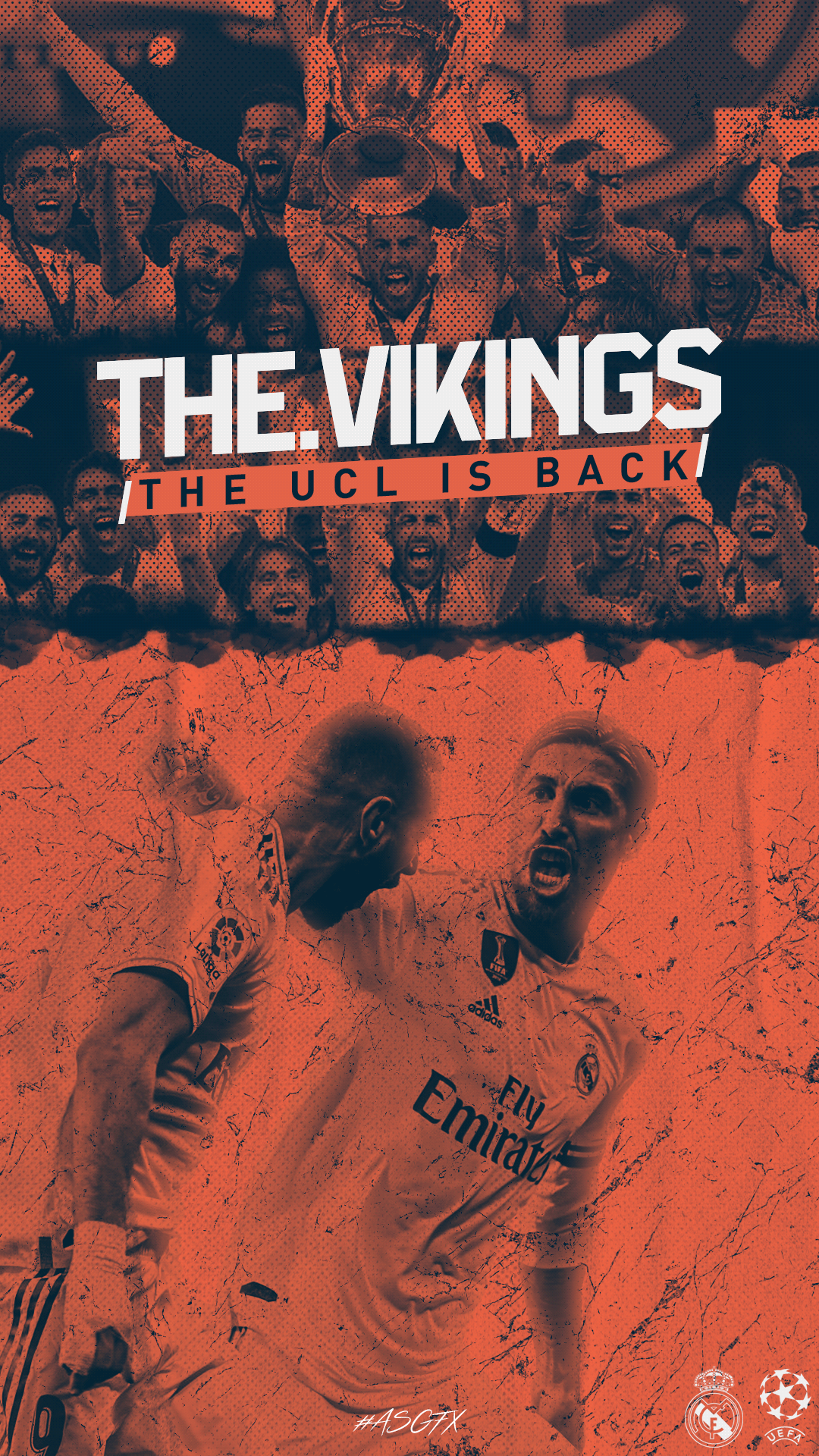
Real Madrid. The name itself evokes images of footballing royalty, a club steeped in history, adorned with success, and revered across the globe. But what is it about this Spanish giant that sets them apart, particularly in the fiercely competitive arena of European football? This is the story of how Real Madrid became, and remains, the undisputed Kings of Europe.
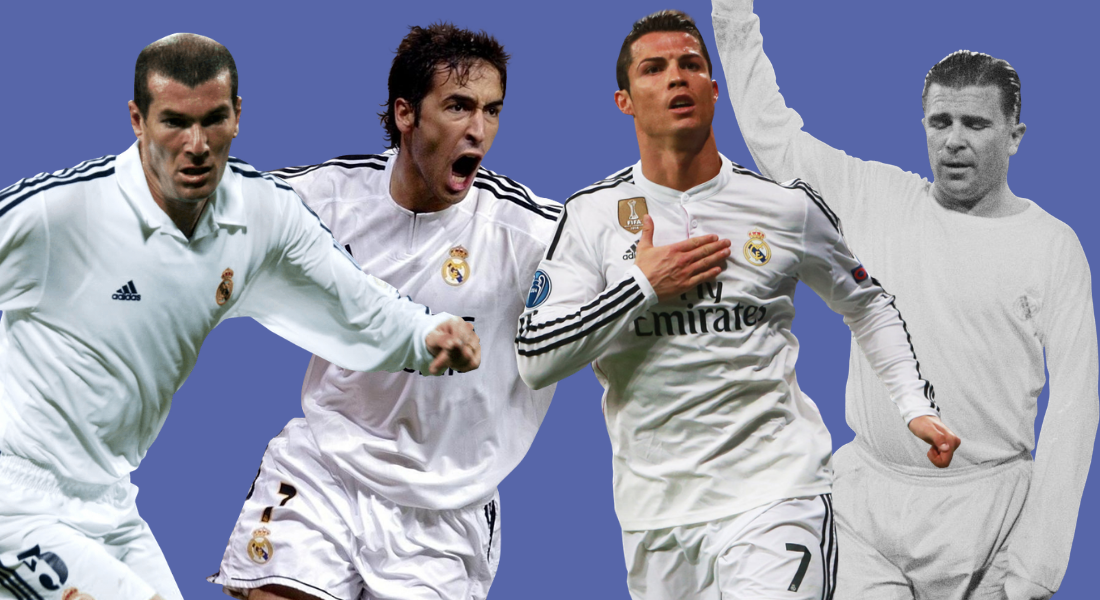
From the legendary Alfredo Di Stéfano era to the modern-day dominance spearheaded by Cristiano Ronaldo and Karim Benzema, Real Madrid’s journey through European competitions is a tapestry woven with moments of brilliance, strategic masterstrokes, and an unwavering winning mentality. This article delves deep into the heart of Real Madrid’s European conquests, exploring the key factors that have contributed to their unparalleled success.
The Genesis of a Dynasty: The Early European Cups
Real Madrid’s European story began in the nascent years of the European Cup, now known as the Champions League. In the 1950s, under the guidance of Santiago Bernabéu, the club embarked on a period of unprecedented dominance, winning the first five editions of the tournament. This era established Real Madrid as a force to be reckoned with and laid the foundation for their future European triumphs.
The team, led by the iconic Alfredo Di Stéfano and Ferenc Puskás, played with a swagger and flair that captivated audiences. Their attacking prowess was unmatched, and their victories were often resounding, solidifying their status as the kings of European football.
Key Players and Tactical Innovations
The early success wasn’t just about individual brilliance; it was also about tactical innovation. Real Madrid’s coaches implemented strategies that maximized the strengths of their players, creating a cohesive and formidable unit. The blend of Di Stéfano’s creativity, Puskás’s finishing, and the supporting cast’s tenacity proved to be a winning formula.
The Drought and the Re-emergence
After their initial dominance, Real Madrid experienced a period of relative drought in European competitions. While they continued to be a major force in Spanish football, European glory proved elusive for several decades. This period tested the club’s resolve and fueled their ambition to return to the pinnacle of European football.
The late 1990s saw Real Madrid begin their resurgence. With a new generation of talented players and a renewed focus on European success, they once again started to challenge for the Champions League title. This period marked the beginning of a new era of European dominance for Los Blancos.
The Galácticos Era: A New Chapter of Dominance
The early 2000s ushered in the era of the ‘Galácticos,’ a period characterized by the signing of some of the world’s most glamorous and talented players. Figures like Zinedine Zidane, Luís Figo, Ronaldo Nazário, and David Beckham joined the ranks, creating a team that was as captivating off the pitch as it was on it.
While the Galácticos era didn’t immediately translate into Champions League success, it laid the groundwork for future triumphs. The team’s star power and attacking flair attracted fans from around the world and solidified Real Madrid’s global brand.
Tactical Considerations and Challenges
Managing a team of such high-profile players presented unique challenges. Coaches had to find a way to balance individual brilliance with team cohesion, ensuring that the team functioned as a unit despite the presence of so many superstars. This required careful tactical planning and strong man-management skills.
The Cristiano Ronaldo Era: Unprecedented Success
The arrival of Cristiano Ronaldo in 2009 marked the beginning of arguably the most successful period in Real Madrid’s modern history. Ronaldo’s incredible goal-scoring record, combined with his relentless work ethic and unwavering determination, propelled Real Madrid to unprecedented heights.
During Ronaldo’s time at the club, Real Madrid won four Champions League titles, including an unprecedented three in a row. Ronaldo’s individual brilliance was instrumental in these triumphs, but he was also supported by a talented squad that included players like Sergio Ramos, Luka Modrić, and Toni Kroos.
Zidane’s Masterclass: A Managerial Triumph
The appointment of Zinedine Zidane as manager in 2016 proved to be a masterstroke. Zidane, a former Real Madrid player himself, instilled a sense of calm and unity within the squad. His tactical acumen and man-management skills were crucial in guiding the team to their Champions League successes.
Zidane’s ability to get the best out of his players, combined with his tactical flexibility, made Real Madrid a formidable opponent. He understood the club’s history and traditions, and he was able to create a winning environment that fostered success.
Beyond the Stars: The Importance of Teamwork and Strategy
While star players have undoubtedly played a crucial role in Real Madrid’s European success, it’s important to recognize the importance of teamwork and strategy. Real Madrid’s coaches have consistently emphasized the importance of playing as a unit, and they have implemented tactical systems that maximize the team’s strengths.
The club’s success is also a testament to its scouting network and youth academy. Real Madrid has consistently produced talented players who have gone on to play key roles in the first team. This commitment to developing young talent ensures that the club has a sustainable pipeline of players for the future.
The 14th Title and Beyond: Continuing the Legacy
In 2022, Real Madrid secured their 14th Champions League title, further cementing their status as the kings of Europe. This victory was a testament to the club’s enduring quality and their ability to adapt and evolve over time. The team, led by veteran players like Karim Benzema and Luka Modrić, overcame numerous challenges to lift the trophy once again.
As Real Madrid continues to compete at the highest level of European football, their legacy as the kings of Europe remains secure. Their unparalleled record of success, combined with their iconic players and unwavering winning mentality, ensures that they will continue to be a force to be reckoned with for years to come.
The Bernabéu Factor: Home Advantage and Atmosphere
The Santiago Bernabéu stadium is more than just a home ground; it’s a fortress. The atmosphere on European nights is electric, with the fans creating a cauldron of noise that inspires the players and intimidates opponents. This home advantage has been a crucial factor in Real Madrid’s European success.
The Bernabéu has witnessed countless memorable moments in European competitions, from stunning goals to dramatic comebacks. The stadium’s rich history and passionate fans create an environment that is unlike any other in world football.
Financial Prowess and Sustainability
Real Madrid’s financial strength has also played a significant role in their European success. The club’s ability to attract sponsors and generate revenue allows them to invest in top players and infrastructure. However, Real Madrid has also been careful to maintain financial sustainability, ensuring that the club remains competitive for the long term.
Their ability to balance financial success with sporting ambition is a key factor in their enduring dominance.
Lessons from the Kings: What Makes Real Madrid Special?
So, what are the key lessons that can be learned from Real Madrid’s European success? Firstly, the importance of a strong club culture and a clear identity. Real Madrid has a rich history and a strong sense of tradition, which helps to create a winning environment.
Secondly, the importance of investing in top players and developing young talent. Real Madrid has consistently been able to attract some of the world’s best players, but they have also been committed to developing their own talent through their youth academy.
Thirdly, the importance of strong leadership, both on and off the pitch. Real Madrid has been fortunate to have had some exceptional leaders over the years, from Santiago Bernabéu to Zinedine Zidane.
Finally, the importance of never giving up. Real Madrid has faced numerous challenges throughout their history, but they have always found a way to bounce back and achieve success.
The Future of Real Madrid in Europe
As Real Madrid looks to the future, their ambition remains the same: to continue to compete at the highest level of European football and to add to their already impressive trophy collection. With a new generation of talented players emerging, and with the club’s unwavering commitment to success, Real Madrid is well-positioned to remain the Kings of Europe for many years to come.
The challenge for the club will be to adapt to the ever-changing landscape of European football, to continue to innovate and improve, and to maintain their winning mentality. But if their history is anything to go by, Real Madrid will be more than up to the task.
In conclusion, Real Madrid’s journey to becoming the Kings of Europe is a story of ambition, innovation, and unwavering determination. From the early dominance of Di Stéfano and Puskás to the modern-day brilliance of Ronaldo and Benzema, Real Madrid has consistently set the standard for excellence in European football. Their legacy is one that will continue to inspire and captivate fans for generations to come.
Their record-breaking Champions League titles, iconic players, and the secrets behind their enduring success make them the undisputed kings. The story of Real Madrid is a reminder that with hard work, dedication, and a belief in oneself, anything is possible. Hala Madrid!

Champions League Table: Unveiling the Group Stage Masterpieces & Heartbreaks

Anatoliy Trubin: The Making of a Benfica Icon

Real Madrid’s Champions League Tightrope: Are Los Blancos Facing Unprecedented Trouble?
About The Author
