Champions League Table: Deciphering the Stakes for Every Club
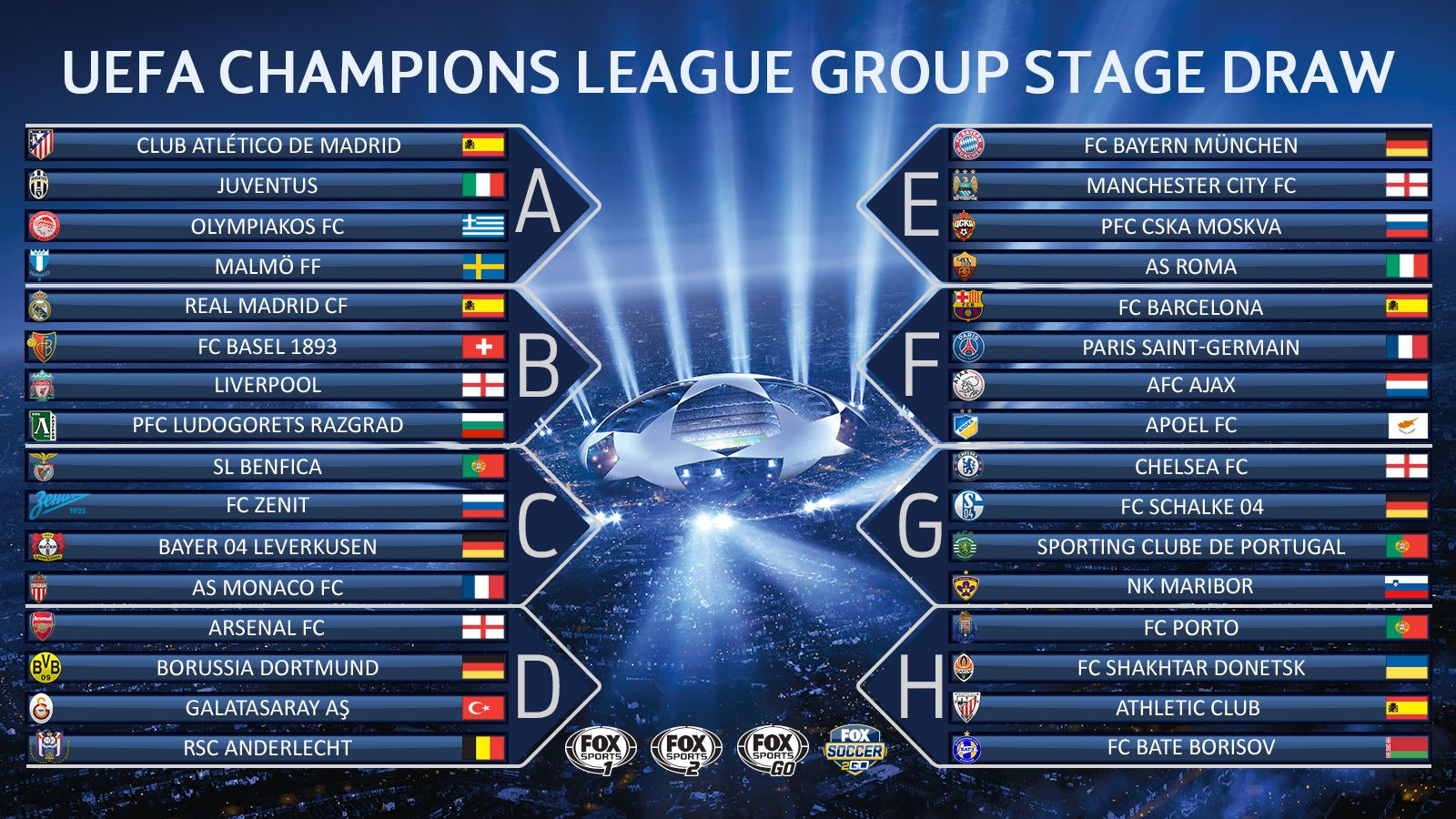
The UEFA Champions League, the pinnacle of European club football, is a stage where legends are made and dreams are either realized or crushed. Beyond the glittering trophy, the competition is a complex web of tactical battles, financial incentives, and prestige. Understanding the Champions League table is crucial to grasping the high stakes involved for each participating club. Every match, every goal, every point carries immense weight. Let’s delve into what’s truly at stake for each team vying for glory.
The Quest for Knockout Stage Qualification
The primary objective for any club entering the Champions League group stage is simple: secure a spot in the knockout rounds. Finishing in the top two positions in their respective groups guarantees progression to the Round of 16. This is not just about prestige; it unlocks significant financial rewards and keeps the dream of lifting the trophy alive. For some clubs, merely qualifying for the knockout stage represents a successful campaign, while for others, it’s the bare minimum expectation.
Securing Top Spot: A Tactical Advantage
Winning the group is often as important as simply qualifying. Group winners are seeded in the Round of 16 draw and are paired against a runner-up from another group. This theoretically offers a more favorable draw, increasing the chances of progressing further in the competition. Furthermore, the psychological boost of finishing top can be invaluable. The perceived easier path can fuel momentum and confidence as the tournament progresses. This advantage can be especially crucial in avoiding clashes with other European powerhouses early in the knockout phase.
Financial Windfall: The Champions League Money Machine
The Champions League is a financial powerhouse. Participation alone guarantees a substantial payment, and clubs earn additional revenue based on their performance in the group stage and beyond. Winning matches, progressing to the knockout rounds, and reaching the final all trigger significant financial bonuses. This money is vital for clubs of all sizes, allowing them to invest in players, infrastructure, and youth development. For smaller clubs, a successful Champions League campaign can be transformative, providing the resources to compete at a higher level domestically and continentally.
The Impact on Club Budgets
The financial rewards of the Champions League are not just about immediate gratification. They have a long-term impact on club budgets and strategic planning. Increased revenue allows clubs to attract better players, improve training facilities, and invest in marketing and branding. This creates a virtuous cycle, making them more competitive on and off the pitch. Conversely, failure to qualify for the Champions League can have severe financial consequences, forcing clubs to make difficult decisions about player sales and cost-cutting measures.
Reputation and Prestige: Building a Legacy
Beyond the financial rewards, the Champions League offers something even more valuable: reputation and prestige. Competing against the best clubs in Europe on the biggest stage elevates a club’s global profile and enhances its brand. A successful Champions League campaign can attract new fans, sponsors, and commercial opportunities. It also strengthens a club’s legacy and cements its place in football history. For players, the opportunity to play in the Champions League is a major draw, attracting top talent from around the world.
The Allure for Players and Managers
The Champions League is a magnet for the world’s best players and managers. Players dream of lifting the trophy, while managers see it as the ultimate test of their tactical acumen. A successful Champions League campaign can catapult a player’s career to new heights, earning them individual accolades and attracting interest from the biggest clubs. Similarly, a manager who can guide a team to Champions League glory is highly sought after and can command top salaries.
Impact on Domestic Performance: The Balancing Act
While the Champions League offers immense benefits, it also presents challenges. The demands of competing in both the Champions League and domestic leagues can take a toll on players, leading to fatigue and injuries. Clubs must carefully manage their squads and rotate players to avoid burnout. The Champions League can also impact domestic performance in other ways, such as affecting team morale and tactical focus. Striking the right balance between European and domestic ambitions is crucial for sustained success.
The Pressure of Juggling Competitions
The pressure of juggling multiple competitions can be immense, especially for clubs with smaller squads. Managers must make difficult decisions about which matches to prioritize and how to allocate resources. A poor run of form in the Champions League can negatively impact domestic performance, and vice versa. The ability to navigate these challenges is a key indicator of a club’s strength and resilience.
Group Stage Scenarios: Navigating the Path Forward
The Champions League group stage is a complex landscape of possibilities. As the matches unfold, various scenarios emerge, each with its own implications for the clubs involved. Understanding these scenarios is crucial for fans and analysts alike. Factors such as head-to-head records, goal difference, and remaining fixtures all play a role in determining the final standings. The permutations can be dizzying, but the stakes are always high.
Analyzing Potential Outcomes
Analyzing potential outcomes requires a deep understanding of the rules and regulations of the Champions League. Head-to-head records are often the first tiebreaker, followed by goal difference and goals scored. In some cases, a play-off match may be required to determine which team progresses. Keeping track of these details is essential for predicting the final standings and understanding what each club needs to do to achieve its goals.
Specific Examples: Examining Current Contenders
Let’s examine some specific examples of clubs currently competing in the Champions League and analyze what’s at stake for them. .
Club A: Aiming for Glory
Club B: Battling for Survival
Club C: Underdog Story
The Road to the Final: A Long and Winding Journey
Qualifying for the Champions League is just the first step on a long and winding journey. The knockout stages are a minefield of challenges, with each round presenting new obstacles. Clubs must navigate difficult draws, overcome tactical hurdles, and maintain their form and fitness. The road to the final is paved with hard work, determination, and a little bit of luck.
The Importance of Squad Depth and Tactical Flexibility
Squad depth and tactical flexibility are crucial for success in the Champions League knockout stages. Clubs must have a deep roster of players who can step in and perform at a high level. They must also be able to adapt their tactics to suit different opponents and game situations. The ability to make effective substitutions and change formations can be the difference between victory and defeat.
Conclusion: More Than Just a Game
The Champions League is more than just a game; it’s a spectacle that captivates audiences around the world. The stakes are incredibly high for every club involved, from the financial rewards to the prestige and reputation. Understanding the Champions League table and the various scenarios that can unfold is crucial for appreciating the drama and excitement of the competition. As the tournament progresses, the pressure will only intensify, and the battle for glory will reach fever pitch. Only one team can ultimately lift the trophy, but the journey is a testament to the passion, dedication, and skill of all those involved.
So, as you watch the matches and follow the Champions League table, remember that there’s far more at stake than just points. It’s about dreams, legacies, and the pursuit of footballing immortality.

Champions League Playoffs 2026: Your Ultimate Guide to the Knockout Stage Showdown

UCL Standings: The Electrifying Race for European Supremacy Intensifies!

Benfica’s Champions League Dream: A Club on a Mission
About The Author
