Kings of Europe: Decoding Real Madrid’s Unwavering Champions League Ambition
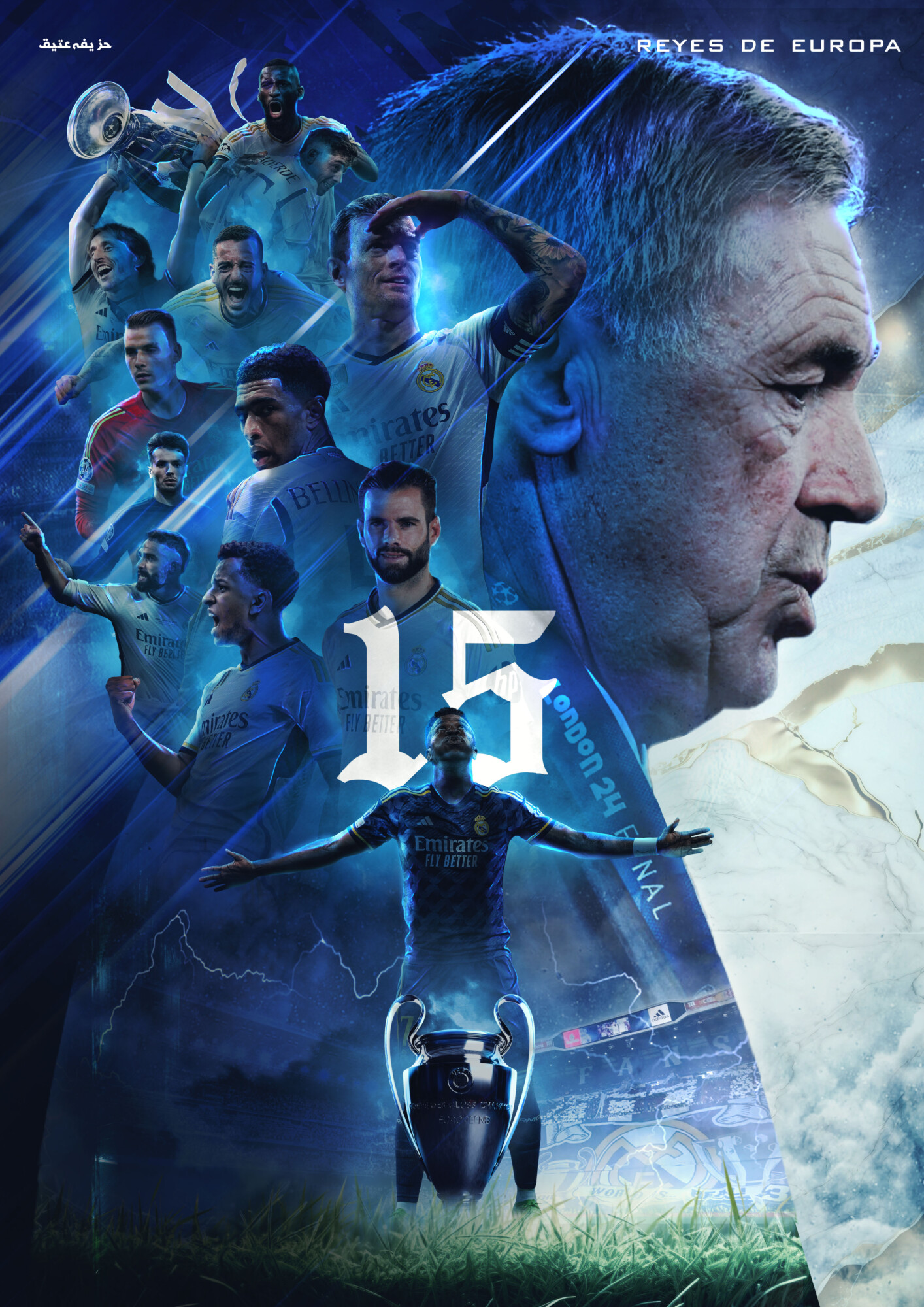
When the iconic UEFA Champions League anthem reverberates through a stadium, something changes for Real Madrid. For other clubs, it’s a prestigious competition; for Real Madrid, it’s a homecoming. It’s a stage where they don’t just participate; they dominate. This isn’t merely about winning a trophy; it’s about upholding a legacy, fulfilling a destiny, and reinforcing an identity forged in the crucible of European football. What is it that fuels this relentless, unwavering ambition for continental glory?
The Historical Foundation: Forging a European Legacy
To understand Real Madrid’s present, you must journey back to the very inception of the European Cup in 1955. Under the visionary leadership of president Santiago Bernabéu, the club didn’t just embrace the new tournament; they made it their own. They saw it as the ultimate platform to establish themselves not just as the best in Spain, but as the undisputed kings of the continent.
The Di Stéfano Era: The Birth of a Dynasty
The first five European Cups all ended up in the same trophy cabinet in Madrid. Led by the legendary Alfredo Di Stéfano, a complete footballer who defined an era, Real Madrid built a dynasty that has never been replicated. Players like Ferenc Puskás, Francisco Gento, and Raymond Kopa weren’t just a team; they were a spectacle. Their dominance in the formative years of the competition intertwined the club’s identity with the European Cup forever. Winning it became the standard, the bare minimum.
This golden era cemented a crucial belief within the club’s DNA: Real Madrid exists to win the European Cup. It became more than a competition; it became a birthright. The white shirt on a European night began to carry an aura of invincibility, a psychological edge that opponents could feel before a ball was even kicked.
The Intervening Years: A Longing for Glory
After their sixth title in 1966, a long and arduous wait began. For 32 years, the most coveted trophy in European club football eluded them. This period of longing, however, did not diminish the ambition; it amplified it. The desperation to reclaim their throne, to win the ‘Séptima’ (the seventh), became an obsession that was passed down through generations of players, presidents, and fans. The pressure was immense, but it was a pressure they embraced.
The Modern Era: From La Décima to Unprecedented Dominance
The turn of the millennium brought renewed success, but one number haunted the club: ten. The pursuit of ‘La Décima’—the tenth Champions League title—became the defining mission of the modern Real Madrid.
The Obsession with the Tenth
After Zinedine Zidane’s sublime volley secured the ninth title in 2002, the wait for the tenth became a psychological burden. Millions were spent, and world-class managers came and went, all failing to clear that final hurdle. This 12-year obsession culminated in the dramatic 2014 final in Lisbon. Sergio Ramos’s 93rd-minute header against city rivals Atlético Madrid wasn’t just an equalizer; it was an exorcism. It shattered the mental barrier and unleashed a new era of European dominance.
The Zidane Treble: A Feat for the Ages
What followed La Décima was nothing short of legendary. With club icon Zinedine Zidane as manager, Real Madrid achieved the impossible: winning three consecutive Champions League titles from 2016 to 2018. This was a team that perfectly embodied the club’s spirit. Led by Cristiano Ronaldo’s relentless goal-scoring, Sergio Ramos’s indomitable leadership, and the midfield mastery of Modrić, Kroos, and Casemiro, they were a force of nature.
This ‘three-peat’ was not built on tactical revolution alone, but on an unshakeable self-belief. They knew how to navigate the tournament’s critical moments, how to suffer, and how to deliver the decisive blow when it mattered most. They had mastered the art of winning the Champions League.
What Fuels the Ambition? The ‘Madridista’ Mentality
Talent alone doesn’t explain Real Madrid’s record-breaking success. The fuel for their ambition comes from a unique and powerful mentality ingrained in the club’s culture.
The Bernabéu Factor: The Magic of European Nights
The Santiago Bernabéu stadium is more than just a venue; it’s a fortress on European nights. There’s a palpable magic in the air, a shared belief between players and fans that anything is possible. The roar of the crowd doesn’t just encourage; it demands victory. Opponents often speak of being overwhelmed by the atmosphere, the history, and the sheer weight of expectation that emanates from the stands.
‘Remontada’ Spirit: The Art of the Comeback
No lead is safe against Real Madrid in the Champions League. The spirit of the ‘remontada’ (comeback) is a core tenet of their identity. Time and time again, when all seems lost, they find a way to claw back from the brink of defeat. The dramatic comebacks against PSG, Chelsea, and Manchester City during their 2022 title run are perfect examples. This belief that they are never beaten is perhaps their most potent weapon.
This isn’t blind hope; it’s a cultivated confidence. The players know the history, they’ve seen the legends do it before them, and they feel a responsibility to uphold that tradition. ‘Hasta el final, vamos Real’ (‘Until the end, let’s go Real’) is not just a chant; it’s a promise.
A Culture of Expectation
At other clubs, reaching a Champions League semi-final might be celebrated as a great achievement. At Real Madrid, it’s considered a potential failure. The expectation from the board, the media, and the fans is not just to compete, but to win. This relentless pressure forges players with nerves of steel, capable of performing on the biggest stage without crumbling.
The Key Ingredients: More Than Just Talent
This sustained success is built on a strategic foundation that goes beyond just the mentality of the players on the pitch.
Galácticos and Pavones: A Blend of Superstars and Homegrown Talent
President Florentino Pérez’s ‘Galácticos’ policy, focused on signing the world’s biggest stars (Zidane, Ronaldo, Figo, Beckham, and later Cristiano Ronaldo, Bale, Bellingham), ensures the team always has game-changing quality. However, this is often balanced by the ‘Pavones’—talented players nurtured in their own academy, ‘La Fábrica’. This blend creates a team with both spectacular individual brilliance and a deep-rooted understanding of the club’s values.
Managerial Genius: From Muñoz to Ancelotti
Real Madrid’s most successful European campaigns have been led by managers who understand the club’s unique culture. They are not just tacticians; they are masterful man-managers. Figures like Miguel Muñoz, Vicente del Bosque, Zinedine Zidane, and Carlo Ancelotti possess a calm authority and tactical flexibility that allows their star players to thrive under pressure. They know that at Madrid, managing egos is as important as setting up formations.
The Presidential Vision
The president of Real Madrid holds a uniquely powerful position. Figures like Santiago Bernabéu and Florentino Pérez have been the architects of the club’s ambition. Their vision dictates transfer policy, stadium development, and, most importantly, the relentless pursuit of being the best in the world. They understand that success in the Champions League is the primary engine of the club’s global brand and financial power.
The Future of the Ambition: The Next Generation
As legends like Ronaldo, Ramos, and Benzema have moved on, the question arises: can the ambition be sustained? The answer, unequivocally, is yes. The torch is being passed to a new generation of superstars.
Adapting to a New Footballing Landscape
The club has adapted its transfer strategy, moving from signing established Galácticos to identifying and securing the world’s best young talents. The acquisitions of players like Vinícius Júnior, Rodrygo, Eduardo Camavinga, and Jude Bellingham demonstrate a forward-thinking approach designed to build the next dynasty. They are not just buying talent; they are buying players with the mentality to become future kings of Europe.
Nurturing Future Champions
These young stars are immediately immersed in the culture of winning. They learn from veterans like Luka Modrić and Toni Kroos what it means to wear the white shirt in the Champions League. The ambition is not something that needs to be taught; it is absorbed through osmosis, in the dressing room, on the training pitch, and under the floodlights of the Bernabéu.
Conclusion: An Eternal Quest for Glory
Real Madrid’s relationship with the UEFA Champions League transcends sport. It is a story of legacy, identity, and an unquenchable thirst for glory. From the black and white footage of Di Stéfano to the high-definition heroics of Bellingham, the objective has remained constant. The players change, the managers change, but the ambition is permanent. For Real Madrid, the Champions League is not just a competition to be won; it is the ultimate affirmation of who they are: the undisputed Kings of Europe.

The Mourinho Effect: How He Revolutionized Champions League Football

UCL Standings: The Electrifying Race for European Supremacy Intensifies!

UCL Fixtures: Never Miss a Game with Our Comprehensive Guide
About The Author
