Kings of Europe: Is Real Madrid’s Champions League Reign Built to Last?
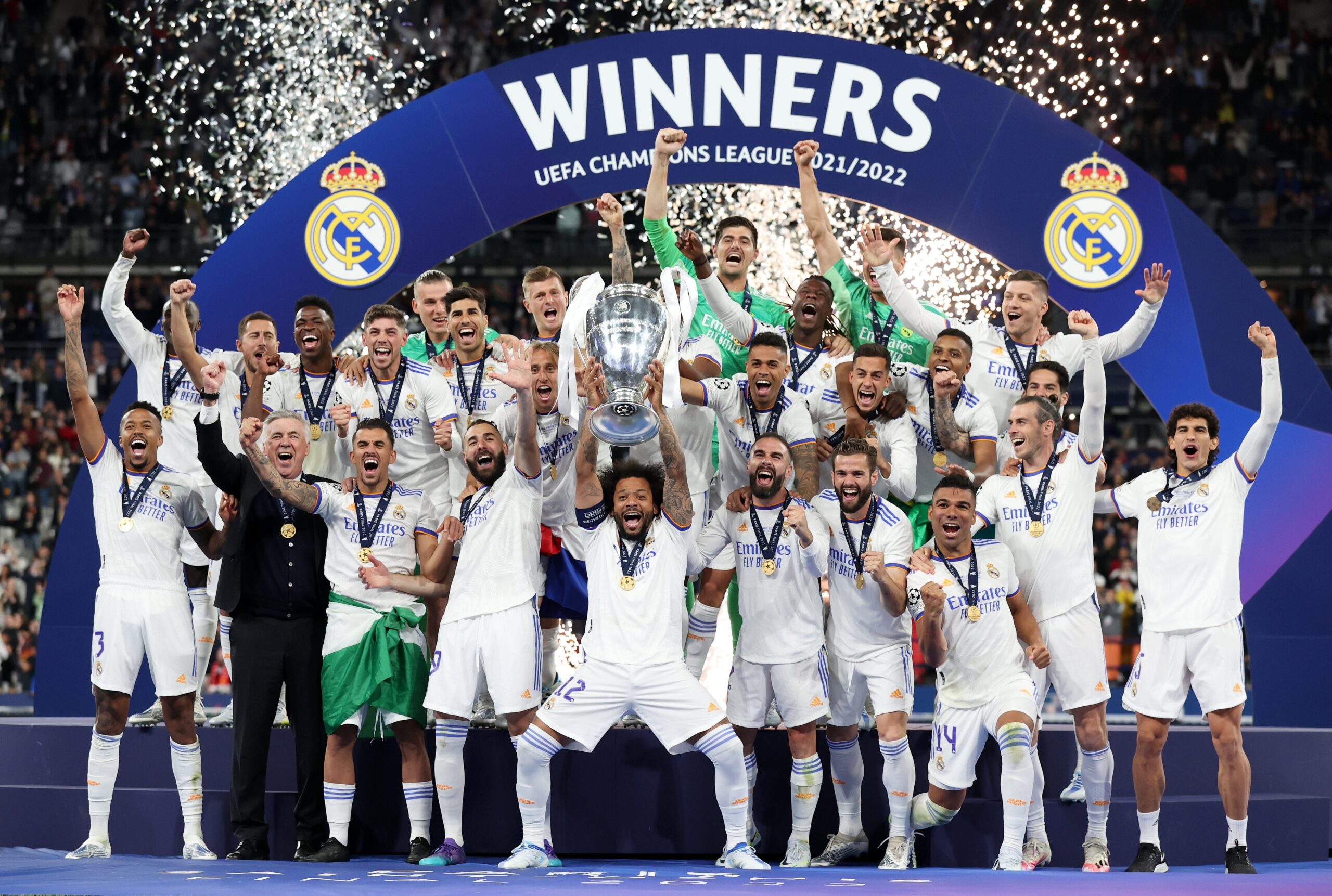
Fifteen. The number itself is staggering, almost mythical. When Real Madrid lifted their 15th UEFA Champions League trophy, it wasn’t just another victory; it was a thunderous declaration. In an era of hyper-competitive, state-funded footballing projects, Los Blancos stand alone, a monument to a winning culture that defies modern logic. But as the confetti settles, the crucial question echoes through the halls of the Santiago Bernabéu and among rivals across Europe: Is this dominance sustainable, or are we witnessing the glorious peak before an inevitable decline?
To understand the future, we must first dissect the present. This isn’t the Galácticos of old, nor is it solely the Cristiano Ronaldo-led juggernaut. This is a new breed of Madrid, a meticulously constructed hydra—cut off one head, and two more, younger and faster, grow in its place. The secret to their recent triumphs isn’t a single formula but a potent cocktail of ingredients.
The Anatomy of a Champion: More Than Just Talent
At the heart of Real Madrid lies an intangible asset: the ‘Champions League DNA’. It’s a belief system, an unshakeable confidence that this competition belongs to them. You see it in the dying minutes of a tie they are losing, in the calm demeanor of players facing immense pressure. It’s a legacy passed down from Di Stéfano to Zidane, from Ramos to Vinícius Jr. This mentality turns difficult situations into mere plot points in another epic comeback story.
This culture is nurtured from the top. President Florentino Pérez has cultivated an environment where winning in Europe is not an ambition; it’s the baseline expectation. This relentless demand for excellence weeds out those who cannot handle the weight of the iconic white shirt.
A Perfect Blend: Experience and Youthful Exuberance
The squad itself is a masterclass in roster construction. For years, the spine was the legendary midfield of Casemiro, Kroos, and Modrić. While Casemiro has departed and Kroos has now retired, their influence, alongside Modrić’s continued presence, has been crucial in mentoring the next generation.
Enter the new guard: Federico Valverde, Eduardo Camavinga, and Aurélien Tchouaméni. They didn’t just arrive to replace the old guard; they were integrated, learning on the job from the very best. This seamless transition is a cornerstone of the club’s sustainability plan.
Upfront, the explosion of Vinícius Jr. from a raw talent into a Ballon d’Or contender, the clutch performances of Rodrygo, and the seismic impact of Jude Bellingham exemplify this strategy. They are the vibrant, dynamic present and the secure, terrifyingly good future.
The Florentino Pérez Doctrine: From Galácticos to Prodigies
The most significant strategic shift ensuring Madrid’s future is Florentino Pérez’s transfer policy. The era of signing established, 28-year-old superstars for world-record fees is over. The new doctrine focuses on identifying and acquiring the world’s best teenage talents before they become household names.
This strategy is evident across the pitch:
- Vinícius Jr. (signed at 18)
- Rodrygo (signed at 18)
- Eduardo Camavinga (signed at 18)
- Endrick (deal agreed at 16)
- Arda Güler (signed at 18)
Furthermore, the club’s financial health is robust. While rivals struggle with FFP, Madrid has managed its finances shrewdly. The newly renovated Santiago Bernabéu is a state-of-the-art revenue-generating machine, set to pour hundreds of millions into the club’s coffers annually, securing its financial dominance for decades.
On-Pitch Tactics: Ancelotti’s Adaptive Masterpiece
Against teams that sit back, they can dominate the ball, using the technical security of their midfield and the creative genius of players like Bellingham to unlock stubborn defenses. This tactical flexibility makes them incredibly difficult to prepare for. You can’t devise a single plan to stop Real Madrid because they can beat you in multiple ways.
Jude Bellingham’s role has been a revelation. Deployed as the tip of a midfield diamond or a false nine, he has provided goals, assists, and an incredible physical presence, linking the midfield and attack in a way that has made Madrid’s offense even more potent.
The Challenges Ahead: Can the Dynasty Endure?
Despite the gleaming trophy cabinet and the star-studded squad, the path forward is not without its perils. Sustainability is a constant battle against complacency, aging, and the ambitions of rivals.
Challenge 1: The Post-Kroos & Modrić Era
Toni Kroos’s retirement marks the end of an era. His ability to control the tempo of a game is virtually irreplaceable. While Luka Modrić may continue for another season, his influence will wane. The challenge for Valverde, Camavinga, and Tchouaméni is not just to fill their positions, but to learn how to dictate the biggest games with the same authority. The talent is there, but the experience is earned, not given.
Challenge 2: The Ever-Present Competition
The footballing landscape is fiercely competitive. Manchester City, backed by immense wealth and Pep Guardiola’s genius, will always be a threat. Bayern Munich are a wounded giant, poised to roar back. Premier League clubs like Arsenal are on the rise, and you can never discount a resurgent domestic rival in FC Barcelona. Madrid cannot afford to stand still for a moment.
Challenge 3: Managing a Galaxy of Stars
Success brings its own problems. Keeping a squad full of world-class players happy is a delicate balancing act. This challenge is about to be amplified exponentially.
The Mbappé Factor: The Final Piece or a Disruptive Force?
The long-awaited arrival of Kylian Mbappé is the ultimate statement of intent. On paper, an attack featuring Vinícius Jr., Jude Bellingham, and Kylian Mbappé is the stuff of nightmares for defenders—a potentially unstoppable force for the next half-decade.
However, it also presents Ancelotti with his greatest tactical and man-management puzzle. How do you fit so much attacking talent into a cohesive unit without sacrificing defensive balance? How do you manage the egos and ensure the team’s collective goal remains paramount? The history of football is littered with ‘super teams’ that collapsed under the weight of their own talent. Integrating Mbappé successfully is the single biggest variable in Madrid’s quest for sustained dominance.
The Verdict: A Dynasty in the Making
So, is Real Madrid’s dominance sustainable? The evidence overwhelmingly suggests yes. While the challenges are real and significant, the foundations laid by the club are incredibly solid.
They possess a core of young, world-class talent tied to long-term contracts, a sound financial structure, a proven winning culture, and a shrewd transfer strategy that looks five years into the future, not just to the next window. They have mastered the art of the generational transition.
The arrival of Mbappé is a high-stakes bet, but it’s one Real Madrid is uniquely positioned to win. With a master psychologist like Ancelotti at the helm and a locker room that polices itself, the potential reward—a half-decade of undisputed rule over Europe—far outweighs the risk. Rivals can hope, but the reality is stark: the Kings of Europe have built an empire designed not just to win, but to last.
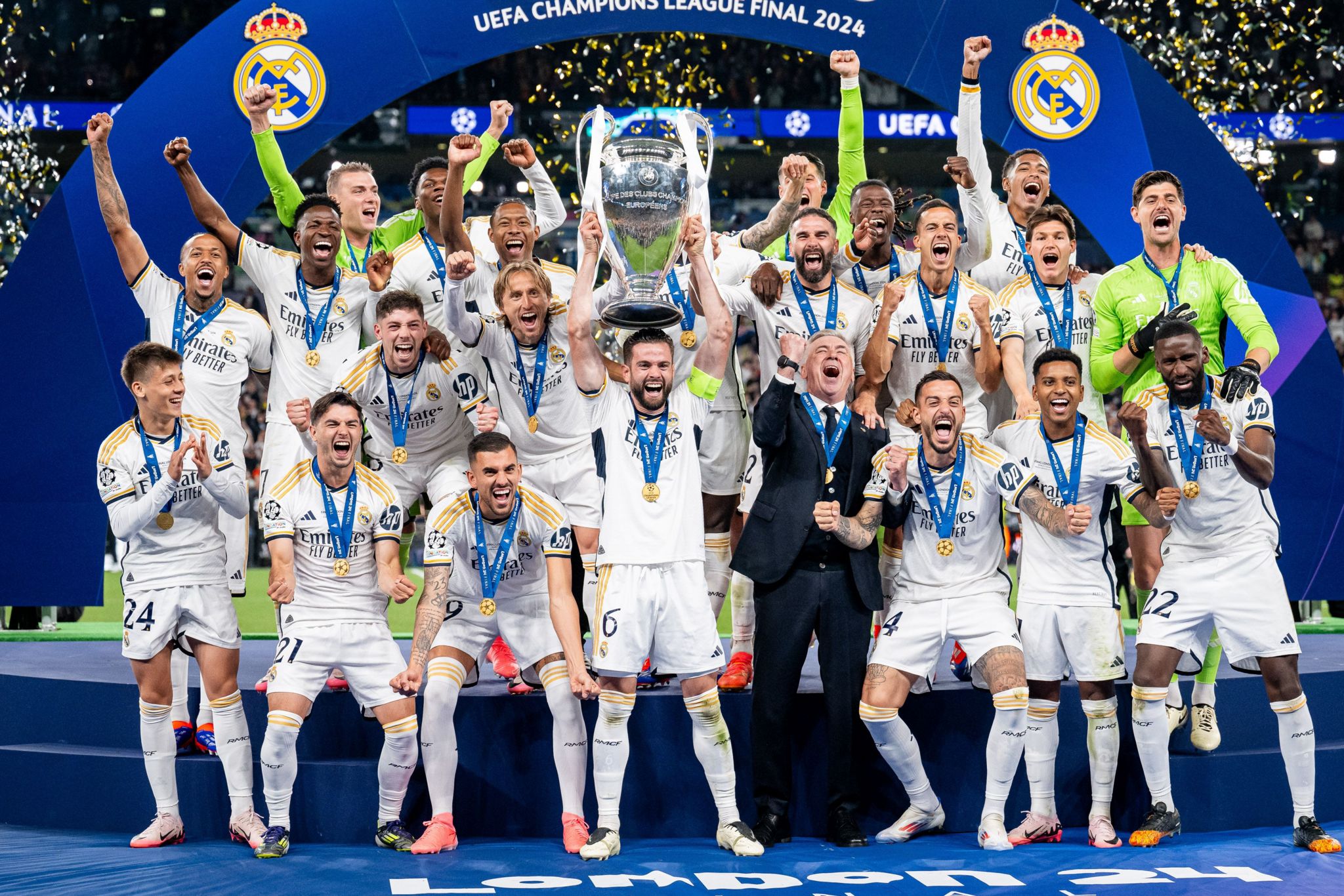
Real Madrid’s Unrivaled UCL Dominance: A Deep Dive into Their Recent European Form
The Tactical Maestro: Unveiling Jose Mourinho’s Champions League Masterpieces
Real Madrid’s UCL Dynasty: Unlocking the Secrets to Their Unrivaled European Dominance
About The Author
