Chasing Immortality: The Complete Guide to the UEFA Champions League Road to Glory
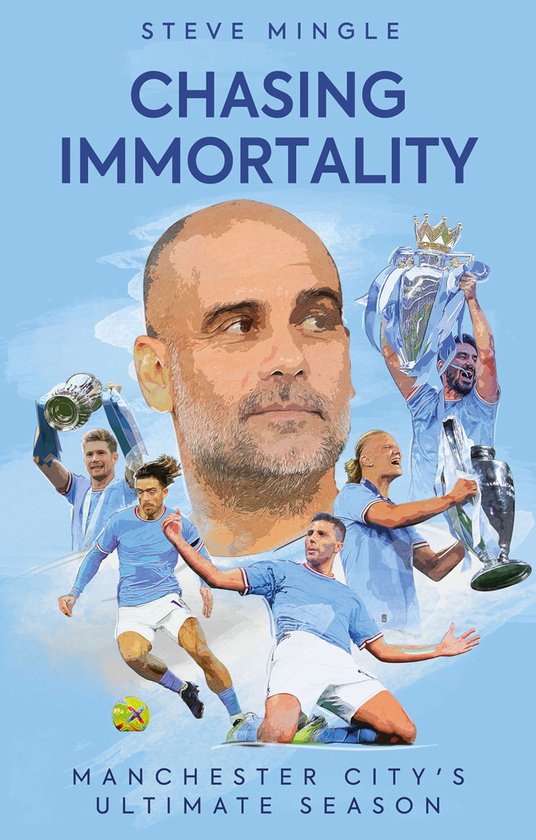
The moment the first notes of Tony Britten’s iconic anthem swell through the stadium speakers, the atmosphere changes. The air becomes thinner, the floodlights seem brighter, and the stakes rise exponentially. This is not just another matchday; this is the UEFA Champions League (UCL). It is the holy grail of club football, a theater of dreams where legends are forged and dynasties are cemented.
For millions of fans around the globe, Tuesday and Wednesday nights are sacred. They represent the pinnacle of athletic achievement, pitting the absolute best against the best. But what exactly goes into this grueling road to glory? How has the competition evolved from a simple knockout tournament into a multi-billion dollar global phenomenon?
In this comprehensive guide, we unveil the intricate layers of the UEFA Champions League, exploring its rich history, its evolving format, the tactical warfare involved, and the sheer emotional weight of lifting the ‘Big Ears’ trophy.
The Genesis: From European Cup to Global Brand
To understand the magnitude of the Champions League today, one must look back at its humble beginnings. Launched in 1955 as the European Champion Clubs’ Cup, it was originally a straightforward knockout tournament open only to the champions of Europe’s domestic leagues. It was raw, unforgiving, and exclusively for the winners.
Real Madrid defined this early era, winning the first five iterations and establishing a romance with the competition that endures to this day. However, as football commercialized and the demand for more high-profile clashes grew, a change was inevitable. In 1992, the competition was rebranded as the UEFA Champions League, introducing a group stage and allowing multiple entries from the strongest leagues.
This rebranding was a masterstroke. It transformed a sporting event into a premium brand. The introduction of the starball logo and the anthem gave the competition an identity that transcended the sport itself, turning it into a spectacle of entertainment and elite performance.
The Grueling Gauntlet: Understanding the Format
The road to the final is long and treacherous. It begins in the heat of summer with qualifying rounds involving champions from smaller nations. These teams fight tooth and nail just for the right to sit at the high table. For the elite clubs, the journey traditionally began in the Group Stage, a round-robin format that has been the staple of European nights for decades.
The Revolutionary Shift: The Swiss Model
However, the landscape of European football is shifting. The 2024/25 season marks the beginning of the most significant format change in decades: the ‘Swiss Model’. Gone is the traditional group stage of 32 teams divided into eight groups. In its place rises a single league phase containing 36 teams.
Under this new system, each team plays eight matches against eight different opponents—four at home and four away. This change is designed to increase the frequency of high-stakes matches between top teams earlier in the competition. Every goal counts, and every point is crucial for the final league table ranking.
The top eight sides qualify automatically for the Round of 16, while those finishing 9th to 24th must navigate a perilous two-legged playoff to join them. This evolution ensures that ‘dead rubber’ matches are virtually eliminated, keeping the drama alive until the final whistle of the league phase.
Tactical Warfare: How Europe is Different
Winning a domestic league requires consistency, but winning the Champions League requires tactical adaptability and nerves of steel. The style of play in the UCL is distinctively different from the Premier League, La Liga, or Serie A. It is often more cautious, more technical, and ruthlessly punishing of mistakes.
The Two-Legged Psychology: The knockout stages introduce a unique psychological element. Managers must balance the urge to attack with the necessity of preservation. A momentary lapse in concentration at home can be fatal, while an away goal (though the rule has been removed, the value of scoring away remains psychologically massive) can silence an entire stadium.
We have seen tactical masterclasses define eras. From the Catenaccio of Italian sides to the Tiki-Taka dominance of Barcelona, and the high-pressing Gegenpressing of modern German and English teams, the Champions League is the laboratory where football’s tactical future is written.
The Economics of Elite Success
It is impossible to discuss the Champions League without acknowledging the financial behemoth it has become. Qualification alone is worth millions, transforming the fortunes of smaller clubs and sustaining the dominance of the giants. The revenue streams from broadcasting rights and commercial sponsorships are staggering.
For clubs like Manchester City, Paris Saint-Germain, and Bayern Munich, the UCL is not just about glory; it is a validation of their business models. The prize money for lifting the trophy exceeds €80 million, but the cumulative value in brand exposure and global merchandising is incalculable.
This financial disparity creates a ‘super club’ ecosystem, yet the magic of the UCL lies in its capacity for surprises. Teams like Ajax, Porto, and Borussia Dortmund have historically defied the odds, proving that a cohesive unit and a brilliant strategy can still topple financial giants.
Icons and Immortals: Players Who Defined the Stage
The history of the Champions League is written by the players who rose to the occasion when the lights were brightest. Cristiano Ronaldo stands as the undisputed king of the competition, holding records for the most goals and appearances. His ability to turn a losing cause into a victory is the essence of the ‘Champions League DNA’.
Lionel Messi, with his mesmerizing dribbles and precision, offered a contrasting but equally dominant narrative. But it isn’t just about the forwards. We think of Paolo Maldini’s defensive elegance, Xavi and Iniesta’s midfield control, and the goalkeeping heroics of Oliver Kahn and Manuel Neuer.
These players didn’t just play in the Champions League; they elevated it. They created moments that are etched in collective memory—Zidane’s volley against Leverkusen, Gerrard’s rallying cry in Istanbul, and Solskjaer’s last-minute winner in Barcelona.
The Magic of the Comeback
The Fan Experience: More Than a Game
For the fans, the Champions League is an emotional odyssey. The ‘European Night’ is a cultural phenomenon. Stadiums transform into cauldrons of noise and color. The traveling support, crossing borders and cultures, creates a tapestry of passion that is unique to continental competition.
From the ‘Yellow Wall’ in Dortmund to the Kop in Liverpool and the San Siro in Milan, the atmosphere during a UCL knockout game is electric. It is a celebration of European diversity united by a common language: football.
Conclusion: The Eternal Allure
The UEFA Champions League remains the ultimate litmus test for greatness. Domestic titles are a testament to consistency, but the Champions League is a testament to peak performance, mental fortitude, and destiny. It is the road to glory that every young footballer dreams of walking.
As the format evolves and new stars emerge, the essence of the competition remains unchanged. It is the pursuit of the ‘Big Ears’, a silver trophy that signifies you have conquered the continent. For the clubs, the players, and the fans, the road is long and full of peril, but the glory of reaching the summit is eternal.

Champions League Stats: Decoding the Data Behind the Dominance

Clash of Titans: Benfica vs. Real Madrid – The Ultimate Tactical Showdown and Key Battles to Watch
Decoding the UCL Table: Why Every Point is a Matter of Life and Death
About The Author
