The Special One’s Immortal Touch: How Mourinho Forever Reshaped the Champions League
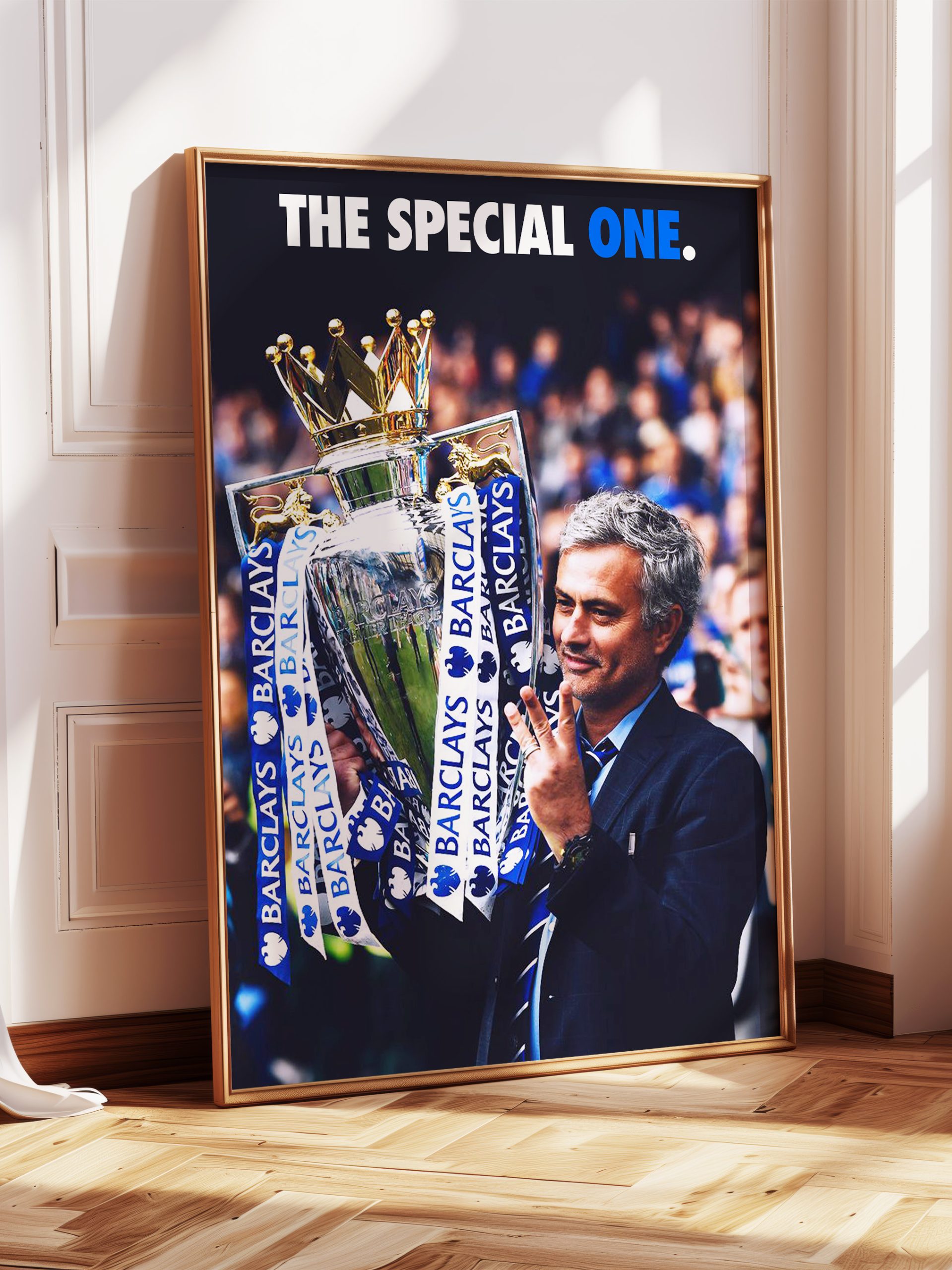
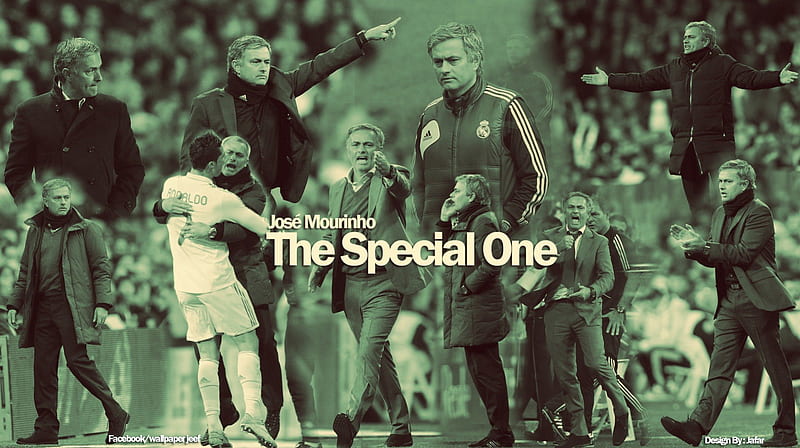
In the pantheon of footballing greats, few figures cast a shadow as long and as controversial as José Mourinho. Dubbed ‘The Special One’ early in his career, Mourinho wasn’t just a manager; he was a phenomenon, a force of nature who arrived on the European stage with a clear message: he was here to win, and he would do it his way. His impact on the UEFA Champions League, the pinnacle of club football, is not merely a chapter in its history; it’s a fundamental rewrite of the script, altering how teams approached the competition forever.
Before Mourinho, the Champions League often felt like a playground for established giants, a predictable cycle of traditional powerhouses vying for glory. Mourinho shattered this illusion, proving that with meticulous planning, unwavering belief, and a touch of tactical genius, any team could conquer Europe. His journey is a testament to innovation, resilience, and an unshakeable will to triumph.
His influence extends beyond mere trophy counts; it’s embedded in the tactical blueprints, the psychological battles, and the very narrative of elite European football. This article will dissect the multifaceted legacy of José Mourinho and illustrate precisely how he became the architect of a new Champions League era.
The Porto Miracle: A Blueprint for Disruption (2004)
The year 2004 stands as a watershed moment in Champions League history, largely thanks to a relatively unknown Portuguese manager named José Mourinho. Leading FC Porto, a team not considered among Europe’s elite, to an improbable Champions League triumph was nothing short of a miracle – but it was a miracle meticulously engineered.
Porto’s victory wasn’t a fluke; it was a masterclass in tactical discipline, defensive solidity, and devastatingly efficient counter-attacking football. Mourinho transformed a collection of talented but unheralded players into a cohesive, unyielding unit that systematically dismantled more illustrious opponents.
Tactical Ingenuity: Outsmarting the Giants
Mourinho’s Porto wasn’t about individual superstars; it was about a perfectly executed system. He employed a pragmatic yet potent 4-4-2 formation, emphasizing positional awareness, relentless pressing, and rapid transitions. Opponents found themselves suffocated, unable to break down Porto’s organized defense, only to be hit by lightning-fast breaks.
He famously outmaneuvered Sir Alex Ferguson’s Manchester United in the last 16, a moment that truly announced his arrival. His passionate sprint down the touchline after Costinha’s late equalizer became an iconic image, symbolizing the fiery spirit he instilled in his squad. This wasn’t just a team; it was a family, united under a charismatic leader.
Building an Underdog Mentality: Belief Against All Odds
More than tactics, Mourinho injected an unparalleled belief into his Porto players. He convinced them they were not just capable of competing, but capable of winning. This ‘us against the world’ mentality became a hallmark of his teams, fostering an incredible camaraderie and resilience that allowed them to defy expectations repeatedly.
The Inter Milan Treble: The Ultimate Tactical Masterclass (2010)
If Porto was his introduction, Inter Milan’s historic treble in 2010 was Mourinho’s magnum opus. Facing arguably the greatest club team of all time – Pep Guardiola’s Barcelona – Mourinho orchestrated a tactical triumph that still resonates today. This wasn’t just a win; it was a statement, a testament to the power of defensive organization and counter-punching brilliance.
Inter’s journey to the final, particularly their semi-final clash against Barcelona, is etched into Champions League folklore. Mourinho’s side, reduced to ten men for much of the second leg at Camp Nou, produced one of the most heroic defensive displays ever witnessed, frustrating Barcelona’s tiki-taka machine and clinging to their aggregate lead.
The Tactical Blockade: Neutralizing Superiority
Mourinho’s game plan against Barcelona was revolutionary. He sacrificed possession, ceding control to the Catalans, but denied them any meaningful space in dangerous areas. His team formed impenetrable lines, forcing Barcelona wide and limiting their ability to play through the middle. Every player knew their role, every pass was anticipated, every run tracked.
It was a masterclass in ‘anti-football’ to some, but to others, it was pure tactical genius – a demonstration that there are multiple ways to win, even against seemingly insurmountable odds. This victory proved that defensive solidity and strategic counter-attacking could indeed trump free-flowing attacking football on the biggest stage.
Emotional Connection: Inspiring the Troops
Beyond the tactics, Mourinho forged an unbreakable bond with his Inter players. He protected them fiercely from external criticism, absorbed all the pressure himself, and in return, demanded absolute loyalty and effort. The sight of Mourinho embracing Materazzi in tears after the final whistle against Bayern Munich perfectly encapsulated this deep emotional connection.
Mourinho’s Enduring Tactical & Psychological Innovations
Mourinho’s legacy extends far beyond his trophy cabinet. He introduced and popularized several tactical and psychological elements that became commonplace in modern football, particularly in the Champions League.
The Art of Defensive Organization: Making Defense an Attacking Weapon
Mourinho redefined defense. For him, a strong defense wasn’t just about preventing goals; it was the foundation for attacking. His teams were renowned for their disciplined back lines, intelligent pressing traps, and the ability to turn defense into swift, devastating attacks. He showed that defensive mastery could be just as aesthetically pleasing and effective as relentless offense.
Mastering Transitions: Speed and Precision
His teams were masters of transition. The speed with which they could turn over possession and launch an attack was breathtaking. This required not only physical fitness but also an acute understanding of spatial awareness and immediate decision-making – hallmarks of a Mourinho-coached side.
Psychological Warfare: The Mind Games Maestro
Mourinho elevated ‘mind games’ to an art form. His press conferences were legendary, often designed to deflect pressure from his players, sow seeds of doubt in opponents, or rally his own squad against perceived injustices. This psychological edge often proved crucial in tight Champions League encounters, giving his teams an invisible, yet potent, advantage.
He created an ‘us vs. them’ narrative that unified his dressing room, fostering an intense loyalty and fighting spirit. This collective mentality, reinforced by his public statements, made his teams incredibly resilient and difficult to beat.
Challenging the Conventional Wisdom & Breaking Dynasties
Mourinho consistently challenged the established order. He proved that financial might alone wasn’t enough to guarantee Champions League success; tactical acumen and mental fortitude were equally, if not more, important.
He wasn’t afraid to take on the most dominant teams of his era, whether it was Ferguson’s Manchester United, Wenger’s Arsenal, or Guardiola’s Barcelona. He developed specific game plans to nullify their strengths, often succeeding where others failed. This willingness to innovate and adapt against superior opponents fundamentally altered how elite managers approached these high-stakes clashes.
His influence can be seen in managers who followed, adopting elements of his defensive pragmatism, transitional play, and psychological approach. He opened the door for a wider array of tactical approaches to succeed in the Champions League, moving away from a single dominant philosophy.
Later Spells and Enduring Influence
While his later Champions League campaigns with Real Madrid, Chelsea (second spell), and Manchester United didn’t yield further trophies, his presence always commanded attention. At Real Madrid, he built a team capable of challenging Barcelona’s hegemony, setting the stage for their future successes. He consistently reached semi-finals, demonstrating his continued ability to navigate the demanding knockout stages.
Even when his teams didn’t lift the trophy, they were always formidable opponents, equipped with a clear identity and a fierce will to win. Mourinho instilled a culture of winning wherever he went, a relentless pursuit of perfection that inevitably left a lasting mark on every club he managed.
His legacy is complex, often polarizing, but undeniably profound. He forced football to reconsider its definitions of beauty and effectiveness, proving that winning could be achieved through various means, not just one prescribed style.
The ‘Mourinho blueprint’ – characterized by tactical flexibility, defensive solidity, rapid transitions, and unparalleled mental strength – continues to be studied and emulated by aspiring managers. He showed that the manager’s role is not just about coaching on the training ground, but about managing expectations, manipulating narratives, and building an unshakeable belief system.
Conclusion: The Architect of Modern European Football
José Mourinho’s impact on the Champions League is indelible. He arrived as an outsider, a bold provocateur, and left an undisputed legend who reshaped the competition’s tactical landscape and psychological battlegrounds. From the ‘miracle’ of Porto to the historic treble with Inter Milan, he consistently defied expectations, proving that with the right strategy and an indomitable spirit, anything is possible.
He taught us that defense can be an art form, that belief can move mountains, and that the greatest victories often come from the most unexpected places. The Champions League today, with its diverse tactical approaches and intense managerial rivalries, owes a significant debt to ‘The Special One’. Mourinho didn’t just win the Champions League; he changed it forever, leaving an enduring legacy as one of football’s most influential and transformative figures.
His name will forever be synonymous with audacious tactics, unforgettable moments, and the unyielding pursuit of glory on Europe’s grandest stage. He truly is, and always will be, The Special One.
Real Madrid’s UCL Schedule: Decoding Their Route to Unprecedented Glory
Mourinho’s Masterclass Moments: Unpacking the Champions League Magic
Real Madrid’s Relentless Pursuit: Can They Conquer the Champions League Again?
About The Author
