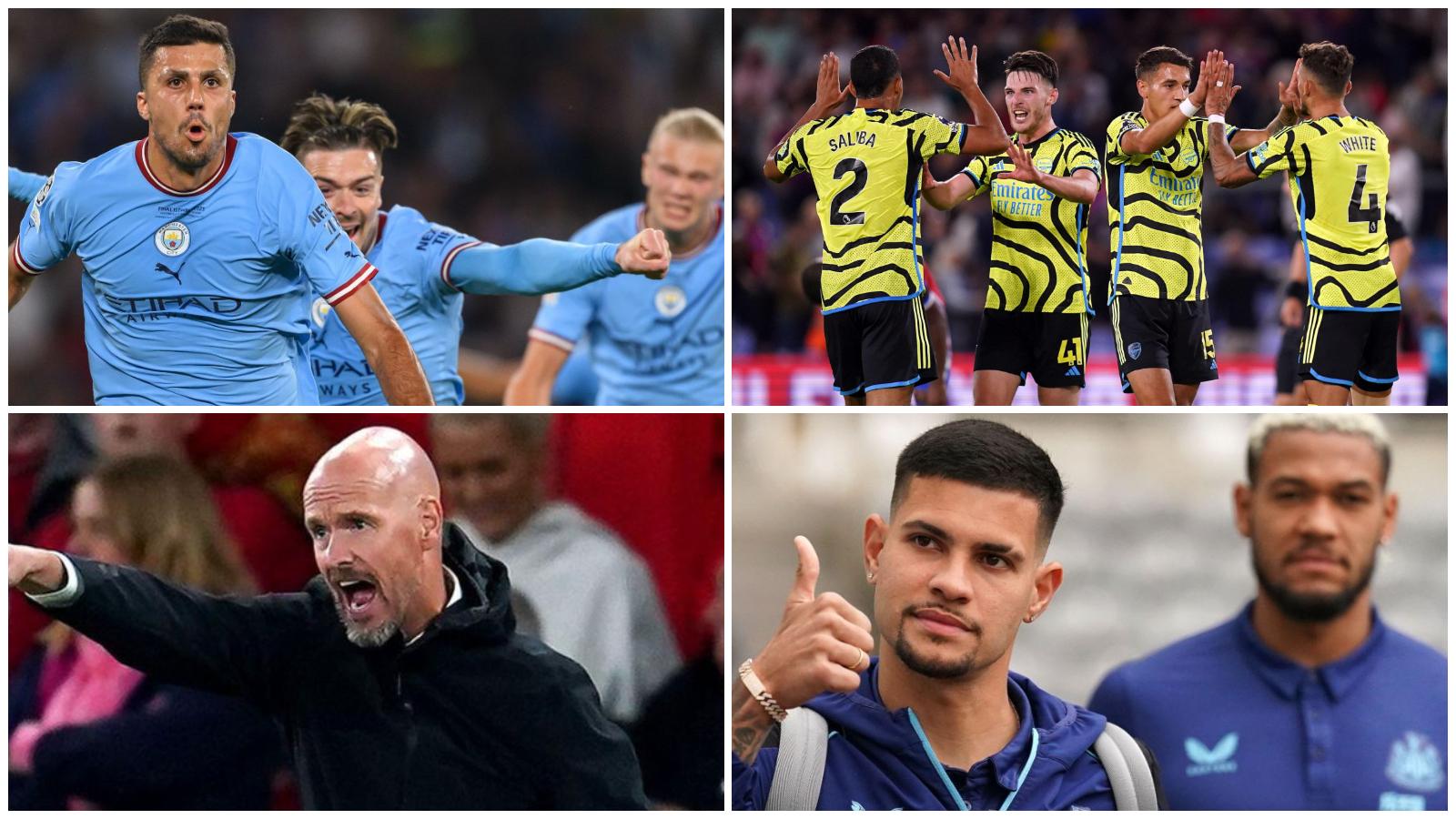
The lights dim in Nyon, the iconic anthem swells, and football fans across the globe collectively hold their breath. The UEFA Champions League draw is never just a procedural event; it is the catalyst for the season’s most dramatic narratives. As the balls were plucked from the bowls, the destiny of Europe’s elite was sealed, sparking a frenzy of excitement, dread, and debate across social media platforms and television studios alike.
For some, the draw represents a golden ticket—a clear path to the knockout stages paved with favorable matchups. For others, it is a sentence to the proverbial Group of Death, where giants collide prematurely, and dreams of European glory face an early, brutal test. In this comprehensive analysis, we dissect the immediate aftermath of the draw, exploring the raw emotion of the fans and the cold, calculated predictions of the experts.
The Inevitable Group of Death: A Tactical Nightmare
Experts are already labeling this group as a "war of attrition." Tactical analysts suggest that surviving this group isn’t about playing beautiful football; it’s about pragmatic game management. With away days at hostile stadiums and zero margin for error, the teams involved must treat every group stage fixture like a cup final. The consensus is clear: one major contender is going home early to the Europa League, or worse, crashing out of Europe entirely.
From a fan perspective, the reaction depends entirely on allegiance. Supporters of the teams involved have flooded forums with expressions of anxiety, using words like "disaster" and "rigged." Conversely, neutral fans are celebrating the prospect of heavyweight clashes as early as Matchday 1. The sheer density of quality in this group guarantees high viewership numbers and headline-grabbing drama.
The Favorites: An Easy Path or a Trap?
While chaos reigns in the Group of Death, other European royalty seem to have been blessed by the football gods. The defending champions and perennial favorites appear to have secured routes that, on paper, look navigable. However, seasoned analysts warn against the danger of complacency. In the Champions League, there are no truly "easy" games.
Fan sentiment regarding the favorites is mixed with skepticism. Rival fans are quick to accuse UEFA of "heating the balls" to protect the biggest market assets, a conspiracy theory that trends on Twitter every single year without fail. Meanwhile, fans of the favored clubs are cautiously optimistic, already plotting their potential route to the final, perhaps prematurely looking past the group stage hurdles.
Tactically, these "easier" groups present a different challenge: rotation. Managers of top-tier clubs will look to utilize these fixtures to rest key players for domestic title charges. This opens the door for upsets if the squad depth isn’t utilized correctly. As history has shown, underestimating a disciplined underdog at home is the quickest way to derail a campaign.
Social Media Meltdown: Memes, Banter, and Fury
No modern football event is complete without the accompanying digital circus. The Champions League draw ignited a firestorm on X (formerly Twitter), Instagram, and TikTok. Within minutes of the finalized groups, the memes began to flow. The creativity of the football community remains undefeated, with viral images depicting managers sweating nervously or rival fans hiding in bushes.
One of the prevailing themes on social media this year was the return of familiar rivalries. Fans were quick to point out the repetitive nature of certain matchups, joking that the scriptwriters at UEFA are running out of ideas. "If I see these two teams play one more time, I’m switching to tennis," joked one viral tweet that garnered thousands of likes, highlighting the fatigue some fans feel regarding specific recurring fixtures.
However, beyond the humor lies genuine passion. The hashtags associated with the draw trended globally for hours, proving that despite the complaints about format changes or commercialization, the allure of the European Cup remains the pinnacle of club football. The digital noise serves as a barometer for the hype, and the needle is currently in the red zone.
The Dark Horses: Who Could Surprise Us?
Amidst the noise surrounding the super-clubs, expert analysis has identified several Dark Horses capable of upsetting the established order. These are teams that play high-intensity, modern football and possess stadiums that become cauldrons of noise on European nights. They may not have the budget of the state-owned clubs, but they have the tactical identity to cause problems.
- The High-Pressing Underdogs: Teams that utilize aggressive pressing traps are expected to catch possession-heavy giants off guard.
- The Fortress Factor: Clubs with historically intimidating home atmospheres can turn the tide against technically superior opposition.
- The Returning Giants: Historic clubs returning to the UCL after a hiatus often ride a wave of emotional momentum that can carry them through the group stages.
Analysts are advising punters and fantasy football managers to keep an eye on these squads. While they may not lift the trophy in June, they are prime candidates to knock out a favorite in the Round of 16, altering the entire landscape of the tournament.
Managerial Reactions: The Poker Face
The cameras always cut to the club representatives immediately after their names are drawn. The range of expressions—from stoic acceptance to wry smiles—tells a story of its own. In the post-draw interviews, managers have engaged in the typical diplomatic dance, praising their opponents while subtly projecting confidence.
"We respect every opponent at this level," is the standard line, but the subtext is often different. Behind closed doors, data analysts are already at work. They are breaking down the travel logistics, the fixture congestion, and the specific tactical weaknesses of their group stage rivals. For the managers, the draw isn’t about emotion; it’s about logistics and strategy.
Some managers, particularly those in the tougher groups, have already started the mind games. By labeling themselves as underdogs or praising the financial power of their opponents, they seek to shift the pressure away from their own players. It is a psychological battle that begins months before a ball is even kicked.
Player Reunions and Narrative Arcs
Football thrives on narrative, and this draw has delivered plenty. We are set to witness star strikers returning to the clubs where they made their names, and managers facing the teams that unceremoniously sacked them. These storylines add a layer of spice to the fixtures that goes beyond the three points.
Fans love these moments. The reception a returning player gets—whether it be a standing ovation or a chorus of boos—often dictates the atmosphere of the match. Experts note that these emotional factors can influence the outcome of a game just as much as tactics. A player desperate to prove a point to a former employer is a dangerous weapon.
The Financial Stakes
While fans focus on glory, the boardrooms focus on the balance sheet. The draw has massive financial implications. Being drawn against high-profile teams guarantees sell-out crowds and increased merchandise sales. Conversely, a group lacking "glamour" ties might result in lower gate receipts, even if it offers a better chance of progression.
For smaller clubs, drawing a giant like Real Madrid or Manchester City is winning the lottery. It puts their players in the shop window and boosts their global brand visibility. The economic disparity in the competition is vast, and the draw is the moment where that gap is either highlighted or temporarily bridged by the magic of the game.
Conclusion: Let the Games Begin
The balls have been drawn, the dates are set, and the talking is nearly over. The reaction to the Champions League draw highlights exactly why this competition is the zenith of club sports. It combines the tribalism of local support with the grandeur of international spectacle.
From the anxiety of the Group of Death to the optimism of the dark horses, the stage is set for another unforgettable campaign. Whether you are analyzing the xG (Expected Goals) data or just making memes on Twitter, one thing is certain: when that anthem plays on Matchday 1, the world will be watching.

Champions League Draw Verdict: The Group of Death, Fan Meltdowns, and Expert Predictions
The lights dim in Nyon, the iconic anthem swells, and football fans across the globe collectively hold their breath. The UEFA Champions League draw is never just a procedural event; it is the catalyst for the season’s most dramatic narratives. As the balls were plucked from the bowls, the destiny of Europe’s elite was sealed, sparking a frenzy of excitement, dread, and debate across social media platforms and television studios alike.
For some, the draw represents a golden ticket—a clear path to the knockout stages paved with favorable matchups. For others, it is a sentence to the proverbial Group of Death, where giants collide prematurely, and dreams of European glory face an early, brutal test. In this comprehensive analysis, we dissect the immediate aftermath of the draw, exploring the raw emotion of the fans and the cold, calculated predictions of the experts.
The Inevitable Group of Death: A Tactical Nightmare
Experts are already labeling this group as a "war of attrition." Tactical analysts suggest that surviving this group isn’t about playing beautiful football; it’s about pragmatic game management. With away days at hostile stadiums and zero margin for error, the teams involved must treat every group stage fixture like a cup final. The consensus is clear: one major contender is going home early to the Europa League, or worse, crashing out of Europe entirely.
From a fan perspective, the reaction depends entirely on allegiance. Supporters of the teams involved have flooded forums with expressions of anxiety, using words like "disaster" and "rigged." Conversely, neutral fans are celebrating the prospect of heavyweight clashes as early as Matchday 1. The sheer density of quality in this group guarantees high viewership numbers and headline-grabbing drama.
The Favorites: An Easy Path or a Trap?
While chaos reigns in the Group of Death, other European royalty seem to have been blessed by the football gods. The defending champions and perennial favorites appear to have secured routes that, on paper, look navigable. However, seasoned analysts warn against the danger of complacency. In the Champions League, there are no truly "easy" games.
Fan sentiment regarding the favorites is mixed with skepticism. Rival fans are quick to accuse UEFA of "heating the balls" to protect the biggest market assets, a conspiracy theory that trends on Twitter every single year without fail. Meanwhile, fans of the favored clubs are cautiously optimistic, already plotting their potential route to the final, perhaps prematurely looking past the group stage hurdles.
Tactically, these "easier" groups present a different challenge: rotation. Managers of top-tier clubs will look to utilize these fixtures to rest key players for domestic title charges. This opens the door for upsets if the squad depth isn’t utilized correctly. As history has shown, underestimating a disciplined underdog at home is the quickest way to derail a campaign.
Social Media Meltdown: Memes, Banter, and Fury
No modern football event is complete without the accompanying digital circus. The Champions League draw ignited a firestorm on X (formerly Twitter), Instagram, and TikTok. Within minutes of the finalized groups, the memes began to flow. The creativity of the football community remains undefeated, with viral images depicting managers sweating nervously or rival fans hiding in bushes.
One of the prevailing themes on social media this year was the return of familiar rivalries. Fans were quick to point out the repetitive nature of certain matchups, joking that the scriptwriters at UEFA are running out of ideas. "If I see these two teams play one more time, I’m switching to tennis," joked one viral tweet that garnered thousands of likes, highlighting the fatigue some fans feel regarding specific recurring fixtures.
However, beyond the humor lies genuine passion. The hashtags associated with the draw trended globally for hours, proving that despite the complaints about format changes or commercialization, the allure of the European Cup remains the pinnacle of club football. The digital noise serves as a barometer for the hype, and the needle is currently in the red zone.
The Dark Horses: Who Could Surprise Us?
Amidst the noise surrounding the super-clubs, expert analysis has identified several Dark Horses capable of upsetting the established order. These are teams that play high-intensity, modern football and possess stadiums that become cauldrons of noise on European nights. They may not have the budget of the state-owned clubs, but they have the tactical identity to cause problems.
Analysts are advising punters and fantasy football managers to keep an eye on these squads. While they may not lift the trophy in June, they are prime candidates to knock out a favorite in the Round of 16, altering the entire landscape of the tournament.
Managerial Reactions: The Poker Face
The cameras always cut to the club representatives immediately after their names are drawn. The range of expressions—from stoic acceptance to wry smiles—tells a story of its own. In the post-draw interviews, managers have engaged in the typical diplomatic dance, praising their opponents while subtly projecting confidence.
"We respect every opponent at this level," is the standard line, but the subtext is often different. Behind closed doors, data analysts are already at work. They are breaking down the travel logistics, the fixture congestion, and the specific tactical weaknesses of their group stage rivals. For the managers, the draw isn’t about emotion; it’s about logistics and strategy.
Some managers, particularly those in the tougher groups, have already started the mind games. By labeling themselves as underdogs or praising the financial power of their opponents, they seek to shift the pressure away from their own players. It is a psychological battle that begins months before a ball is even kicked.
Player Reunions and Narrative Arcs
Football thrives on narrative, and this draw has delivered plenty. We are set to witness star strikers returning to the clubs where they made their names, and managers facing the teams that unceremoniously sacked them. These storylines add a layer of spice to the fixtures that goes beyond the three points.
Fans love these moments. The reception a returning player gets—whether it be a standing ovation or a chorus of boos—often dictates the atmosphere of the match. Experts note that these emotional factors can influence the outcome of a game just as much as tactics. A player desperate to prove a point to a former employer is a dangerous weapon.
The Financial Stakes
While fans focus on glory, the boardrooms focus on the balance sheet. The draw has massive financial implications. Being drawn against high-profile teams guarantees sell-out crowds and increased merchandise sales. Conversely, a group lacking "glamour" ties might result in lower gate receipts, even if it offers a better chance of progression.
For smaller clubs, drawing a giant like Real Madrid or Manchester City is winning the lottery. It puts their players in the shop window and boosts their global brand visibility. The economic disparity in the competition is vast, and the draw is the moment where that gap is either highlighted or temporarily bridged by the magic of the game.
Conclusion: Let the Games Begin
The balls have been drawn, the dates are set, and the talking is nearly over. The reaction to the Champions League draw highlights exactly why this competition is the zenith of club sports. It combines the tribalism of local support with the grandeur of international spectacle.
From the anxiety of the Group of Death to the optimism of the dark horses, the stage is set for another unforgettable campaign. Whether you are analyzing the xG (Expected Goals) data or just making memes on Twitter, one thing is certain: when that anthem plays on Matchday 1, the world will be watching.
Related Posts
Champions League Bracket Challenge: Predict the Glory!
Real Madrid: How Los Blancos Became the Undisputed Kings of Europe
Champions League Playoffs: The Ultimate Test of Strength
About The Author