Decoding Mourinho: A Tactical Masterclass in Champions League Domination
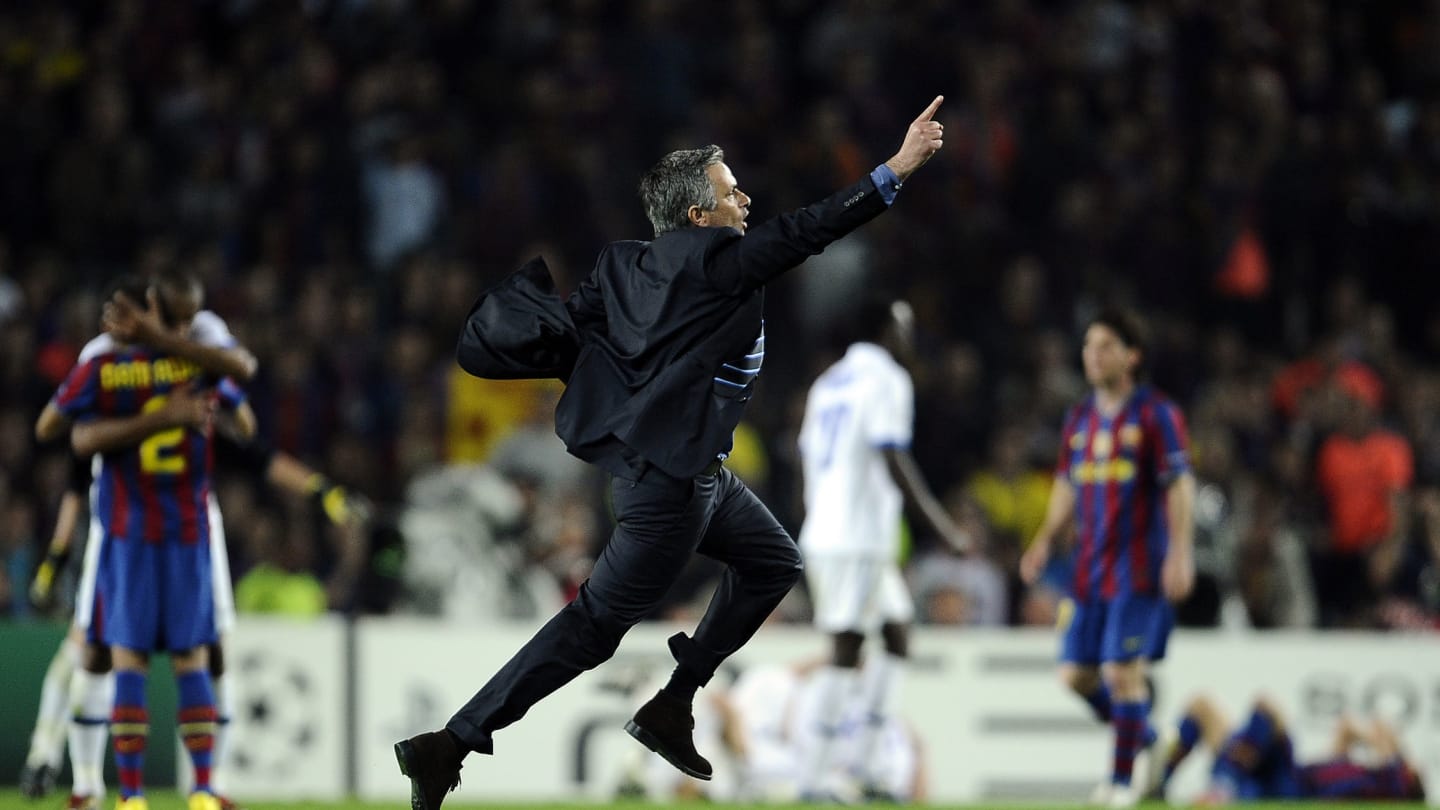
Jose Mourinho. The name itself evokes images of tactical brilliance, unwavering confidence, and, above all, winning. While his managerial journey has seen its share of controversies, one thing remains undeniable: his unparalleled success in the UEFA Champions League. But what exactly are the tactical secrets that underpin Mourinho’s UCL triumphs? How has he managed to consistently outwit some of the world’s best managers on the biggest stage? This article delves deep into the ‘Special One’s’ tactical playbook, dissecting the strategies, formations, and psychological ploys that have defined his Champions League legacy.
Mourinho’s tactical philosophy isn’t about adhering to a rigid system; it’s about adapting and exploiting weaknesses. He prioritizes pragmatism over idealism, focusing on nullifying the opposition’s strengths while maximizing his team’s potential in key areas. This adaptability is a cornerstone of his success, allowing him to tailor his approach to each opponent and situation.
One of the hallmarks of Mourinho’s teams is their defensive solidity. He builds his teams from the back, emphasizing organization, discipline, and relentless work ethic. He often employs a deep defensive line, making it difficult for opponents to penetrate the central areas. This creates a compact shape that limits space and forces the opposition to play around the flanks, where they are less dangerous.
A key component of Mourinho’s defensive strategy is the use of a double-pivot in midfield. These two holding midfielders provide extra protection to the defense, shielding the back four and breaking up opposition attacks. They are also responsible for winning back possession and initiating counter-attacks. Players like Claude Makelele (at Chelsea), Esteban Cambiasso (at Inter Milan), and Xabi Alonso (at Real Madrid) have all thrived in this role under Mourinho, becoming integral to his defensive structure.
While renowned for his defensive prowess, Mourinho is also a master of the counter-attack. He understands that winning in the Champions League often requires soaking up pressure and hitting opponents on the break. His teams are drilled to transition quickly from defense to attack, exploiting any defensive vulnerabilities left by the opposition.
The speed and precision of Mourinho’s counter-attacks are often devastating. He emphasizes quick, direct passing and intelligent movement off the ball. Wingers are instructed to stretch the play and provide width, while strikers are expected to make intelligent runs in behind the defense. The aim is to create goal-scoring opportunities with minimal passes, catching the opposition off guard and capitalizing on their defensive disorganization.
Mourinho’s tactical approach is not just about formations and strategies; it’s also about understanding the psychological aspect of the game. He is a master of mind games, using pre-match press conferences and sideline antics to unsettle opponents and motivate his own players.
He often uses provocative statements to deflect pressure from his team and create a siege mentality. By portraying his team as underdogs or victims of unfair treatment, he galvanizes his players and fosters a strong sense of unity. This psychological edge can be crucial in high-pressure Champions League matches.
The 4-3-3 formation provides a balanced approach, offering both defensive solidity and attacking firepower. The three midfielders provide a solid base in midfield, while the three forwards offer a threat in attack. This formation allows for flexibility, with the wingers able to track back and support the defense when needed.
The 4-4-2 formation is a more traditional approach, emphasizing defensive organization and disciplined play. The two banks of four make it difficult for opponents to break through the midfield, while the two strikers can pose a threat on the counter-attack. This formation is particularly effective against teams that rely on possession-based football.
The 4-2-3-1 formation is a more attacking approach, with three attacking midfielders supporting the lone striker. This formation allows for creativity and flair in the final third, while the two holding midfielders provide defensive cover. This formation is particularly effective against teams that play with a high defensive line.
Mourinho’s success in the Champions League is not just down to his tactical acumen; it’s also about his ability to identify and develop talented players. He has a knack for spotting players with the right mentality and work ethic, and he knows how to get the best out of them. He instills a winning mentality in his players, demanding the highest standards of performance and dedication.
He is also a master of man-management, building strong relationships with his players and earning their trust and respect. He understands that each player is different and requires a different approach. He knows how to motivate his players, whether it’s through praise, criticism, or a combination of both.
Mourinho’s Champions League record speaks for itself. He has won the competition twice, with Porto in 2004 and Inter Milan in 2010. He has also reached the semi-finals on numerous occasions with Chelsea, Real Madrid, and other clubs. His ability to consistently challenge for the Champions League title is a testament to his tactical brilliance and managerial skills.
His 2004 Champions League triumph with Porto was particularly remarkable. He led a relatively unfancied team to victory, defeating some of Europe’s biggest clubs along the way. His tactical masterclass in the final against Monaco cemented his reputation as one of the world’s best managers.
Another example of Mourinho’s tactical genius was his 2010 Champions League win with Inter Milan. He transformed Inter into a formidable defensive unit, nullifying the attacking threat of Barcelona in the semi-finals and defeating Bayern Munich in the final. His tactical approach in these matches was widely praised by pundits and fans alike.
Mourinho’s tactical approach has not been without its critics. Some accuse him of being too defensive and pragmatic, prioritizing results over entertainment. Others argue that his teams are overly reliant on individual brilliance and lack a cohesive attacking philosophy. However, even his critics cannot deny his success in the Champions League.
Jose Mourinho’s tactical brilliance in the Champions League stems from his adaptability, defensive solidity, counter-attacking prowess, psychological mastery, and player management skills. He is a master of pragmatism, tailoring his approach to each opponent and situation. While his methods may not always be aesthetically pleasing, they are undeniably effective. His Champions League triumphs with Porto and Inter Milan stand as testaments to his tactical genius and unwavering commitment to winning. He is a true master of the game, and his legacy in the Champions League will endure for generations to come.
Understanding Mourinho’s formations involves more than just recognizing shapes on a whiteboard. It’s about grasping the underlying principles and how they translate into on-field action. For instance, the 4-3-3, when deployed by Mourinho, often morphed into a 4-5-1 defensively, with wingers dropping deep to bolster the midfield. This created a near-impenetrable wall, frustrating opponents and forcing them into errors.
Mourinho’s teams are known for their tactical fouls – strategically timed infringements that disrupt the opponent’s rhythm and prevent dangerous attacks from developing. While controversial, these fouls are a calculated part of his game plan, often breaking up play in midfield and preventing the opposition from building momentum.
The ‘us against the world’ mentality is a recurring theme in Mourinho’s managerial career. He cultivates a strong sense of camaraderie within his squad, fostering a belief that they are fighting against external forces. This siege mentality can be a powerful motivator, driving players to perform beyond their perceived limitations.
Mourinho’s game management is another key aspect of his tactical approach. He is adept at making timely substitutions and tactical adjustments to influence the flow of the game. He often uses substitutions to inject fresh energy into the team, change the tactical balance, or exploit specific weaknesses in the opposition’s defense.
Mourinho’s tactical evolution is a fascinating study. While his core principles remain consistent, he has adapted his approach over time to reflect changes in the game. He has become more willing to embrace attacking football, while still maintaining his emphasis on defensive solidity. This adaptability is crucial for long-term success in the ever-evolving world of football.
One of the most significant trends in modern football is the rise of high-pressing tactics. Teams are increasingly looking to win back possession high up the pitch, forcing the opposition into mistakes and creating goal-scoring opportunities. Mourinho has adapted to this trend by incorporating elements of high-pressing into his game plan, particularly in certain situations and against specific opponents.
Mourinho’s legacy extends beyond trophies and tactical innovations. He has also influenced a generation of coaches, many of whom have adopted his tactical principles and managerial techniques. His impact on the game is undeniable, and his influence will continue to be felt for years to come.
In conclusion, Jose Mourinho’s tactical mastery in the Champions League is a multifaceted phenomenon. It encompasses defensive organization, counter-attacking brilliance, psychological warfare, astute player management, and continuous adaptation. His pragmatic approach, while sometimes controversial, has consistently delivered results on the biggest stage. He remains a force to be reckoned with, and his tactical legacy will continue to inspire and influence the game for generations to come.
UCL Standings Explained: Decoding the Group Stage Permutations for Knockout Glory

Kings of Europe or a Fading Dynasty? Assessing Real Madrid’s Champions League Contention
UCL Scores and Stats: Dive Deep into Every Champions League Match
About The Author
