Beyond the Numbers: Unpacking Benfica’s Enduring Champions League Saga
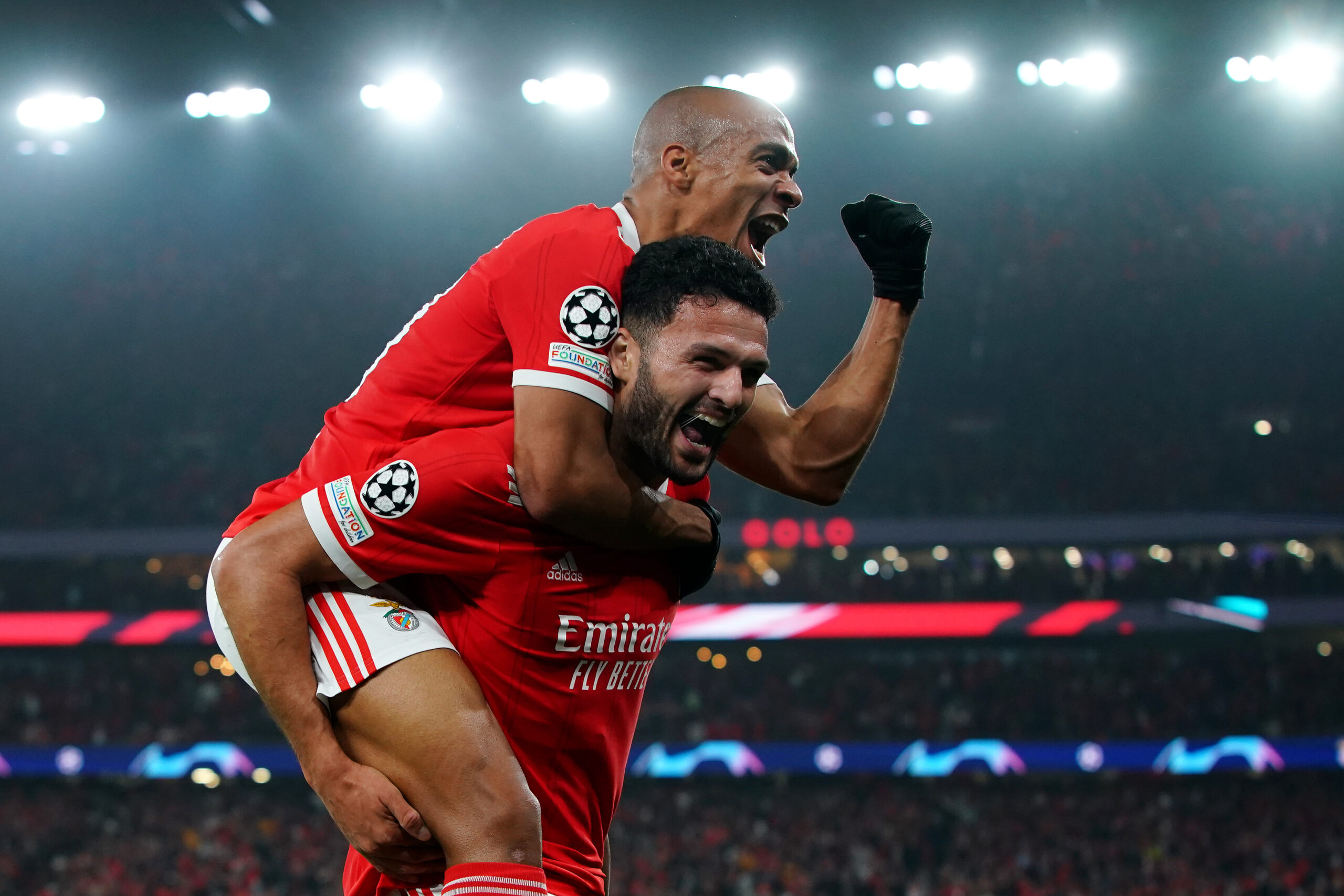
In the glittering pantheon of European football, few clubs evoke a blend of historical grandeur, tantalizing potential, and a persistent whisper of heartbreak quite like Sport Lisboa e Benfica. Their name is synonymous with the UEFA Champions League, or its predecessor the European Cup, a competition where they have carved out a legacy both glorious and agonizing.
But what truly defines Benfica’s presence on Europe’s grandest stage? Is it merely the tally of appearances, goals scored, or knockout stage qualifications? We say, emphatically, no. To truly understand Benfica’s Champions League narrative, we must venture beyond the numbers, delving into the unseen forces, the emotional tides, and the tactical nuances that paint a far richer picture.
This comprehensive analysis will peel back the layers of statistics, revealing the true essence of the Eagles’ European odyssey. Prepare to journey through history, dissect strategies, celebrate heroes, and confront the enduring psychological battles that have shaped Benfica’s quest for continental supremacy.
A Storied Legacy: Benfica’s European Footprint
Benfica’s early dominance in the European Cup is the stuff of legend. Under the guidance of Béla Guttmann and spearheaded by the incomparable Eusébio, the club clinched back-to-back titles in 1961 and 1962, dismantling giants like Barcelona and Real Madrid along the way. These triumphs established Benfica as a true European powerhouse, a beacon of Portuguese football on the international stage.
The ‘Black Panther’ himself, Eusébio, became an icon of the tournament, his blistering pace, mesmerizing dribbling, and thunderous shots striking fear into opponents. His individual brilliance, combined with a cohesive team unit, propelled Benfica to an era of unparalleled success that remains a benchmark for future generations.
Yet, this golden age was tragically cut short by what has become one of football’s most enduring and superstitious tales: the ‘Curse of Béla Guttmann’. After leading Benfica to those two European crowns, Guttmann famously departed, allegedly declaring, ‘Not in a hundred years from now will Benfica ever win another European Cup’. This pronouncement has haunted the club ever since.
Indeed, following Guttmann’s departure, Benfica reached an astonishing five more European Cup finals (1963, 1965, 1968, 1988, 1990) and three UEFA Cup/Europa League finals (1983, 2013, 2014) – losing every single one. This remarkable string of near-misses has ingrained itself into the club’s psyche, adding a layer of dramatic tension to every subsequent European campaign.
The perpetual quest for that elusive third title, the breaking of the ‘curse’, has become more than just a sporting ambition; it’s a deep-seated cultural narrative, a burden and a motivation that transcends mere statistical performance. Every deep run in the Champions League is not just about winning; it’s about defying fate.
The Raw Data: Unpacking Benfica’s Champions League Statistics
On paper, Benfica’s Champions League statistics are impressive. They are consistently among the clubs with the most appearances in the competition’s modern era, a testament to their enduring domestic strength and presence among Europe’s elite. Their win-loss record, particularly in the group stages, often showcases a team capable of competing with the best.
Analyzing goals scored versus conceded reveals a fascinating pattern. Benfica teams often exhibit a flair for attacking football, contributing to high-scoring encounters. However, defensive solidity, particularly in the latter stages against Europe’s absolute giants, has sometimes been their Achilles’ heel, leading to crucial eliminations.
The club’s performance against top-tier opposition provides further insight. While capable of memorable upsets and draws against footballing behemoths, consistency against the very best, especially away from the Estádio da Luz, remains a significant challenge, reflecting the financial disparities in modern football.
Beyond the Box Score: Contextualizing the Numbers
Understanding Benfica’s Champions League journey requires acknowledging the broader context of European football. Competing from a league that, while strong, isn’t among the absolute wealthiest, means Benfica often operates with a different economic model than their rivals from England, Spain, or Germany.
This financial reality often dictates a strategy of developing and selling top talent. While this ensures financial stability and allows for reinvestment, it also means that successful Champions League squads are frequently dismantled, requiring constant rebuilding and adaptation, which can hinder sustained deep runs.
The evolving landscape of European football, with its increasing commercialization and concentration of wealth, makes Benfica’s consistent qualification and occasional quarter-final appearances even more commendable. They are battling against an ever-widening gap, making every victory a testament to shrewd management and passionate commitment.
Tactical Approaches: Managerial Philosophies on Europe’s Grandest Stage
Benfica’s tactical identity in the Champions League has varied with its managers, yet a common thread often involves dynamic, attacking football, emphasizing wing play and technical midfielders. Managers like Jorge Jesus, known for his high-intensity pressing and fluid attacking formations, have often brought a distinct style to European nights.
More recently, coaches like Roger Schmidt have implemented a modern, aggressive pressing game, prioritizing quick transitions and overwhelming opponents. This approach, when executed flawlessly, has led to spectacular results, demonstrating Benfica’s capacity to evolve and adapt to contemporary football trends.
However, tactical flexibility against diverse European styles is paramount. The ability to switch formations, adapt pressing schemes, or solidify defensively when needed often separates successful knockout campaigns from early exits. Benfica’s European history is replete with examples of both tactical masterclasses and moments where adaptability fell short.
The Player Factor: Heroes, Talents, and Unsung Contributors
Beyond Eusébio’s timeless legacy, modern Benfica has consistently produced and attracted players who have shone brightly in the Champions League. The likes of João Félix, Enzo Fernández, and Darwin Núñez have all used the Champions League stage as a springboard to global recognition, their performances often pivotal in Benfica’s best recent campaigns.
Benfica’s renowned academy, Seixal, is a cornerstone of their European ambition. Producing world-class talents like Rúben Dias, Bernardo Silva, and João Cancelo, the academy not only fuels the first team but also generates significant transfer revenue, allowing the club to maintain competitiveness despite financial constraints.
But it’s not just the superstars. The unsung heroes – the tireless midfielders, the rock-solid defenders, the veteran leaders – play an equally crucial role. Their consistency, dedication, and ability to perform under pressure are often the backbone of any successful European journey, providing the foundation upon which flair players can thrive.
The Estádio da Luz Factor: Fortress or Folly?
The Estádio da Luz, ‘The Cathedral’, is more than just a stadium; it’s a cauldron of passion. The deafening roar of 60,000+ ‘Benfiquistas’ on a Champions League night can transform the atmosphere, intimidating opponents and galvanizing their own players. This home advantage is a tangible asset, often cited by players and managers as a crucial element in their European performances.
Memorable nights at home, where Benfica has overcome seemingly insurmountable odds or dominated European giants, are etched into the club’s folklore. These victories are not just about tactical superiority; they are about the collective will of the team and its supporters, creating an almost impenetrable fortress.
Conversely, away games in the Champions League present a different challenge. Navigating hostile environments, adapting to different climates, and maintaining focus under immense pressure often test the mental fortitude of the squad. Benfica’s ability to secure crucial away points or goals has often been a determinant factor in progressing through groups and knockout rounds.
The Psychological Game: Nerves, Momentum, and the Weight of Expectation
The Champions League is as much a mental battle as it is a physical and tactical one. The pressure of knockout rounds, the fine margins of refereeing decisions, individual errors, or moments of sheer luck can swing ties dramatically. Benfica’s history is full of ‘what if’ moments, where the psychological game played a decisive role.
Building momentum within a campaign is critical. A strong start in the group stage can breed confidence, while a crucial victory can ignite belief. Conversely, consecutive poor results or a demoralizing defeat can derail an entire season, highlighting the fragile nature of sporting psychology at the elite level.
The weight of the ‘Guttmann curse’ itself is a psychological factor. While players and coaches publicly dismiss it, its presence in the collective consciousness of the fans and media undoubtedly adds an extra layer of pressure during crucial European encounters, particularly in finals.
Financial Realities and Sporting Ambition: A Delicate Balance
Benfica operates under a ‘selling club’ model, a necessity given the financial landscape of Portuguese football compared to Europe’s top five leagues. This strategy, while vital for economic health, creates a constant tension between sporting ambition and financial sustainability. How do you build a Champions League-winning team if your best players are regularly sold?
The club’s consistent investment in its youth academy and scouting network is a testament to this model, allowing them to unearth and develop talent before selling it on for significant profit. This cycle, while successful in maintaining domestic dominance and regular Champions League qualification, makes the sustained pursuit of the ultimate European trophy a monumental challenge.
Bridging the financial gap with Europe’s elite clubs remains Benfica’s greatest long-term hurdle. Despite shrewd management and passionate support, competing with clubs that can spend hundreds of millions on transfers and wages year after year requires a unique blend of tactical genius, player development, and perhaps, a little bit of luck.
Memorable European Journeys: The Highs and the Heartbreaks
Benfica’s Champions League history is peppered with unforgettable campaigns. From the thrilling runs to the finals in the 1960s to more recent quarter-final appearances, such as in 2021-22 where they surprised many by reaching the last eight, each journey adds another chapter to their rich tapestry.
Iconic victories against giants like Barcelona or draws against Bayern Munich demonstrate their capacity to punch above their weight. These matches are not just statistics; they are shared experiences, moments of collective joy and pride that bind the club and its supporters.
Yet, the heartbreaks are equally vivid: the penalty shootout losses, the last-minute goals conceded, the finals where victory seemed within grasp only to slip away. These moments, while painful, contribute to the unique emotional resonance of Benfica’s European story, making every new campaign a fresh opportunity for redemption.
Conclusion: The Enduring Spirit of the Eagles
Benfica’s Champions League journey is far more than a collection of statistics. It’s a captivating saga of historical glory, persistent challenge, tactical evolution, and profound emotional depth. The numbers tell a story of consistent presence and formidable competition, but they don’t capture the soul of the club.
Beyond the goals and assists, beyond the wins and losses, lies the enduring spirit of the Eagles – a relentless pursuit of excellence, an unwavering belief in their identity, and a passionate connection with their loyal fanbase. The ‘Curse of Guttmann’ may cast a long shadow, but it also fuels a unique determination.
As Benfica continues its quest for European glory, every match, every goal, every victory, and even every defeat, adds another layer to this compelling narrative. It’s a story of a club that consistently strives to compete at the highest level, driven by a rich past and an unyielding hope for a triumphant future, proving that some legacies truly transcend mere numbers.
The Champions League remains the ultimate stage for Benfica to showcase its talent, its history, and its heart. And as long as the Eagles fly, the dream of that elusive third European crown will continue to burn brightly, a beacon of hope for generations of ‘Benfiquistas’ around the world.

Dominate the UCL: The Ultimate Champions League Schedule Planner

Real Madrid FC: The Undisputed Kings of Champions League Dominance

Anatoliy Trubin: The Rising Goalkeeping Sensation Poised to Conquer Benfica and Beyond
About The Author
