Benfica’s Champions League Standings: A Comprehensive Season Review
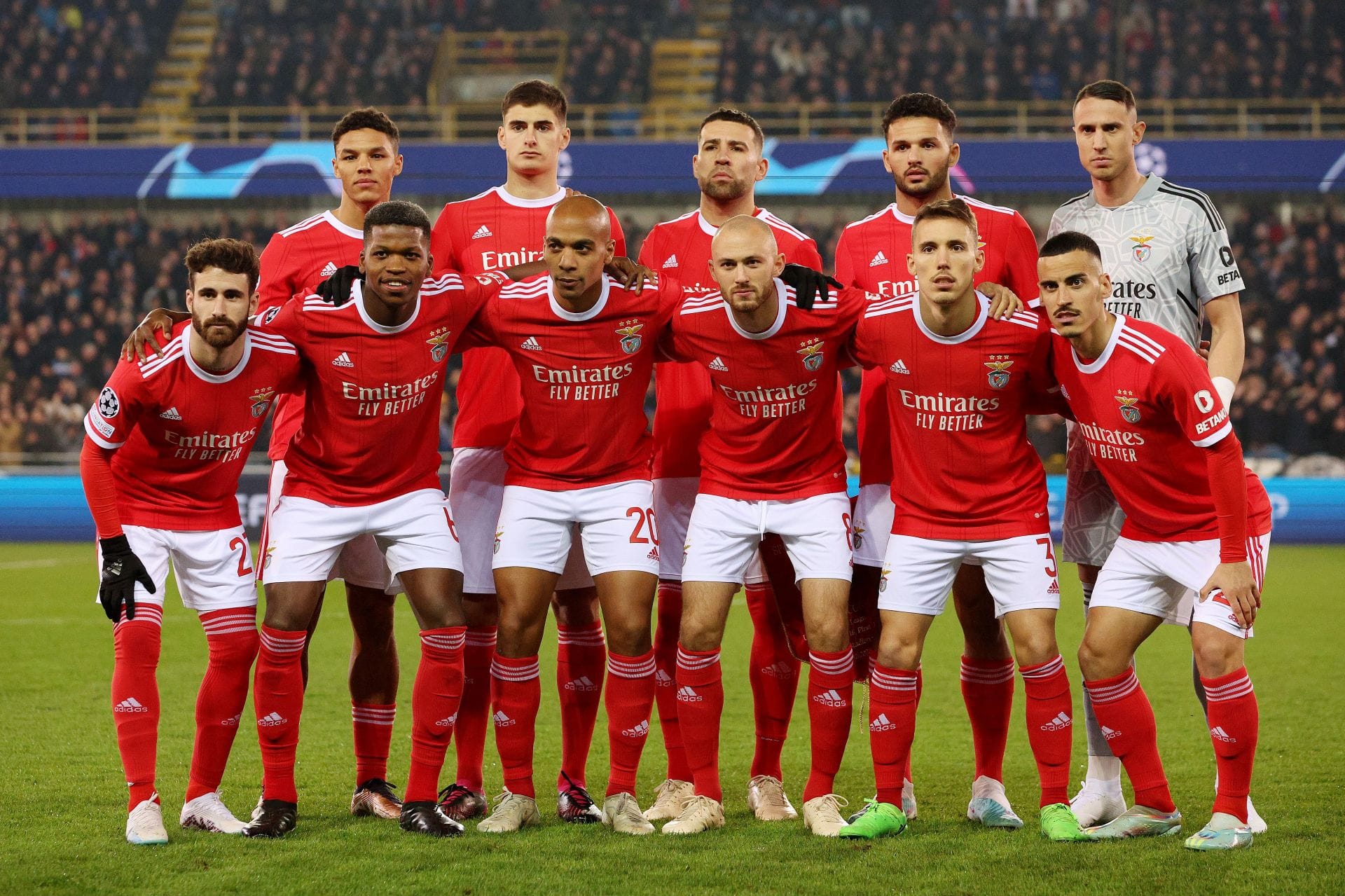
The atmosphere at the Estádio da Luz is often described as electric, a cauldron of noise where history and expectation collide. For SL Benfica, the Champions League is not merely a tournament; it is the ultimate yardstick of their standing among Europe’s elite. Every season, the ‘Eagles’ embark on a journey hoping to soar past the group stages and disrupt the hierarchy of the continent’s wealthiest clubs.
This season’s campaign was a rollercoaster of emotions, characterized by tactical gambles, moments of individual brilliance, and the harsh reality of elite-level football. As we review Benfica’s Champions League standings, we must look beyond the mere points tally. We need to dissect the narrative arc that defined their European adventure, understanding how a club with such a rich pedigree navigated the treacherous waters of the group stages.
For fans and pundits alike, analyzing the standings requires context. It involves looking at the strength of the opposition, the nuances of home and away form, and the pivotal moments that turned draws into losses or defeats into victories. This review provides a comprehensive breakdown of Benfica’s performance, offering insights into what went right, what went wrong, and what the future holds for the Portuguese giants.
The Weight of Expectation: Entering the Competition
Benfica entered the Champions League with the weight of two historic European Cups on their shoulders and a fanbase that demands excellence. Following a domestic campaign that showcased their attacking flair, the expectations were high. The objective was clear: secure a top-two finish in the group standings and progress to the lucrative knockout rounds.
However, the Champions League draw is rarely kind. Placed in a group that demanded tactical flexibility, Benfica faced opponents capable of punishing the slightest error. The pre-tournament analysis suggested that while Benfica had the talent to progress, the margin for error would be razor-thin. The initial standings projection was optimistic, but football is played on grass, not on paper.
Recruitment played a massive role in these expectations. The integration of experienced veterans alongside the club’s famed academy graduates created a squad that looked balanced. Yet, the question remained: could this blend of youth and experience withstand the high-intensity pressure of mid-week European fixtures while maintaining dominance in the domestic league?
Analyzing the Group Stage Standings
The early matchdays were a harsh wake-up call. In the Champions League, momentum is everything, and a slow start can be fatal to a team’s standing. Benfica found themselves chasing the pack early on, dropping points in fixtures that many designated as ‘must-win’. This immediate deficit placed immense pressure on the squad, forcing them to treat subsequent group games as cup finals.
Looking at the progression of the table, we saw a team struggling to find its identity against high-pressing opponents. The midfield battles were intense, and often, the transition from defense to attack—usually a staple of Benfica’s game—was stifled. These early tactical stumbles were reflected grimly in the standings, leaving the Eagles at the bottom looking up.
Key Statistical Drop-offs: Early in the campaign, the possession statistics were healthy, but the ‘Expected Goals’ (xG) against actual goals scored told a story of profligacy. Conversely, defensive errors were punished with ruthless efficiency by opponents, damaging the goal difference—a crucial tie-breaker in tight groups.
The Turning Point: Tactical Adjustments
Midway through the group stage, the narrative began to shift. The coaching staff, recognizing that the initial approach was leaving the backline exposed, implemented crucial tactical adjustments. The focus shifted from pure possession to a more pragmatic, direct style of play. This change was essential in stabilizing the ship and clawing back respectability in the standings.
The introduction of high-energy pressing triggers allowed Benfica to disrupt their opponents’ rhythm. Matches that previously looked like certain defeats turned into competitive battles. This resilience is a hallmark of the club’s DNA. The players began to show the fight required to wear the red shirt, and the points started to trickle in, albeit perhaps too late for the ultimate prize.
One cannot discuss the season review without highlighting the individual brilliance that kept hopes alive. Whether it was a veteran winger producing a moment of magic or a young goalkeeper making a string of world-class saves, individual quality often masked collective deficiencies. These moments were pivotal in ensuring that Benfica remained competitive in the standings until the final whistle of the group stage.
Home vs. Away: A Tale of Two Teams
A critical aspect of Benfica’s Champions League standings was the disparity between their home and away form. At the Estádio da Luz, the team played with an extra man—the crowd. The intensity at home often overwhelmed opponents, leading to crucial points that bolstered their position.
Conversely, the away form was a significant Achilles’ heel. In the hostile environments of European away days, the team often looked disjointed. The inability to control the tempo in foreign stadiums resulted in dropped points that ultimately defined their final standing. To become a true European powerhouse, bridging this gap between home dominance and away resilience is the next necessary evolution.
The Impact of Injuries and Squad Depth
Squad depth is tested ruthlessly in the Champions League. Throughout the six group games, injuries to key personnel forced the manager to rotate the squad, often fielding players with limited European experience. This lack of continuity in the starting XI made it difficult to build the chemistry needed to break down stubborn defenses.
The drop in quality from the first team to the bench was evident in the latter stages of matches. When fresh legs were needed to chase a game or secure a lead, the impact from the substitutes was inconsistent. This depth issue directly correlated with points lost in the final 15 minutes of matches, severely impacting the final group standings.
The Final Verdict: Europa League Salvation?
As the dust settled on the group stage, the final standings painted a picture of ‘what could have been.’ While the primary goal of the knockout stages might have slipped away, securing a spot in the Europa League is often seen as a consolation prize worth fighting for. It offers a continued European journey and a genuine chance at silverware.
Finishing third in a competitive Champions League group is no small feat, though it is rarely the ambition of a club of Benfica’s stature. However, context is key. Recovering from a disastrous start to salvage a European spot demonstrates character. It allows the team to reset, recalibrate, and attack a competition where they have historically performed well.
From a financial and coefficient perspective, maintaining a presence in Europe post-Christmas is vital. It ensures continued revenue streams and keeps the club’s coefficient ranking healthy, which is crucial for future seedings. Therefore, while the Champions League standings were disappointing relative to the initial dream, the season is far from a total failure.
Conclusion: Lessons for the Future
Reviewing Benfica’s Champions League standings offers a blueprint for future success. The campaign highlighted the need for a more robust away strategy, the importance of clinical finishing, and the necessity of squad depth that can withstand the rigors of a dual campaign.
The passion of the fans remains undiminished. They understand that in football, the margins are fine. A post hitting the inside of the woodwork rather than bouncing out can change the complexion of an entire season. Benfica has the infrastructure, the talent, and the history to return stronger.
The road ahead is clear. The lessons learned from this season’s standings must be internalized. With smart recruitment in the upcoming windows and tactical evolution, SL Benfica will undoubtedly return to the Champions League not just to participate, but to compete for the highest honors. The eagle will fly high again.

Real Madrid’s Relentless Pursuit: Can They Conquer the Champions League Again?
UCL Standings: Which Teams Are Defying Expectations This Season?

Conquer the Chaos: Your Ultimate Guide to Predicting the Champions League Final Path
About The Author
