The Mourinho Effect: How He Revolutionized Champions League Football
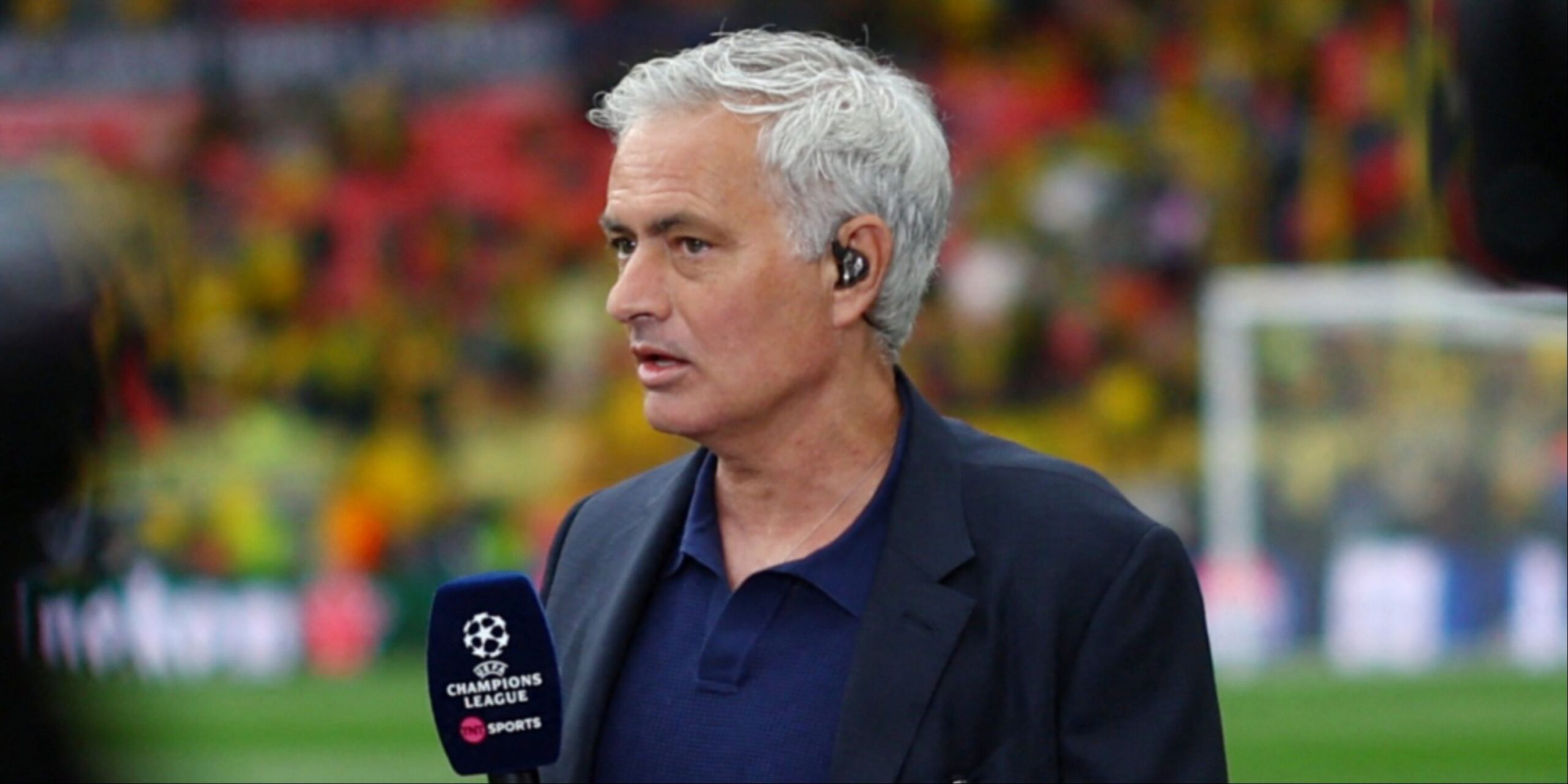
José Mourinho. The name alone evokes images of tactical masterclasses, touchline theatrics, and, above all, winning. But beyond the headlines and controversies, Mourinho’s influence on the Champions League is undeniable. He didn’t just participate; he fundamentally reshaped the landscape of the competition. This is the story of that revolution.
The Porto Miracle (2003/2004): A Tactical Earthquake
Before Mourinho, Porto were hardly Champions League heavyweights. But in 2004, he orchestrated a seismic upset, leading them to victory with a blend of tactical innovation and unwavering belief. This triumph wasn’t just a win; it was a statement.
Tactical Rigidity vs. Pragmatic Flexibility: Mourinho’s Porto weren’t about beautiful football; they were about effective football. He implemented a defensively solid, counter-attacking system that exploited the weaknesses of their more fancied opponents. This pragmatic approach challenged the prevailing notion that Champions League success required attacking flair.
The Rise of the Defensive Midfield Maestro: Players like Costinha became synonymous with Mourinho’s tactical philosophy. Shielding the defense, breaking up play, and launching quick counter-attacks were their hallmarks. This emphasis on defensive midfield prowess became a template for future Champions League contenders.
Chelsea’s Ascendancy (2004-2007): Redefining Expectations
Mourinho’s arrival at Chelsea heralded a new era of spending and ambition in English football. He didn’t just aim to win the Premier League; he set his sights on conquering Europe.
Building a Fortress: Mourinho transformed Chelsea into a defensive juggernaut. John Terry, Ricardo Carvalho, and Petr Čech formed an impenetrable barrier, setting a new standard for defensive solidity in the Champions League. This defensive foundation allowed Chelsea to control games and frustrate opponents.
The Importance of a Strong Spine: Mourinho understood the importance of a strong spine in his team. From goalkeeper to striker, he built a core of world-class players who could perform consistently at the highest level. This emphasis on a solid foundation became a key ingredient in Chelsea’s Champions League campaigns.
Inter Milan’s Triumph (2009/2010): The Masterclass in Pragmatism
Many consider Inter Milan’s 2010 Champions League victory as Mourinho’s tactical masterpiece. Facing a Barcelona side widely regarded as the best in the world, he devised a plan that stifled their attacking brilliance and secured a historic treble.
Disrupting the Tiki-Taka: Mourinho’s Inter didn’t try to outplay Barcelona at their own game. Instead, they disrupted their rhythm, pressed them relentlessly, and exploited their defensive vulnerabilities. This tactical approach proved that even the most dominant teams could be beaten with the right strategy.
The Art of Defensive Organization: Inter’s defensive performance against Barcelona in the semi-final was a masterclass in organization and discipline. They defended deep, closed down space, and denied Barcelona’s attackers any room to operate. This defensive resilience was crucial to their success.
Counter-Attacking Prowess: Inter’s ability to transition quickly from defense to attack was another key factor in their victory. Players like Wesley Sneijder and Diego Milito were lethal on the counter, punishing Barcelona’s high defensive line.
Real Madrid’s Pursuit of ‘La Decima’ (2010-2013): A Near Miss
Mourinho’s time at Real Madrid was defined by the relentless pursuit of ‘La Decima’ – their tenth Champions League title. While he didn’t achieve that ultimate goal, he brought Real Madrid back to the forefront of European football.
Breaking Barcelona’s Dominance: Mourinho ended Barcelona’s stranglehold on Spanish football, winning La Liga in 2012. This victory proved that Real Madrid could compete with the best and set the stage for future Champions League success.
Instilling a Winning Mentality: Mourinho instilled a winning mentality at Real Madrid, demanding excellence from his players and fostering a culture of competition. This mentality helped Real Madrid to consistently challenge for titles and compete at the highest level.
The Rise of Cristiano Ronaldo: Mourinho played a key role in the development of Cristiano Ronaldo into one of the greatest players of all time. He gave Ronaldo the freedom to express himself on the pitch and helped him to become a more complete and effective player.
Beyond Tactics: The Psychology of Winning
Mourinho’s impact extends beyond tactical innovations. He’s a master of psychology, using mind games and motivational techniques to gain an edge over his opponents.
The Art of Distraction: Mourinho is known for his ability to deflect pressure from his players by creating controversies and engaging in mind games with his rivals. This allows his players to focus on the task at hand without being burdened by external pressure.
Creating a ‘Us vs. Them’ Mentality: Mourinho often creates a sense of ‘us vs. them’ within his teams, fostering a strong bond between players and making them more determined to fight for each other. This siege mentality can be a powerful motivator, especially in high-pressure situations.
Belief and Confidence: Mourinho instills unwavering belief and confidence in his players. He convinces them that they are capable of anything, which empowers them to perform at their best. This confidence can be contagious, spreading throughout the team and creating a winning atmosphere.
The Legacy: A Lasting Influence
José Mourinho’s influence on the Champions League is undeniable. He has inspired a generation of coaches, challenged tactical conventions, and redefined what it takes to win at the highest level.
The Emphasis on Tactical Flexibility: Mourinho’s success has demonstrated the importance of tactical flexibility in the Champions League. Teams need to be able to adapt their approach to suit different opponents and situations. This has led to a greater emphasis on tactical preparation and analysis.
The Value of Defensive Solidity: Mourinho has shown that defensive solidity is essential for Champions League success. Teams need to be able to defend effectively as a unit and deny their opponents scoring opportunities. This has led to a greater emphasis on defensive organization and discipline.
The Importance of a Strong Mentality: Mourinho has highlighted the importance of a strong mentality in the Champions League. Teams need to be mentally tough, resilient, and able to handle pressure. This has led to a greater emphasis on sports psychology and mental training.
In conclusion, José Mourinho’s impact on Champions League football is profound and lasting. His tactical innovations, psychological mastery, and unwavering belief have reshaped the competition and inspired a generation of coaches and players. Whether you admire him or despise him, there’s no denying that he’s a true legend of the game.
Mourinho’s journey through the Champions League is a testament to his adaptability and relentless pursuit of victory. From the unexpected triumph with Porto to the tactical masterclass with Inter Milan, he has consistently defied expectations and challenged the status quo. His influence extends beyond the trophies; he has instilled a winning mentality in his teams and redefined the art of management.
As the Champions League continues to evolve, Mourinho’s legacy will endure. His emphasis on tactical flexibility, defensive solidity, and mental fortitude will continue to shape the strategies and approaches of teams vying for European glory. He is a reminder that in the world of football, tactical brilliance and unwavering self-belief can conquer even the most formidable challenges.
The ‘Mourinho Effect’ is not just about winning; it’s about transforming the game. He has forced teams to adapt, coaches to innovate, and fans to appreciate the multifaceted nature of football. His impact will continue to reverberate throughout the Champions League for years to come.
Real Madrid’s UCL Dynasty: Unlocking the Secrets to Their Unrivaled European Dominance
Kings of Europe: Detailed Breakdown of Every Real Madrid UCL Fixture 2024/25
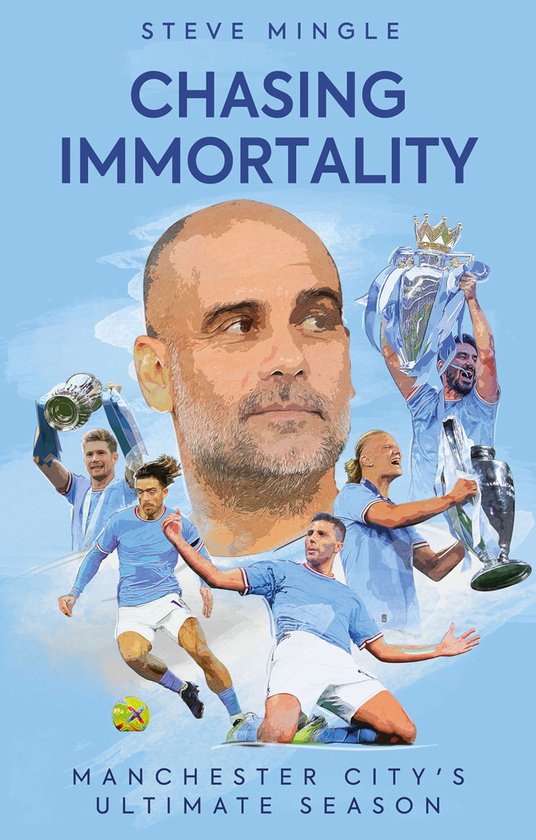
Chasing Immortality: The Complete Guide to the UEFA Champions League Road to Glory
About The Author
