UCL Draw: Unveiling Potential Shockers and Crafting Dream Matchups
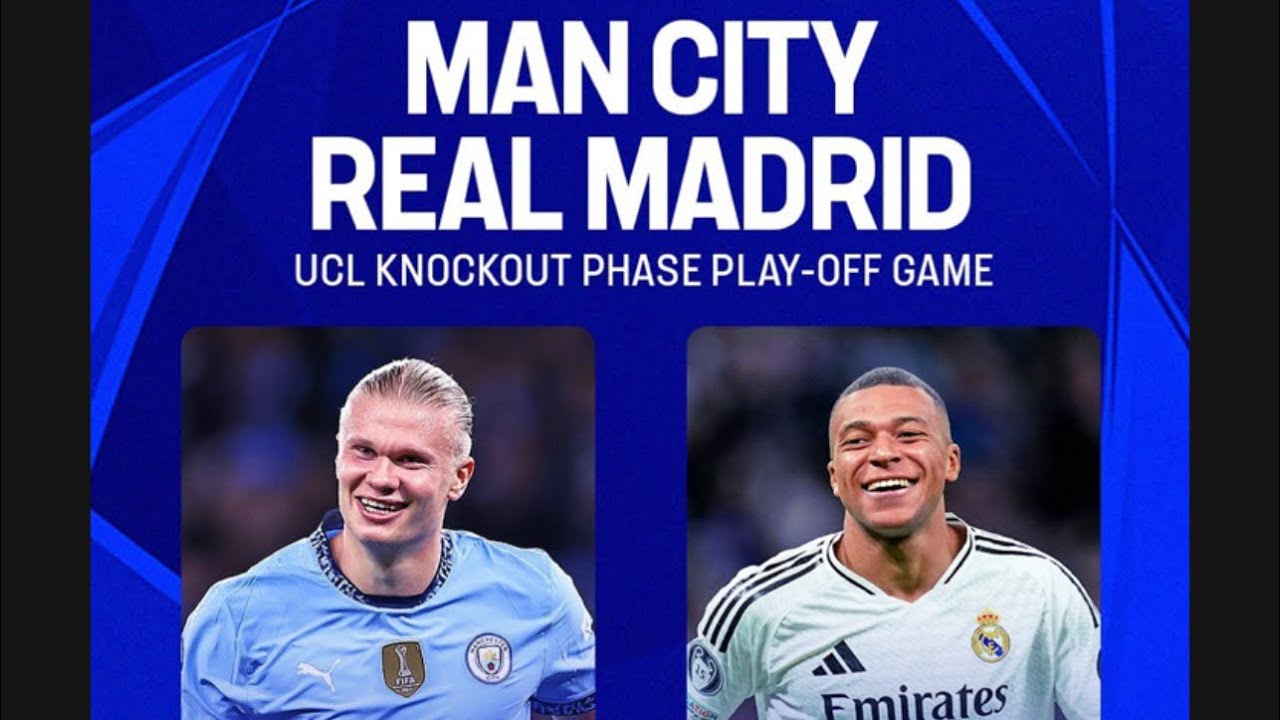
The air crackles with anticipation. As the draw for the UEFA Champions League knockout stages looms, football fans worldwide hold their breath, their minds buzzing with a kaleidoscope of potential encounters. This isn’t just about who plays whom; it’s about the narratives that will unfold, the underdog stories waiting to be written, and the dream matchups that could etch themselves into Champions League folklore. The procedural ballet of drawing balls from pots holds the power to ignite passions, spark debates, and set the stage for unforgettable drama.
Every year, the Champions League draw is a masterclass in controlled chaos. While seeding and group stage performance dictate much, there’s always an element of the unpredictable, a ghost in the machine that can conjure up fixtures that leave us gasping. We’re not just talking about the giants facing off, though that’s always a headline grabber. We’re also talking about the ‘giant killers’ – those resilient teams who, against all odds, can send a pre-tournament favorite packing.
Let’s set the scene. Imagine a scenario where a team that scraped through their group, perhaps through sheer grit and a bit of luck, finds themselves drawn against a continental powerhouse. The odds are stacked against them, the pundits write them off before a ball is kicked, but the dream is alive. This is the magic of the UCL draw – the possibility that David can, indeed, slay Goliath.
The Shadow of the Underdog: Potential Shockers on the Horizon
Consider the teams that have historically punched above their weight. Ajax’s fairy tale run in 2019, Lyon’s resilience, or even Porto’s consistent ability to defy expectations. These are the teams that thrive on the underdog tag. The draw, for them, is an opportunity to seize the spotlight and prove their mettle on the grandest stage.
Crafting the Dream Ties: When Titans Collide
On the flip side, the draw also gifts us with the encounters that make our hearts race. These are the ‘dream matchups’ – fixtures that football purists and casual fans alike eagerly anticipate. Think of historical rivalries reignited, tactical masterclasses waiting to unfold, and a sheer concentration of world-class talent on display.
A clash between two of Europe’s most decorated clubs, perhaps a ‘Clásico’ between Real Madrid and Barcelona if they were ever to meet in Europe under specific circumstances, or a battle of Premier League titans like Liverpool vs. Manchester City. These are the games that transcend the competition itself, becoming global sporting events.
The tactical implications of such ties are immense. How does Pep Guardiola’s intricate possession play fare against Jürgen Klopp’s gegenpressing? Can Carlo Ancelotti’s experience and adaptability outwit a system built on relentless attacking verve? The draw doesn’t just pit teams against each other; it pits philosophies, strategies, and managerial genius against one another.
Navigating the Draw Mechanics: Seeds of Fate
Understanding the draw mechanics is crucial to appreciating the potential outcomes. Pot 1 teams, having won their groups, generally face Pot 2 teams, who finished second. There are also restrictions, such as teams from the same national association not being drawn against each other in the early knockout rounds. These rules, while necessary, add layers to the anticipation.
The ‘unseeded’ teams, those finishing second in their groups, often hold the keys to creating the most intriguing ties. They are the ones more likely to be paired with the group winners, potentially leading to those blockbuster clashes or, conversely, offering a more favorable path for a top seed if they avoid the biggest threats.
The ceremonial aspect of the draw itself is a spectacle. The ambassadors, the former legends picking the balls, the hushed tones as names are read out – it all builds to a crescendo. Each ball drawn represents a new chapter, a new set of possibilities, and a new narrative arc for the tournament.
Historical Echoes and Future Narratives
The history of the Champions League is littered with iconic draws that led to legendary encounters. Who can forget the draws that pitted fierce rivals against each other, or those that set up unexpected underdog runs? These past events shape our expectations for the future.
We often look back at previous draws and wonder ‘what if?’. What if Team X had been drawn against Team Y instead of Team Z? Would the outcome have been different? The draw is a powerful catalyst, not just for the immediate future, but for the ongoing story of European club football.
The draw is also a moment of immense pressure for the clubs involved. While fans dream, managers and players are analyzing potential opponents, identifying strengths and weaknesses, and formulating strategies. A ‘good’ draw can provide a psychological boost, while a ‘difficult’ one demands immediate focus and resilience.
The Psychological Game: Fear and Favoritism
The psychological aspect of the draw cannot be overstated. For teams that harbor genuine ambitions of winning the trophy, avoiding certain opponents in the early rounds can be a significant advantage. Conversely, drawing a perceived weaker opponent can breed complacency if not managed correctly.
Conversely, for the ‘underdogs’, the draw can be a source of immense motivation. Facing a giant isn’t just a test; it’s an opportunity to make a statement, to gain global recognition, and to write their names in the history books. The fear of failure is replaced by the exhilaration of the challenge.
Managers often speak of ‘respecting every opponent’. While true, the draw inevitably leads to a hierarchy of perceived threats. The media, the fans, and even the bookmakers quickly establish who is the favorite and who is the outsider in each potential tie. This narrative begins the moment the balls are drawn.
Analyzing Potential Knockout Scenarios
Let’s indulge in some speculation. If Manchester City, a dominant force, were to be drawn against a resilient Atletico Madrid, we’d anticipate a fascinating tactical battle. City’s possession and attacking fluidity against Atletico’s famed defensive organization and counter-attacking threat. It’s a chess match on grass.
Or consider a clash between the youthful exuberance of Borussia Dortmund and the seasoned campaigners of Juventus. Dortmund’s high-energy pressing versus Juventus’s experienced, pragmatic approach. Who blinks first? The draw dictates these intriguing possibilities.
What about a tie that promises goals galore? Perhaps an attacking juggernaut like PSG facing an equally potent attack like that of Liverpool (in their prime Klopp era). The draw could set up a breathless encounter where defensive frailties are exposed, leading to an end-to-end thriller.
The Unforeseen Twists: When the Draw Defies Logic
Sometimes, the draw throws up pairings that seem almost illogical, yet they often produce the most compelling narratives. A tie between two teams with contrasting styles but similar levels of perceived strength can be incredibly difficult to predict. These are the fixtures where individual brilliance or a moment of magic can decide the outcome.
The draw is a constant reminder that in football, anything is possible. The narrative we construct beforehand is merely a prediction, a hypothesis. The reality on the pitch, fueled by the drama of the draw, often surpasses our wildest imaginations.
Ultimately, the UCL draw is more than just a logistical exercise. It’s the ignition switch for the next phase of Europe’s premier club competition. It sets the stage for heroes to emerge, for giants to be slain, and for dream matchups to become unforgettable realities. We eagerly await the moment the balls start rolling, ready to embrace the shockers and celebrate the dream ties.
The beauty of the Champions League draw lies in its inherent unpredictability. While the established giants often hold the upper hand, the draw itself can be a great equalizer, presenting daunting challenges or unexpected opportunities. It’s this blend of calculated seeding and sheer chance that keeps fans glued to their screens.
From the perspective of a club aiming for glory, a ‘favorable’ draw can be a significant confidence booster, potentially easing their path to later rounds. However, overconfidence can be a pitfall, and many a favorite has stumbled against a less heralded opponent drawn by chance.
The media and fan narratives surrounding a draw are also crucial. A ‘dream tie’ generates immense buzz, ticket demand, and media coverage, adding another layer of pressure and excitement. Conversely, a perceived ‘mismatch’ might receive less attention initially, only for the underdog to seize the spotlight.
Conclusion: The Enduring Allure of the UCL Draw
As the dust settles after the draw, the talking points begin. Debates rage online, in pubs, and in living rooms across the globe. Who got lucky? Who faces an uphill battle? Which ties promise tactical genius, and which are destined for pure, unadulterated drama? The draw has done its job, setting the stage for the next act.
The UEFA Champions League draw is a cornerstone of the footballing calendar, a moment where potential becomes palpable. It gifts us the tantalizing prospect of seismic upsets and the electrifying reality of showdowns between Europe’s elite. Whether you’re rooting for the underdog to cause a stir or yearning to see your favorite giants lock horns, the draw promises drama, passion, and unforgettable footballing moments. Brace yourselves; the road to glory is about to get even more interesting.
Anatoliy Trubin: The Ukrainian Shot-Stopper Dominating the Champions League Stage
Unlocking the Gates: Your Definitive Guide to Champions League Qualification in 2026’s New Era

Anatoliy Trubin: Benfica’s Rising Goalkeeping Sensation You Can’t Ignore
About The Author
